
You receive a quote 15% below your current supplier. The sample goes on the test bench and the voltage and current figures are all within spec, so you sign for 1,000 units. Eight weeks later the workshops start returning them: noise after installation, undercharging, battery warning lights.
The arithmetic is unforgiving: the saving does not cover half the after-sales cost. This is the most common loss path in automotive replacement parts — betting a whole batch on one sample. What follows is an evaluation method built on four dimensions: components, factory testing, batch consistency and verifiable quality evidence.
In short
Judge a 12V alternator on six components, multi-speed test records, AQL sampling and written warranty — not on one sample that passed. The cheapest quote usually loses the account eight weeks later, when early failures cost more than the unit saving.
1. Why a Lower Purchase Price Can Cost More After the Sale
Price and quality correlate only loosely. Two suppliers quoting the same OE number can differ on purchasing scale, production efficiency, component sourcing or quality-control spending. A discount auto parts quote can reflect scale rather than corner-cutting; a premium one can reflect brand markup. Neither tells you about reliability — cheap auto parts are not automatically bad, and expensive ones are not automatically safe.
B2B purchasing has to look at the total account. Illustrative figures:
| Item | Amount (illustrative) |
|---|---|
| Unit saving: USD 3 × 1,000 units | +USD 3,000 |
| Early failure rate 6% — 60 units affected | — |
| Cost per claim: replacement + two-way freight + labour + warranty admin ≈ USD 80 | −USD 4,800 |
| Net result | −USD 1,800 |
And that excludes the hardest cost to quantify: workshops that switch suppliers after repeated failures, and retailers that stop reordering.
Before comparing prices, ask three questions. How is the product tested? How are batches managed? What happens when a quality problem occurs? A low price that cannot answer those three will be paid back with interest.
2. Six Components That Decide Alternator Reliability
A 12V alternator is an assembly, and reliability — and alternator lifespan — is decided at component level. Each item below comes with the question to put to the supplier; these get more useful answers than "is your quality good?".
Bearings
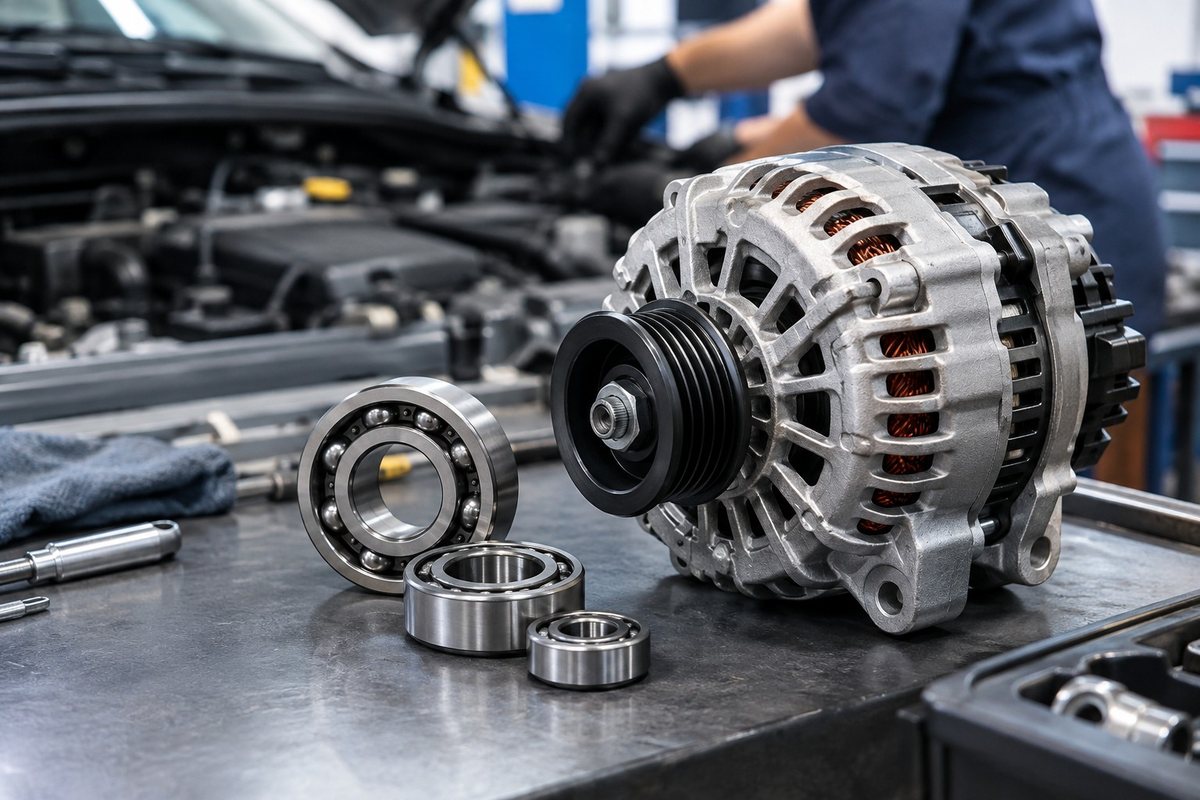
Bearings carry the rotor, so grade, lubrication, sealing and assembly decide how the unit runs. Defective bearings or poor lubrication show up as noise, vibration, heat and rotational drag — among the most frequent warranty returns. Ask which brand or grade, whether double-sealed, whether every unit is checked for noise, vibration and drag with records, and whether a trial order can include a 200–500 hour bench durability sample.
Rectifier
The rectifier converts AC to DC; under-specified diodes or poor connections cause output faults, overheating and eventual failure. Ask whether the rectifier regulator assembly is rated for the model's output and how it is cooled, and whether the alternator test covers rectified output at specified speed and load.
Voltage Regulator
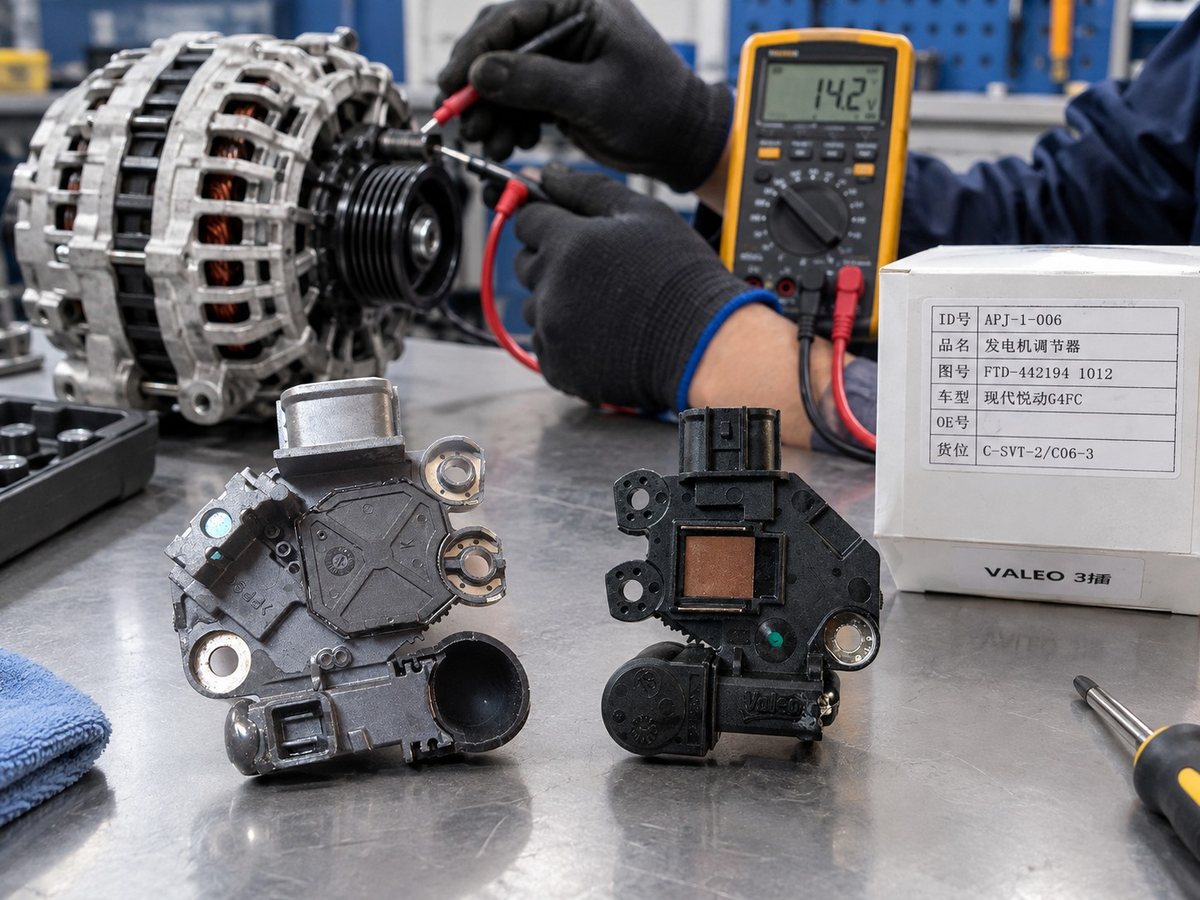
The regulator holds charging voltage inside the range the vehicle expects — typically 13.8–14.8V at room temperature, depending on charging strategy. Get it wrong and you damage the battery and electronics, not the alternator; claims then run far beyond the unit price. Modern Toyota, VW and Ford models increasingly use LIN-controlled or smart-charging automotive voltage regulator designs, so an alternator output voltage reading proves there is output, not that regulation or communication is correct. Ask how regulation and protocol are validated for the model, and whether OE application data comes with it.
Rotor and Stator
Winding quality, insulation, material grade and process decide conversion efficiency and heat behaviour. Insulation faults and poor connections cause output anomalies and temperature rise, a common root of early failure. Ask whether winding insulation and electrical performance are inspected, and whether the checks apply to that exact alternator stator specification.
Brushes and Slip Rings
Brushes and slip rings are the main contact path and a high-frequency service item. Brush length, spring pressure and ring surface decide conduction stability; degradation shows as intermittent charging, contact noise or open circuit. Ask for the alternator brush material and design life in hours, and whether outgoing inspection covers brush length and ring condition.
Overrunning Pulley (OAP/OAD)
VW TDI, Ford and recent Toyota models widely use overrunning clutch pulleys to damp belt vibration and protect the drive. Two purchase risks follow: the wrong pulley — groove count 6PK/8PK, diameter, clutch direction — will not fit, and a failed clutch produces noise that mimics a bearing fault, triggering a second repair. Ask whether fitment data is pulley-specific, whether it is checked at final inspection, and whether the supplier has OAP tools and function-test capability. Our guide to alternator pulley types covers the fixed, OAP and OAD variants.
No single component check proves long-term reliability. Component quality has to be read together with assembly testing, process control and warranty data.
3. Factory Testing: What It Proves and What It Does Not
"100% tested" is not a specification. It does not say which items were tested, at what speed and load, against which limit — and it does not mean durability was validated.
Electrical Performance
ISO 8854 describes test methods and general requirements for alternators with rectifiers. A proper alternator test runs several speed points — for example 1,500, 3,000 and 6,000 rpm — at defined loads and judges each against the model's output curve: voltage inside range, current at the rated stock alternator output for that speed and load, regulation and communication functioning, no other electrical anomalies. When comparing supplier data, confirm conditions, limits and equipment match; similar numbers under different conditions mean nothing. If you need to check a unit before it ever reaches a bench report, this is how to test an alternator with a multimeter.
Mechanical Running Check
It catches noise, obvious vibration, stiffness and some assembly faults. A short run only proves nothing was found under those conditions; it does not rule out bearing fatigue. Pair the per-unit alternator inspection record with a stated bearing grade and a durability sample.
Visual and Assembly Check
Final inspection should cover brackets, mounting holes, pulley, connector, terminals and housing. On US full-size applications — a high amp alternator for an F-150 or Silverado, commonly 130–160A, or a 200 amp alternator for a truck build — small differences in bracket hole position or plug type produce returns. These items drive wrong-shipment rate, return rate and dead stock. For the higher-current builds, our high output alternator guide sets out what changes beyond the rating.
Durability Evidence
Ask for durability and temperature-rise reports where they exist. Results depend on profile, duration, load and environment; passing a test still needs warranty data behind it.
4. Sample Approval Is Not Batch Approval
Mass production adds variables: component supply changes, material batch differences, assembly variation, inspection discipline. For import parts programmes, that is where the risk concentrates.
Three questions must be answered:
- Is production built to the same specification as the sample? Model, components and configuration identical; any change written down and re-validated.
- Is there a stable inspection process for repeat orders? A good first batch proves nothing about the next one; require written inspection requirements in production, not only in sampling.
- Can a problem be traced? Batch marking linked to production and inspection records is what lets you bound the issue, find the cause and correct it.
Two risk tools belong in the contract. AQL outgoing inspection per ISO 2859-1 — general inspection level II, AQL 1.0–2.5 by product positioning — with accept and reject rules; and the right to third-party inspection by SGS, TÜV, Intertek or Bureau Veritas before shipment. A supplier who accepts third-party inspection is signalling confidence. For long-term lines, review return and warranty-claim rates on a schedule and let quality data, not the quotation, drive the next order.
5. Quality Evidence to Request Before Ordering
Instead of asking whether quality is good, ask questions that produce documents.
| Item | What to request | Purpose |
|---|---|---|
| Specification | OE cross-reference, spec sheet with voltage, current and speed points | Reduce wrong-fitment risk |
| Certification | ISO 9001 / IATF 16949 certificate number, body, expiry — verifiable online | Gauge the quality system |
| Electrical | Test record and acceptance limits for the model | Confirm performance |
| Mechanical state | Per-unit running inspection record | See inspection coverage |
| Key components | Specification and sourcing control for the six components | Understand component risk |
| Outgoing inspection | AQL plan; acceptance of third-party inspection | Control batch consistency |
| Traceability | Batch ID linked to inspection records | Enable investigation |
| Warranty | Written terms, claim process, response time | Cost the after-sales risk |
Not every supplier can provide everything; match the requirement to positioning and order size. What matters more than document count is whether the supplier can explain its process, show evidence tied to the actual product, and describe an exception path.
Branded product: verify authorization, supply source and model application data, and be specific about auto part brands rather than accepting a label. Knowing whether the unit is a rebuilt versus remanufactured alternator belongs in the same conversation. Unlabelled custom units: pin down the agreed specification, component requirements, inspection standard and batch control.
Red flags: a price well below market with no explanation; "100% tested" with no conditions or limits; no batch marking, or records that cannot be matched to a batch; refusal of third-party inspection; verbal-only warranty; certificate numbers that fail verification; premium samples and a quiet configuration change in production — the most hidden and the most damaging.
6. A Seven-Step Purchase Process
- Confirm fitment and specification: OE number, voltage and current, mounting dimensions, pulley and plug type, down to model, year and engine. Corolla, Camry and Hilux map to Denso specifications; Golf and Passat to Bosch or Valeo; F-150 and Silverado to US high-output ranges. Verify every cross-reference — see OE number and cross-reference verification.
- Evaluate the sample and record it: model, test conditions, results, findings. No impressions.
- Place a trial order sized so that a failure is survivable, and test quality and lead time on a real order.
- Agree the outgoing inspection plan, with AQL and third-party rights written into the contract.
- Confirm production inspection and batch control: requirements, record retention, traceability path.
- Put warranty and exception handling in writing: term, claim evidence, failure analysis, remedies.
- Review quality data regularly, and let return and claim rates decide whether you scale or switch.
7. FAQ
Is "100% tested" enough?
No. It states neither the items, nor the conditions, nor the limits. Ask for the model's test record and standard, then check multi-speed output and regulation.
ISO 9001 or IATF 16949?
ISO 9001 is a general quality system; IATF 16949 is automotive-specific and far stricter on process control, traceability and improvement. For alternator supply, IATF 16949 is the stronger signal.
Can I arrange third-party inspection before shipment?
Yes, and you should. SGS, TÜV, Intertek and Bureau Veritas all run AQL sampling. A refusal is itself a data point.
What if mass production differs from the sample?
Prevent rather than litigate. Write "the approved sample specification is the acceptance basis" into the contract, together with outgoing inspection and the handling of rejected batches.
Is there still a market for 12V alternators?
Yes. Most combustion and hybrid vehicles still run a 12V system, and the ageing fleet in export markets supports replacement demand for years.
8. Final Thoughts
For an aftermarket auto parts wholesale distributor, quality cannot be judged from a quotation, a photo or a test claim. Bearings, rectifier, regulator, rotor and stator, brushes and the clutch pulley decide how the unit performs; a disciplined multi-speed alternator testing routine filters most defects; AQL sampling, batch traceability and periodic review contain batch risk; written warranty locks in the after-sales cost.
The competitive purchase is not the cheapest alternator, but the one that keeps repeat repairs, returns and lost customers at the lowest total cost.
About FuZhiHui Auto Parts: 20 years in alternators; authorized supplier to Valeo, SEG and JHAEM with documentation on request; 10,000+ part numbers; 1,000+ m² stocking warehouse; exports to more than ten countries. Engineering review on every order; test records, batch data and third-party inspection can be arranged per order.
Related parts
Units from our range. Send an OE number and we will check fitment before quoting.
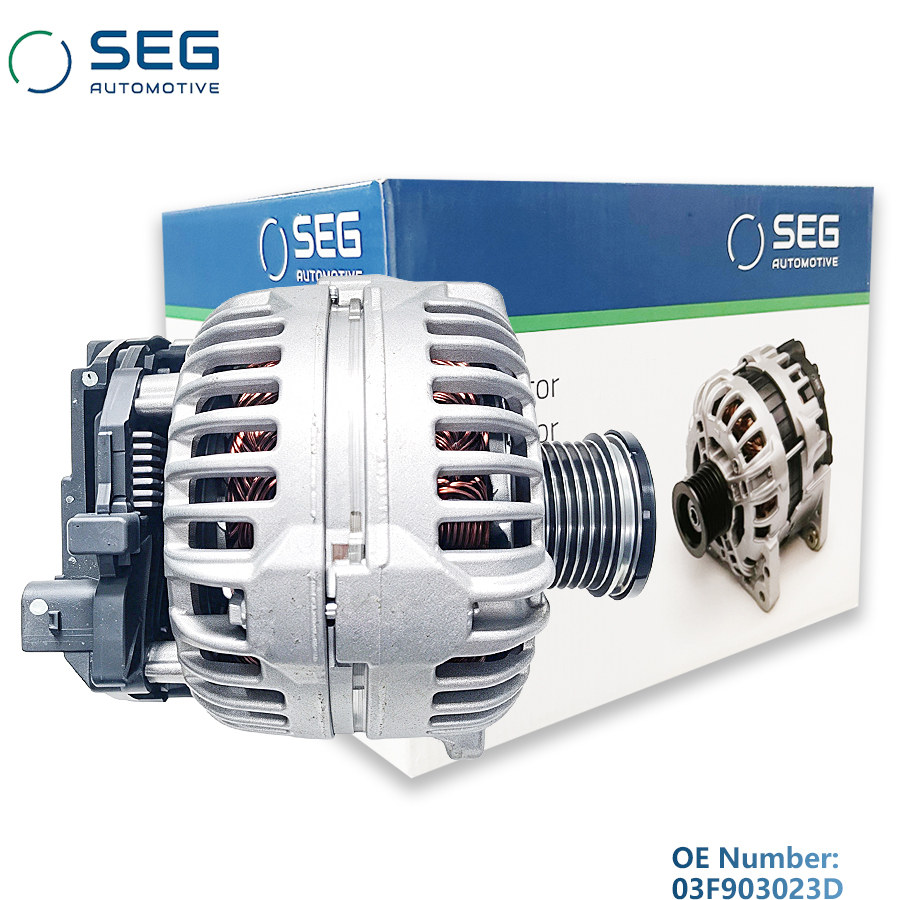 SEG Alternator 12V for Volkswagen Beetle 1.2 TSI Repair (03F903023D)
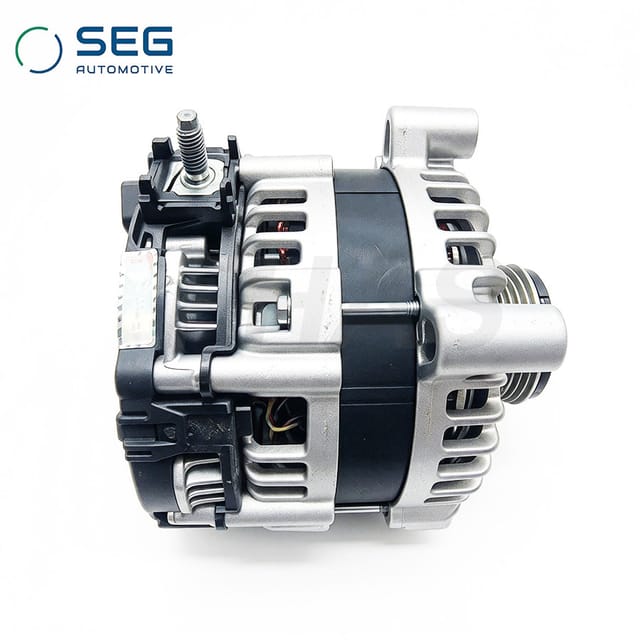 SEG Alternator 12V for B-Class W247 2020 Repair (A0009063509)
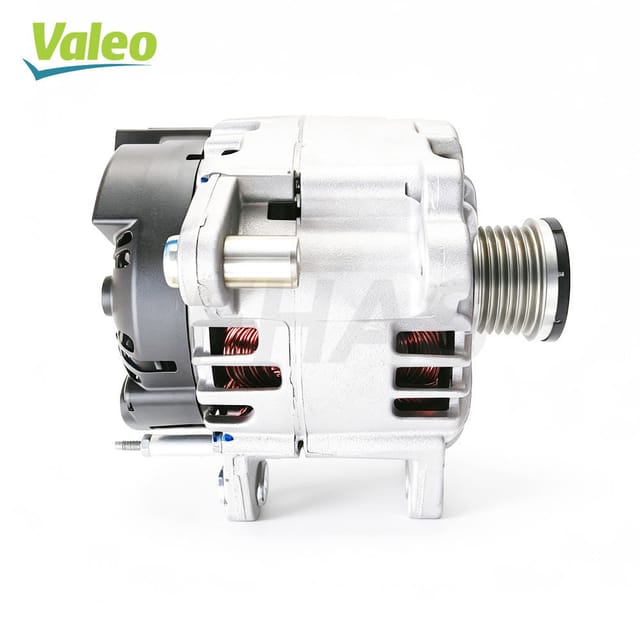 Valeo Alternator 12V 140A for VW Bora / Audi (03C903023A)
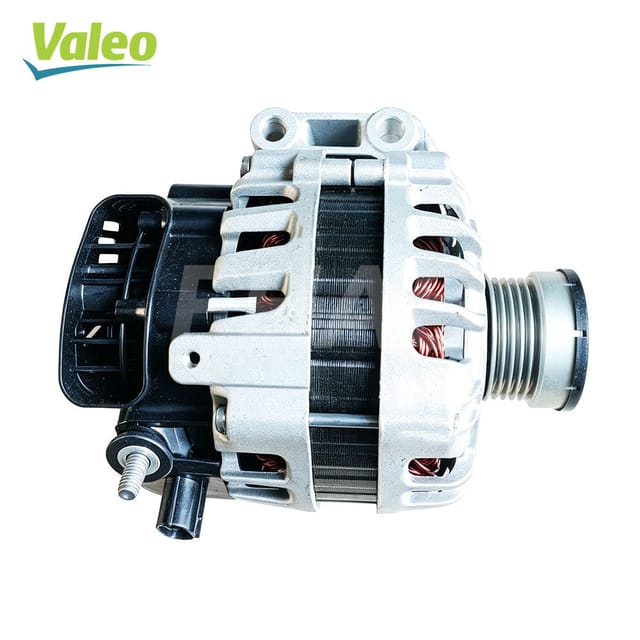 Valeo Alternator 12V 120A for Roewe (10106157)
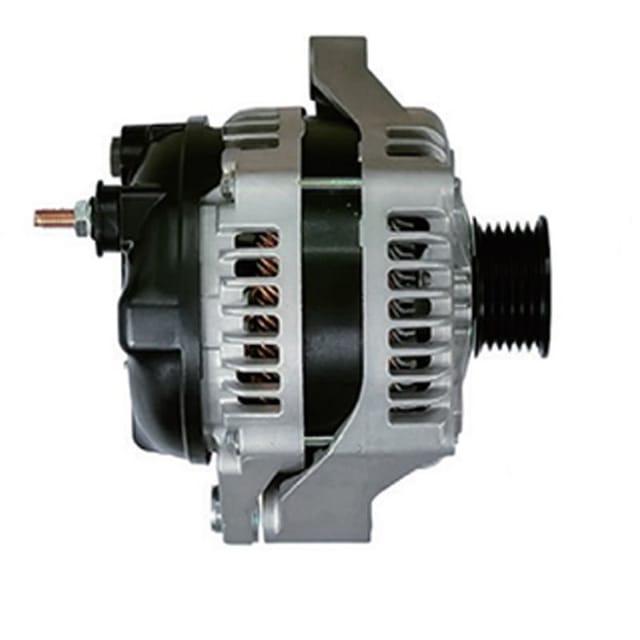 Alternator 12V 150A for Maserati 4.2 / 4.7 (104210-3960)
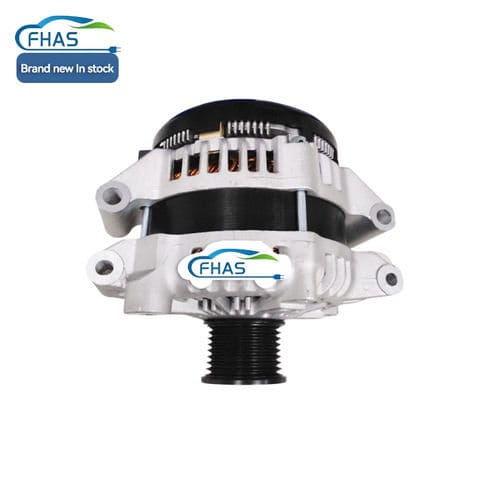 JHAEM Alternator 12V 210A for BMW 523 / 528 / X3 3.0
Have a part number to price?
Send it over with the quantity and destination. You will get a fitment check, a unit price and a freight cost — usually the same business day.