
This article is written for the moment after the diagnosis: the dead alternator is on the bench, and the decision is what happens next. It is about what a rebuild can and cannot restore, what remanufacturing actually includes, and how to choose among rebuild, remanufactured, and new. The reader with a failed unit in hand — a workshop, a fleet, a rebuilder sourcing parts — is weighing a rebuild alternator decision against buying complete.
In short
A rebuild renews the parts that failed. A remanufactured unit is stripped to a bare housing, every wear component replaced, and tested to specification before it ships. A new unit skips the history entirely. The right choice depends on what failed, what the housing looks like, and what the vehicle demands.
What a Rebuild Actually Restores
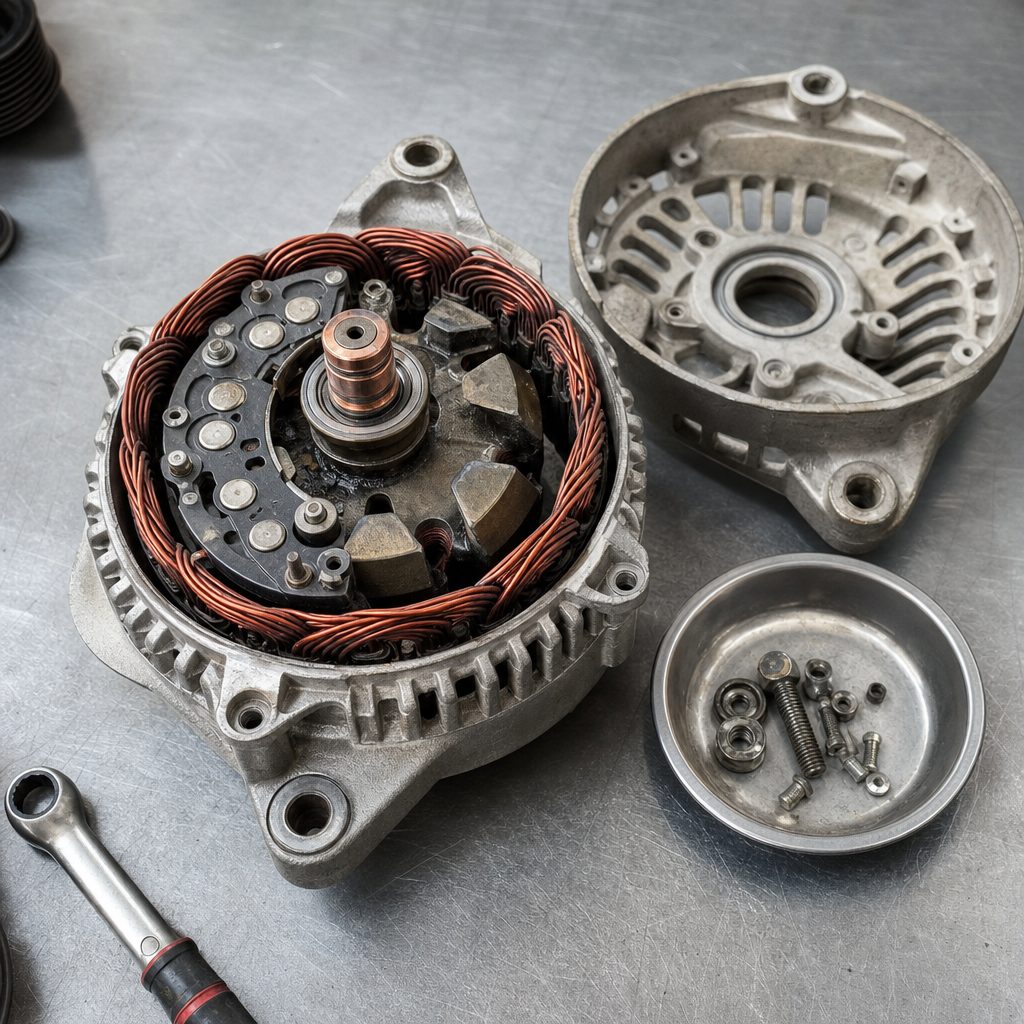
A rebuild renews the components that wear in service: bearings, brushes, and commonly the regulator, plus the rectifier where the fault says it failed. What it does not renew is everything else — the rotor and stator windings, the housing, the slip rings unless they are cleaned or turned. A competent rebuild therefore restores the parts that fail from use, while the parts that fail from age or overload (windings shorted by heat, a cracked housing) either were fine or condemn the core. That is the honest scope of an alternator rebuild, and it is why the inspection step decides more than the parts list.
The classic wear sequence explains the scope. Brushes wear down to their springs and stop pressing; the electrical contact fails and output drops or flickers. Bearings dry out and rumble long before they seize. The regulator drifts out of its window or dies outright. Each of these is a clean, replaceable failure — the machine is designed for it. The failure that is not replaceable is the winding: a stator cooked by sustained overload or a rotor shorted internally means the economics of a rebuild collapse, because the winding is the machine.
The diagnostic order before any rebuild is therefore fixed: spin the unit and listen (bearing noise announces itself), inspect the brushes and slip rings, test the rectifier diodes for forward and reverse behavior, and only then consider the regulator. That sequence — mechanical first, then wear surfaces, then semiconductors, then control — is how a professional alternator rebuilder decides whether the core is worth opening at all. Reversing the order wastes bench time on units that were condemned at step one.
The procedure phrased as a question — how to rebuild an alternator, how do you rebuild an alternator on a bench, or the shorthand how rebuild alternator work goes — is this same sequence, not a parts list. Each step is a gate: mechanical health before electrical work, and electrical verification before reassembly. The grammatical variants (how to rebuild alternator hardware, how to rebuild a alternator core) all describe one fixed procedure with a fixed order, and the order is the expertise.
Rebuild Kits and What They Contain
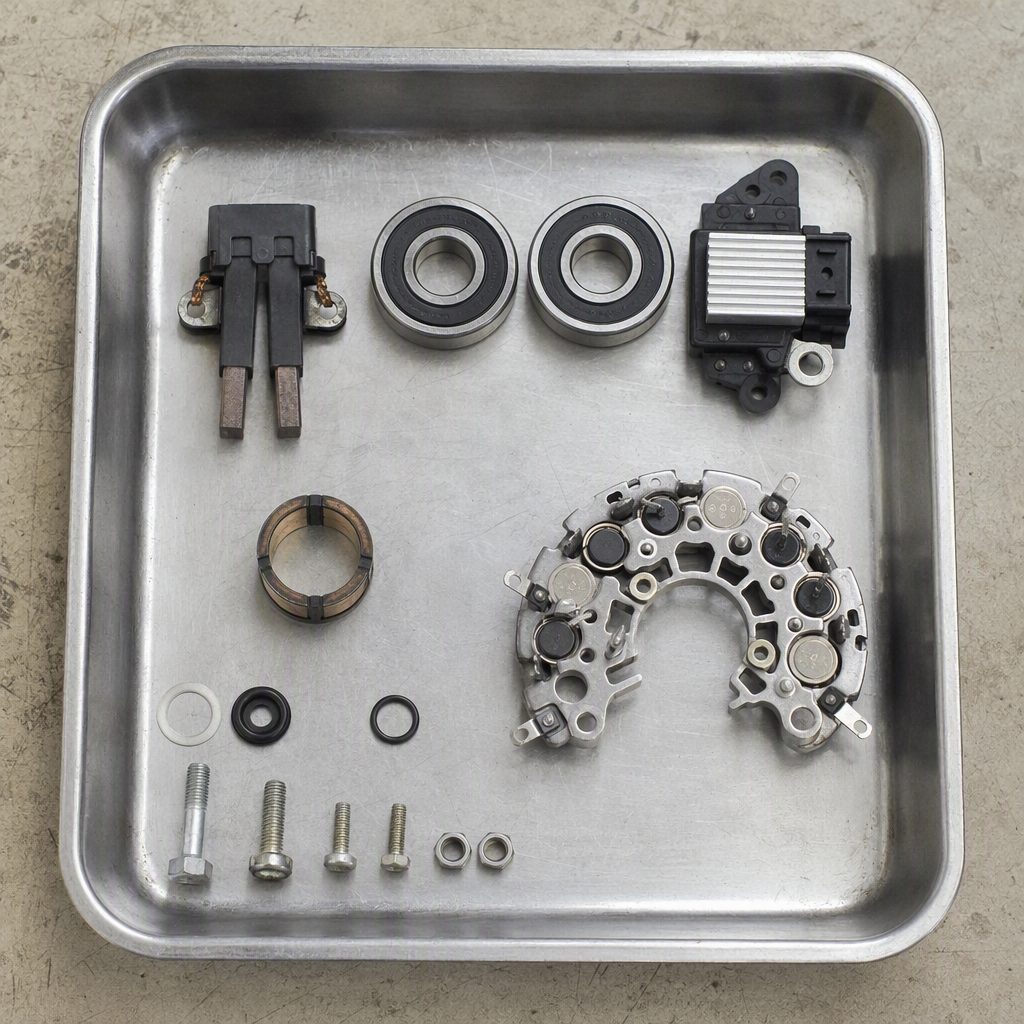
A rebuild alternator kit bundles the wear items in one box: bearings, brushes, sometimes the regulator and rectifier, and hardware. For the common machine families these kits are well-matched to the wear sequence above, which is why rebuilding an alternator with a kit is viable for workshops that service recognizable cores. Where kits run thin is coverage: a kit exists for the high-volume units, not for every variant, and a vehicle with an unusual regulator or connector layout may have no kit at all — in which case the parts have to be sourced individually or the unit replaced complete.
Two honest limits on kits deserve stating. First, a kit does not include the test equipment. After assembly, the unit needs to be run up and checked for output, regulator setpoint, and diode ripple on a bench tester; a rebuild that is not tested is a guess wearing new parts. Second, a kit cannot repair a core that is bad in ways the kit does not address — installing new bearings on a shorted stator produces a quiet unit that still does not charge. This is why experienced buyers treat the core inspection as the gate, and the kit as the consumables.
The vocabulary around kits is broader than the boxes. A rebuild alternator kit is sometimes listed as alternator rebuild kits, and a car alternator rebuild kit for a specific machine family is the same concept narrowed by fitment. What the naming does not change is the two limits above: the kit supplies the wear set, and the bench test supplies the proof. A kit bought without a plan to verify the finished unit is half a purchase.
For a buyer sourcing parts rather than labor, the calculus changes again: alternator rebuild parts wholesale exists as a trade precisely because rebuilders buy bearings and brushes in volume. A workshop rebuilding alternators and starters as a line of business buys kit contents at trade pricing and tests every finished unit; a one-off rebuild has no such amortization, which is the honest reason the one-off route suits enthusiasts and the volume route suits shops. The trade vocabulary reflects this: a starter alternator rebuild line covers both machine families together, an alternator starter rebuild program is the same thing phrased with the words swapped, and a firm advertising an alternator rebuild service or an alternator rebuilding service is selling tested output plus a warranty — the service being sold is the bench test as much as the parts. A car alternator rebuild for a fleet customer is sold on that same basis: specification, test, warranty.
Remanufactured: What the Word Should Mean
A remanufactured alternator is not a rebuilt one with better marketing. The proper process is: full teardown to a bare housing; inspection and machining of castings; replacement of bearings, brushes, regulator, and rectifier as a matter of course, not diagnosis; testing of rotors and stators electrically; reassembly; and a final test on a bench to the original output specification. The core difference from a rebuild is completeness: remanufacturing assumes nothing survives, verifies everything, and replaces the wear set unconditionally. A rebuilt unit renews what inspection flagged; a reman unit renews what the process mandates.
This is also where the buyer's leverage lives. A remanufactured unit should come with a stated test standard — output at a given rpm, regulator setpoint, diode test — and a warranty that means the specification, not just the shipping. A seller who cannot state what the unit was tested to is selling a repainted rebuild. For vehicle fleets this distinction is measurable: units remanufactured to specification fail at a fraction of the rate of quick-rebuild cores, because the failure modes that a reman process catches at teardown are precisely the ones that survive a parts-swap rebuild.
The core itself matters as much as the process. A remanufacturer working from original OEM cores — and there is a reason the trade distinguishes OEM-sourced cores from aftermarket lookalikes — starts with castings and windings built to the original drawing. Our own position in this trade is on the supply side of those cores and complete units: we supply OE-matched alternators and starters from Valeo, SEG, and Halla through official channels, and we move alternator and starter rebuild parts to the trade, so we see both routes daily. A rebuild decision made with a quality core is a different decision from one made with a worn-out lookalike.
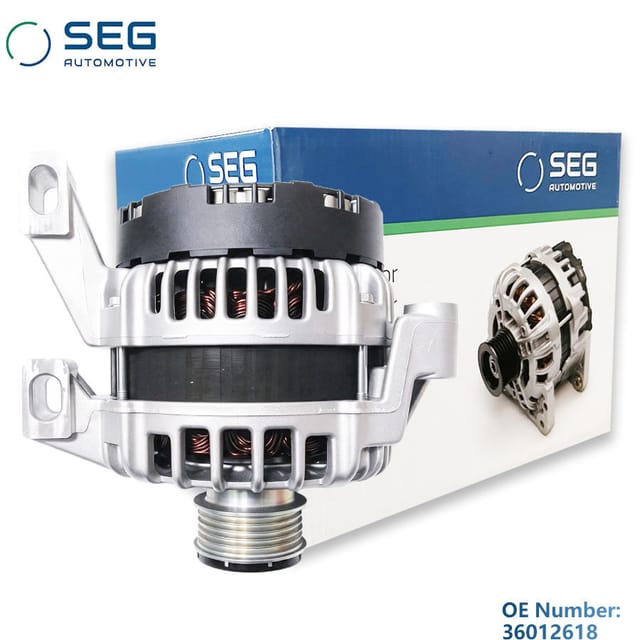
SEG Alternator 12V for Volvo F16 / F12 (36012618)
- OE / cross-reference: 36012618 · 31419555 · 36001105 · 31285627
- SEG brand line
- New condition · inspected before dispatch
PriceUS$173.99-179.99
Minimum order 2 pieces
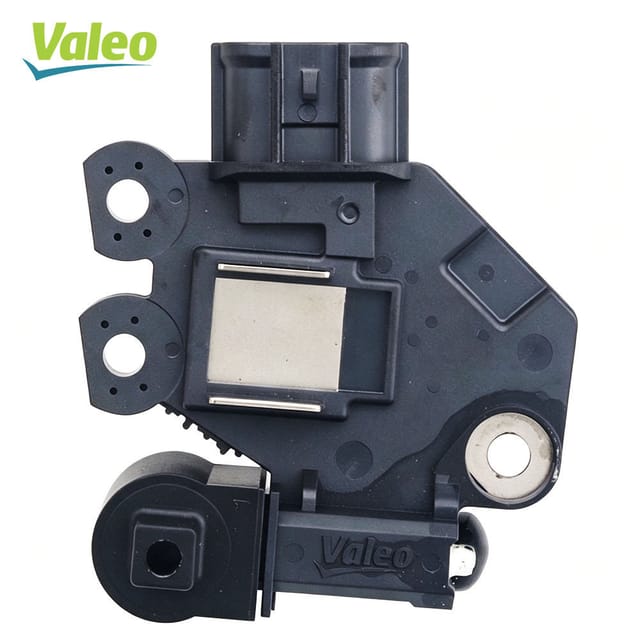
Valeo Voltage Regulator 12V for Hyundai / Kia (2614507)
- OE / cross-reference: 2614507 · 2612293 · 2614628 · 592092
- Valeo brand line
- New condition · inspected before dispatch
PriceUS$8.80–11.50
Minimum order 10 pieces
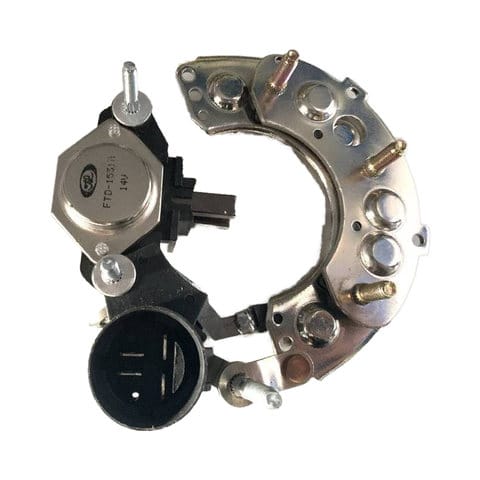
Alternator Rectifier FTD-1551A2 / FTD-49304 for Isuzu
- New condition · inspected before dispatch
PriceUS$9.67–11.06
Minimum order 10 pieces
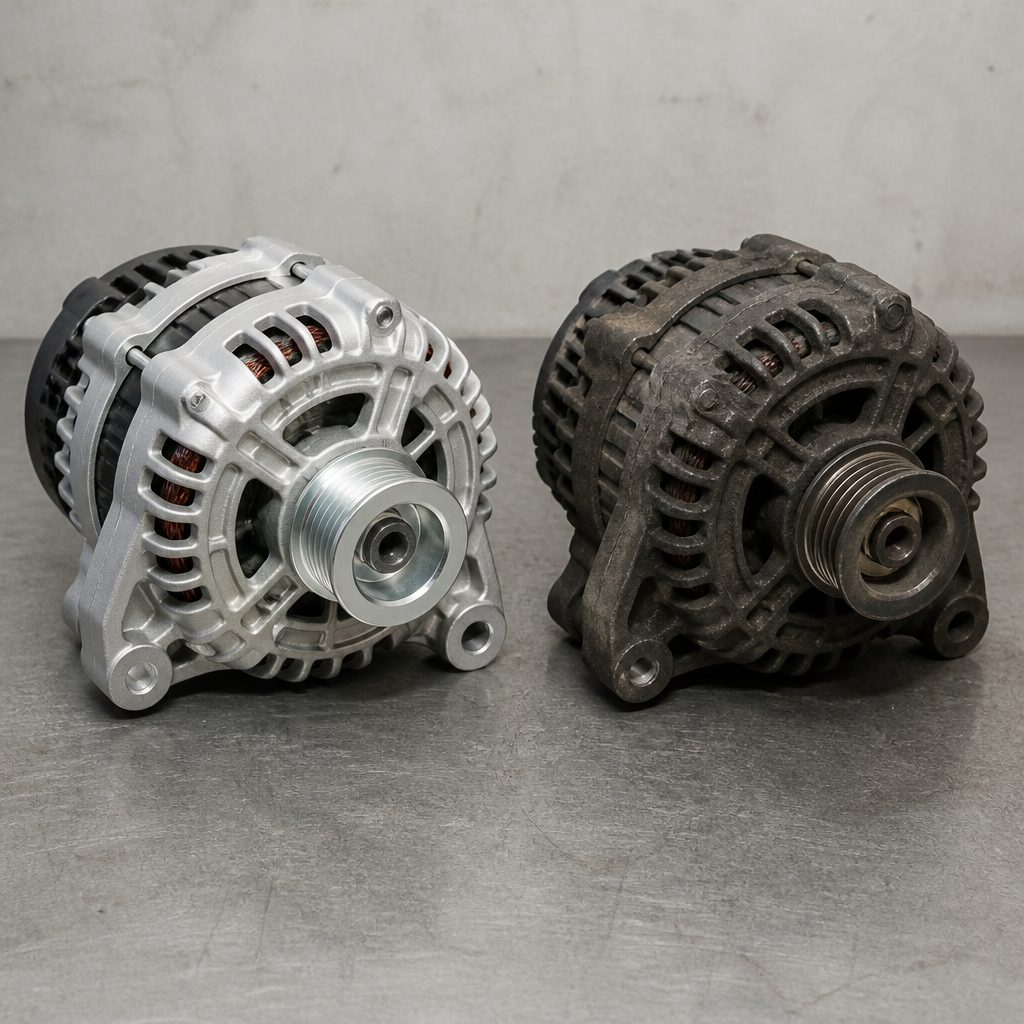
New Units: When History Is Worth Paying to Avoid
A new alternator removes the core question entirely. Every component is new, the specification is current production, and there is no hidden history in the windings. For vehicles with computer-managed charging the argument is stronger still: the regulator in a new unit matches the current software expectation, and there is no aged component to drift out of the window the engine computer expects.
The honest case against new is price and fitment lag — a new unit is the most expensive route, and for older or rarer vehicles a new unit may simply not exist in the market, which is exactly the gap reman and rebuild fill. The decision among rebuild, reman, and new resolves into three questions. What failed? (A wear failure on a sound core favors rebuild; anything touching the windings disqualifies it.) What is the vehicle? (Computer-managed charging favors new or reman with a stated test standard.) What is the duty? (A daily-driven commercial vehicle justifies the new-unit premium; a hobby vehicle used monthly may not.)
When a Rebuild Is the Wrong Answer
Three situations condemn the rebuild route regardless of parts quality. A core with electrical damage — burnt windings, a shorted rotor — is not rebuilt economically. A core from a machine with no kit coverage and no individual parts supply becomes a fabrication project. And a vehicle where the failure was not the alternator at all — the unit was replaced on a charging complaint that was actually a corroded ground or a slipping belt — will present the same complaint after the rebuild, because the fault was upstream. Rebuilding the second unit on the same vehicle without re-testing the loop is the classic double-loss.
The vehicle-specific phrasings — how to rebuild a car alternator, how to rebuild car alternator families without kit coverage, rebuilding alternator and starter cores for machines with no parts channel — meet this same gate. The question is never only whether the work can be done, but whether the core survives the inspection and whether the finished unit can be tested to specification. Where either answer is no, the rebuild route is the wrong answer, and the decision moves to remanufactured or new.
FAQ
Can you rebuild an alternator yourself?
Yes, if the core is sound, a kit exists for it, and you can test the finished unit. The parts replacement is straightforward hand work; the testing is what separates a rebuild from a guess. Without a bench tester to verify output and regulator setpoint, the honest route is to buy a unit that was tested before it shipped.
What is the difference between rebuilt and remanufactured?
A rebuild replaces what inspection flagged as worn. Remanufacturing strips the unit completely and replaces the wear set unconditionally, then tests to specification. A remanufactured unit is built to a standard; a rebuilt one is repaired to a diagnosis.
Is a remanufactured alternator as good as new?
For wear components, yes — they are new. The windings and castings carry history, which the reman process verifies rather than replaces. On vehicles with computer-managed charging, check that the reman unit's regulator version matches what the vehicle software expects; a mismatch there can cause charging complaints that no amount of parts quality will fix.
What typically fails inside an alternator?
In order of frequency: brushes worn to their springs, bearings dried and rumbling, regulators drifted or dead, and rectifier diodes failed short or open. Windings fail from heat and overload — when they do, the economics of repair usually end.
Are rebuild kits worth it?
For high-volume machine families with sound cores and access to a bench tester, yes. For one-off rebuilds without test equipment, the failure risk sits in the untested assembly. Buy kits for machines you can verify, not machines you can only reassemble.
Should I rebuild my starter at the same time?
If it is out for the same job and shows wear — slow crank, worn bushings, a fatigued solenoid — bundling the work saves the labor of a second removal. If it is healthy, leave it in service. Rebuilding on a schedule rather than on evidence spends money on parts that were not failing.
Related parts
Units from our range. Send an OE number and we will check fitment before quoting.
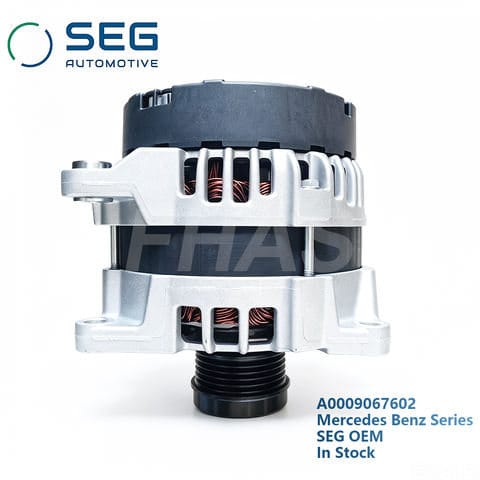 SEG Alternator 12V for Mercedes-Benz B200 W246 — 443394 / 20741N
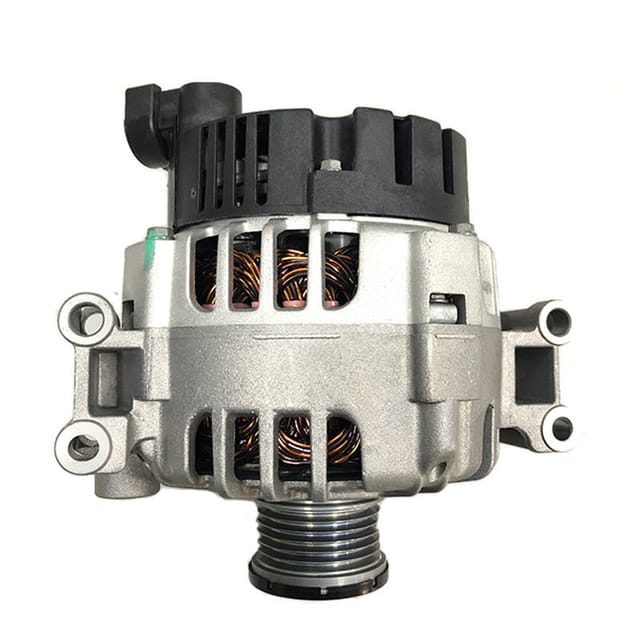 Alternator 14V 140A for BMW 318i E46 (439476)
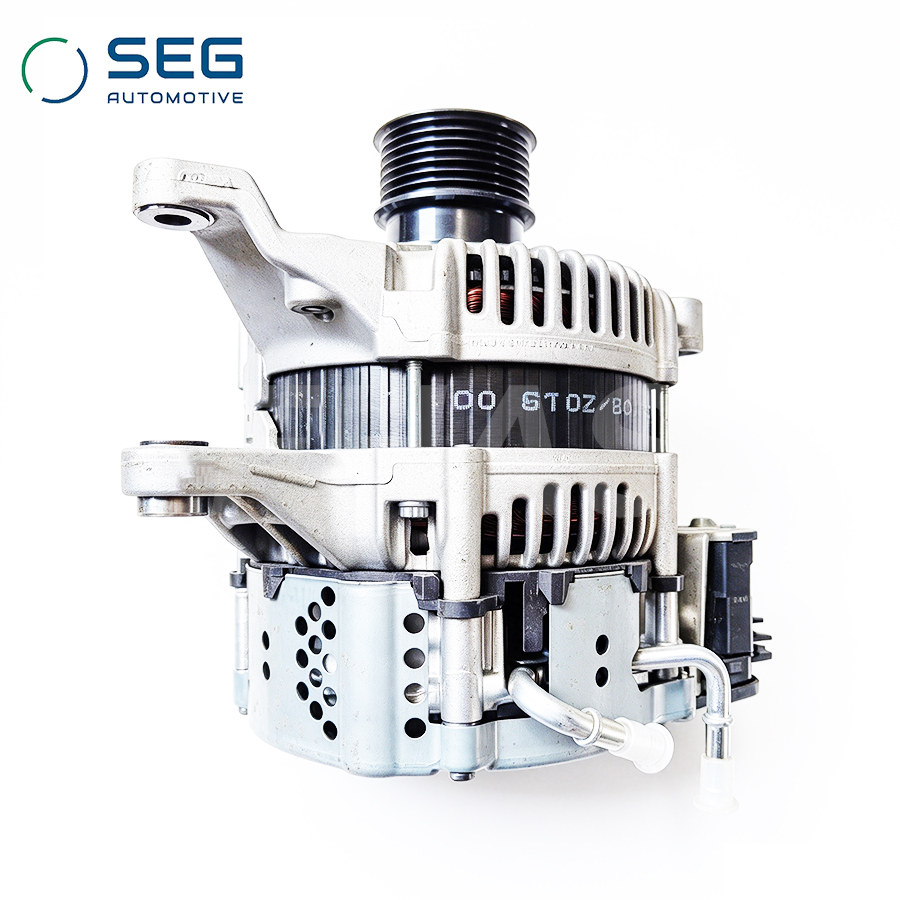 SEG Alternator 12V for Mercedes-Benz Mild Hybrid (A2649062300)
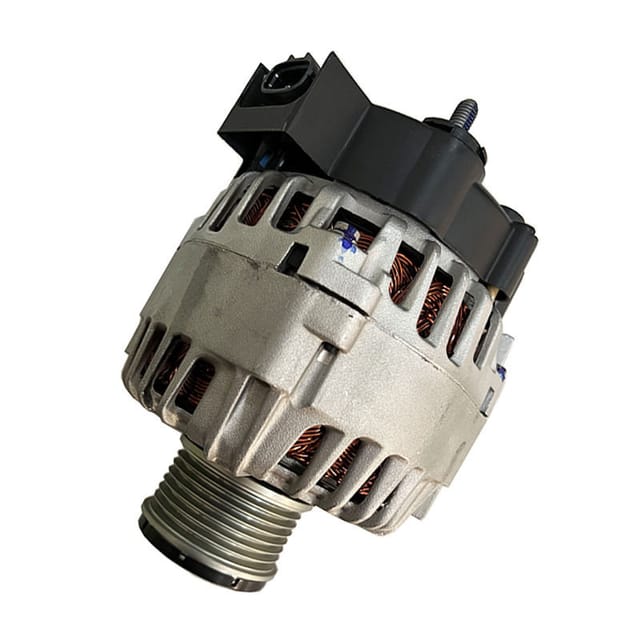 Alternator for Nissan Bluebird / Tiida / Sylphy 1.6 (FG12T101)
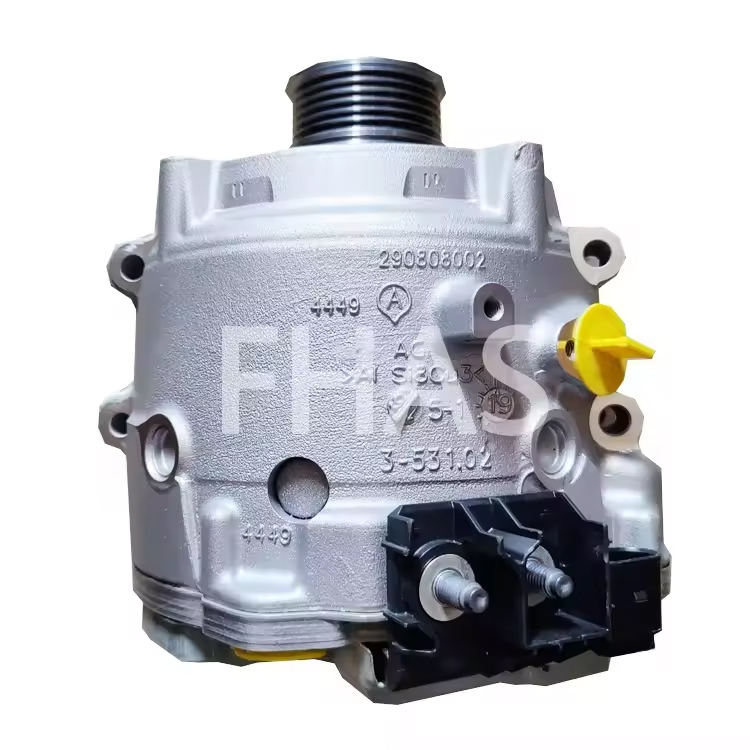 Continental Alternator 48V for Audi A6 / A7 / A8 / Q7 / Q8 gasoline — 4N0903028P
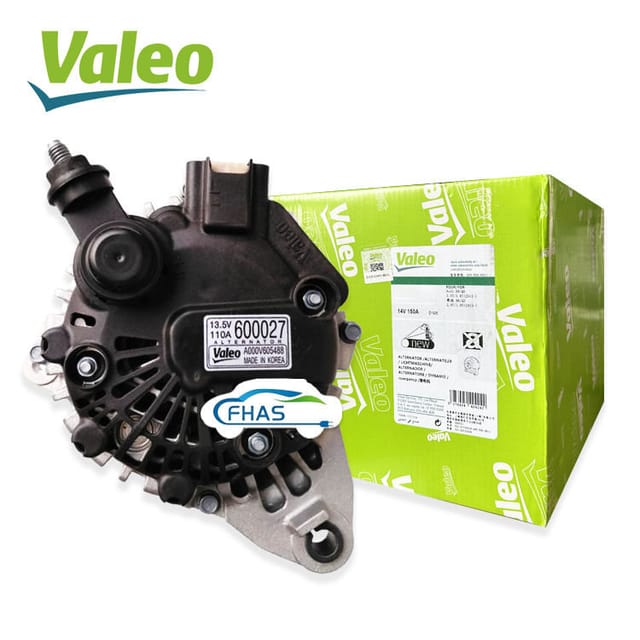 Valeo Alternator 12V 110A for Hyundai / Kia
Have a part number to price?
Send it over with the quantity and destination. You will get a fitment check, a unit price and a freight cost — usually the same business day.