
Two enquiries can land in the same week and ask for opposite things. One customer will take Valeo and nothing else. The other sends a column of OE numbers and two words: best price. If you stock only one of those answers, you hand half the market to a competitor.
The decision is not branded or unbranded. It is which mix fits the customers you already have — and that question has three parts: margin, operations and supplier capability.
In short
Stock both when your customers differ — brand-led lines protect accounts that name a brand, verified unbranded lines protect price and capital — and set the ratio from last year's order data, not from preference.
At a glance
The two are not substitutes. They serve different buyers, and most distributors end up carrying both.
| Branded product | Unbranded product | |
|---|---|---|
| Purchase cost | Higher | Lower |
| Margin percentage | Model-dependent, usually lower | Usually higher |
| Capital and turnover | Higher capital; speed depends on brand pull | Lower capital; usually faster |
| Customisation | None — brand packaging rules apply | High — neutral pack, labels, own brand |
| Fits | Workshops and retailers who specify a brand | Price-led buyers, own-brand operators |
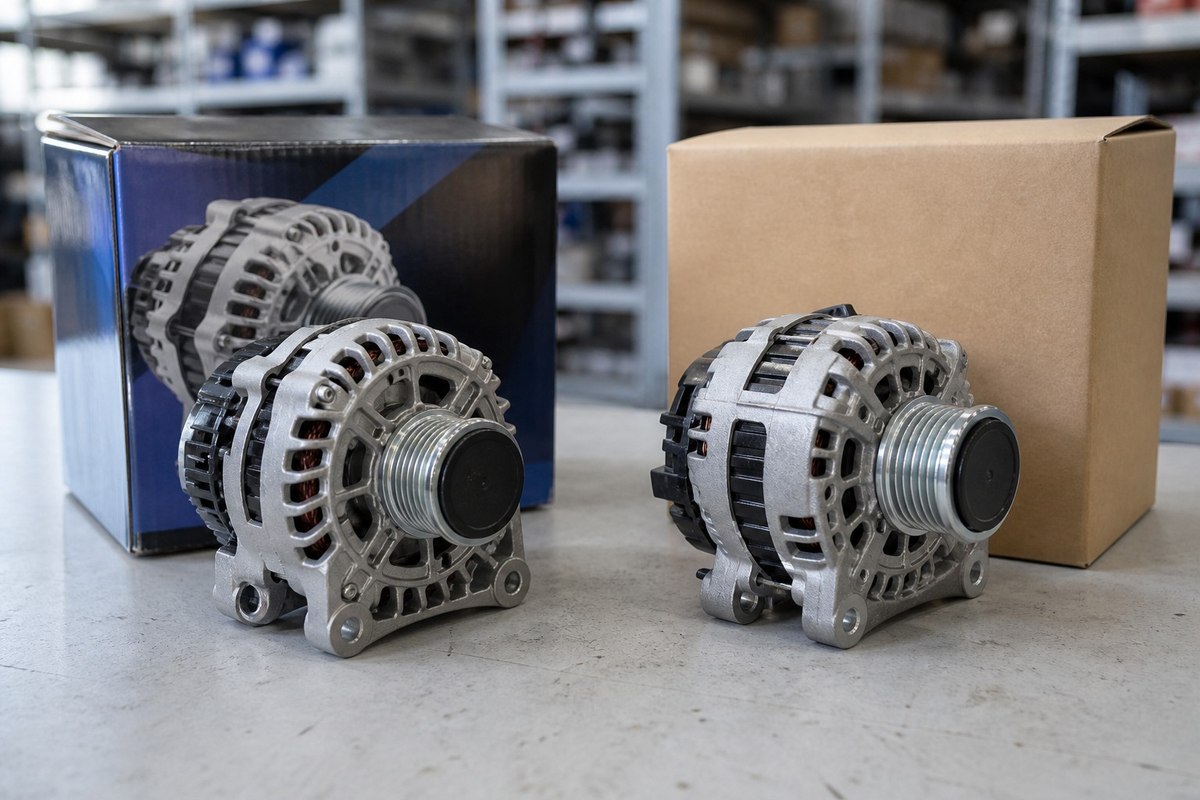
1. Branded alternators: serving demand that already exists
Brand recognition shortens the sale. Where a wholesaler has built a branded channel, downstream customers reorder by name, and switching them to a cheaper equivalent — even a good one — risks the account rather than saving it. Valeo, SEG and JHAEM lines exist to meet that demand, subject to what is actually available in each model.
Four situations where branded product earns its place
- An established branded channel. Long-standing brand business with steady downstream buyers that should not be disrupted.
- The end customer names the brand. Workshops or retailers specify it — an account that only buys Toyota genuine parts, or a garage that quotes by brand — so you stock to the requirement rather than your own preference.
- Brand familiarity in the market. Where local buyers know certain names, branded stock slots into existing channels faster.
- Lower selling cost. Your team already knows how to position the line; no re-education of the customer base.
Origin and compliance come before the logo
Origin is the first question when buying branded product abroad. Confirm that the supplier can provide documentation for the goods, the stock position and lead time for the specific model — not just the brand name — and check the trademark and parallel-import rules that apply in your market. Those rules differ by country, so verify them with the supplier and your customs broker before the order, not after.
A recognised name does not guarantee stock on every OE number, and it does not guarantee a workable margin on every one either. Verifying the model, the OE number and the paperwork is the basic discipline of branded buying.
2. Unbranded alternators: lower cost, wider margin
Not every buyer wants a name. In price-led markets the questions are narrower: does it work, is quality stable, is the fitment data accurate, is the price competitive. That is the commercial case for unbranded product — a large share of replacement aftermarket parts moves on exactly those terms.
Start with the point that gets lost in the argument: unbranded is not a quality grade. What decides whether a unit lasts is the bearings, rectifier, regulator, windings, assembly and testing. None of that changes because a logo is or is not printed on the carton.
Four situations where unbranded product fits
- Price-led markets. Buyers comparing cheap car parts online care about performance and price, not the name on the box.
- Bulk purchasing. Lower landed cost leaves room for a competitive resale price.
- Range extension. Adds a second price tier without duplicating the branded line.
- Own-brand plans. A route into private label, starting from neutral packaging.
For a distributor with a long-term plan, unbranded also buys flexibility: neutral pack to test the market, then labels, printed cartons and your own brand once the numbers are known.
What to verify before the first order
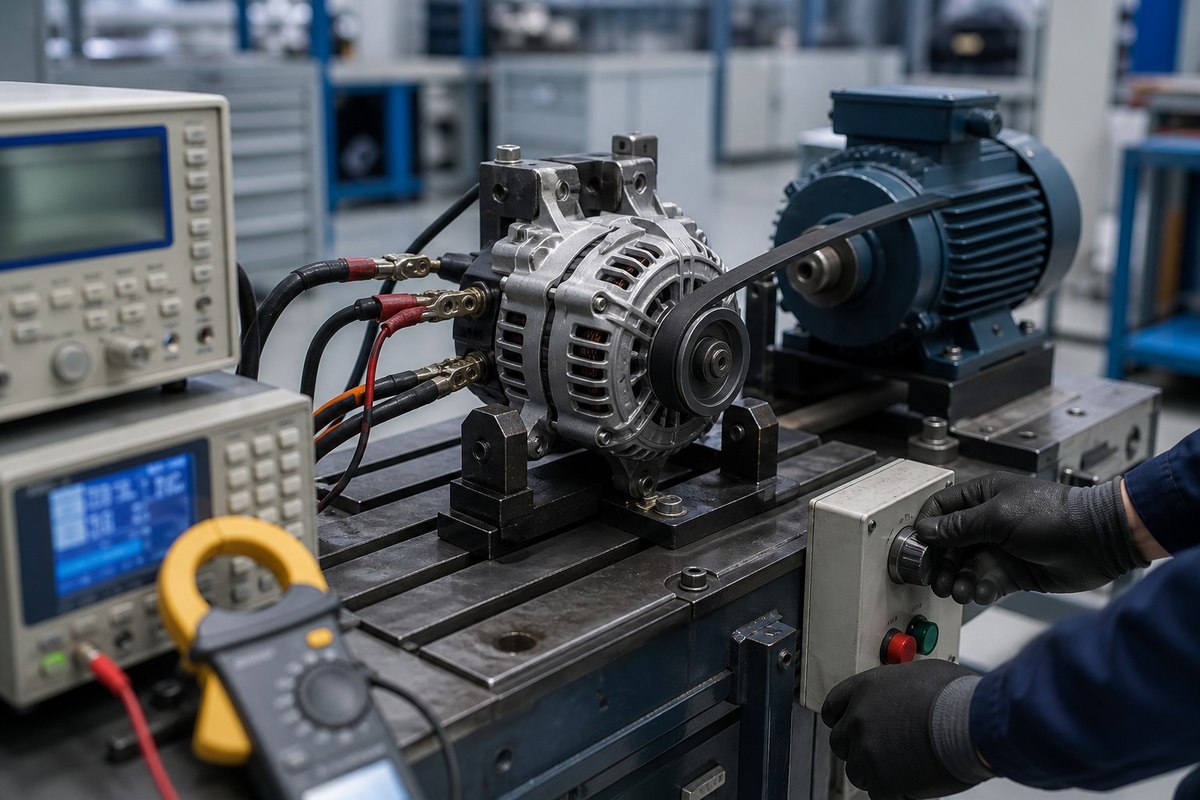
Without a brand as a proxy for quality, verification sits with the buyer.
- Component specification. Brand or grade and parameters for bearings, rectifier, voltage regulator, rotor and stator.
- Factory testing. Whether every unit is bench-tested, and whether records or reports can be supplied.
- Sample, then a small order. Prove the unit before committing volume.
- OE number and fitment. Check number, plug type, mounting dimensions, voltage and current line by line.
- Warranty terms. Period, failure criteria, claim process and replacement method — written into the order.
The component and test sequence behind those five checks is set out in how to evaluate alternator quality before bulk purchase.
3. Which one actually earns more?
Most buyers assume the cheaper unit must be the more profitable one. Purchase cost is only one line in the calculation.
Unit margin: identical profit, different percentage
| Branded | Unbranded | |
|---|---|---|
| Purchase cost | $100 | $70 |
| Selling price | $130 | $100 |
| Gross profit per unit | $30 | $30 |
| Margin | 23.1% | 30% |
Same profit per unit, better percentage on the unbranded line. On its own, that changes nothing about the business.
Capital efficiency: the same budget, a different year
| Branded | Unbranded | |
|---|---|---|
| Inventory budget | $10,000 | $10,000 |
| Units purchased | 100 | ~142 |
| Turns per year (illustrative) | 4 | 6 |
| Units sold per year | 400 | ~852 |
| Gross profit at $30 per unit | ~$12,000 | ~$25,560 |
Turnover is what turns a margin difference into a money difference — and it is why unbranded product is popular with distributors who are short of capital.
What the tables do not say
Turnover is market-specific. If demand for a handful of fast branded numbers is steady in your territory, branded stock turns just as quickly and carries almost no warranty cost. The tables are not an argument for one side; they are a reminder to read margin and turns together.
The real comparison is operating profit. Freight and import charges, storage, warranty claims, returns and reshipment all come off the top, and they differ by line. A very cheap unit with inaccurate fitment data can lose money through returns faster than the price gap ever earned it. A branded line that nobody returns can be the better business even at a thinner percentage.
4. Buying both: what changes in operations
Mixed purchasing is normal. Managing it is the work, especially when branded and unbranded units appear on one purchase order.
Keep brand and SKU separate
Every model needs an unambiguous brand and product number, agreed at contract and packing-list level. Warehouse, sales and customers should never have to rely on memory to tell two similar units apart.
Packaging must match what the product is
Branded goods follow the brand's own packaging rules. Unbranded goods use neutral or approved custom packaging. The red line: unbranded product must never ship in packaging or labelling that could make a customer think it is another brand. That is a commercial trust issue and, in most markets, a trademark risk.
Check fitment per source, not per appearance
Two alternators that look alike are not interchangeable. Each source needs its own check of OE number, plug, mounting dimensions and electrical data, whether the reference comes from a Toyota original equipment parts listing or a Honda OEM parts catalogue. Identical castings prove nothing — OE number and cross-reference verification is a per-source step, not a one-off.
Set warranty by product line
Terms and claim handling can differ between lines. Record which batch went to which customer, so a failure can be traced to a model and a shipment rather than to a general apology.
Mixed-order checklist: brand and product number on every line; packaging type confirmed (branded, neutral, custom); OE numbers checked one by one; plug, pulley and mounting verified; voltage and current verified; warranty confirmed per line; carton and shipping marks agreed.
5. Matching the mix to your customers
Three questions decide it. What share of your customers specify a brand? How much capital can sit in stock, and how fast does it need to come back? How much after-sales handling can you absorb?
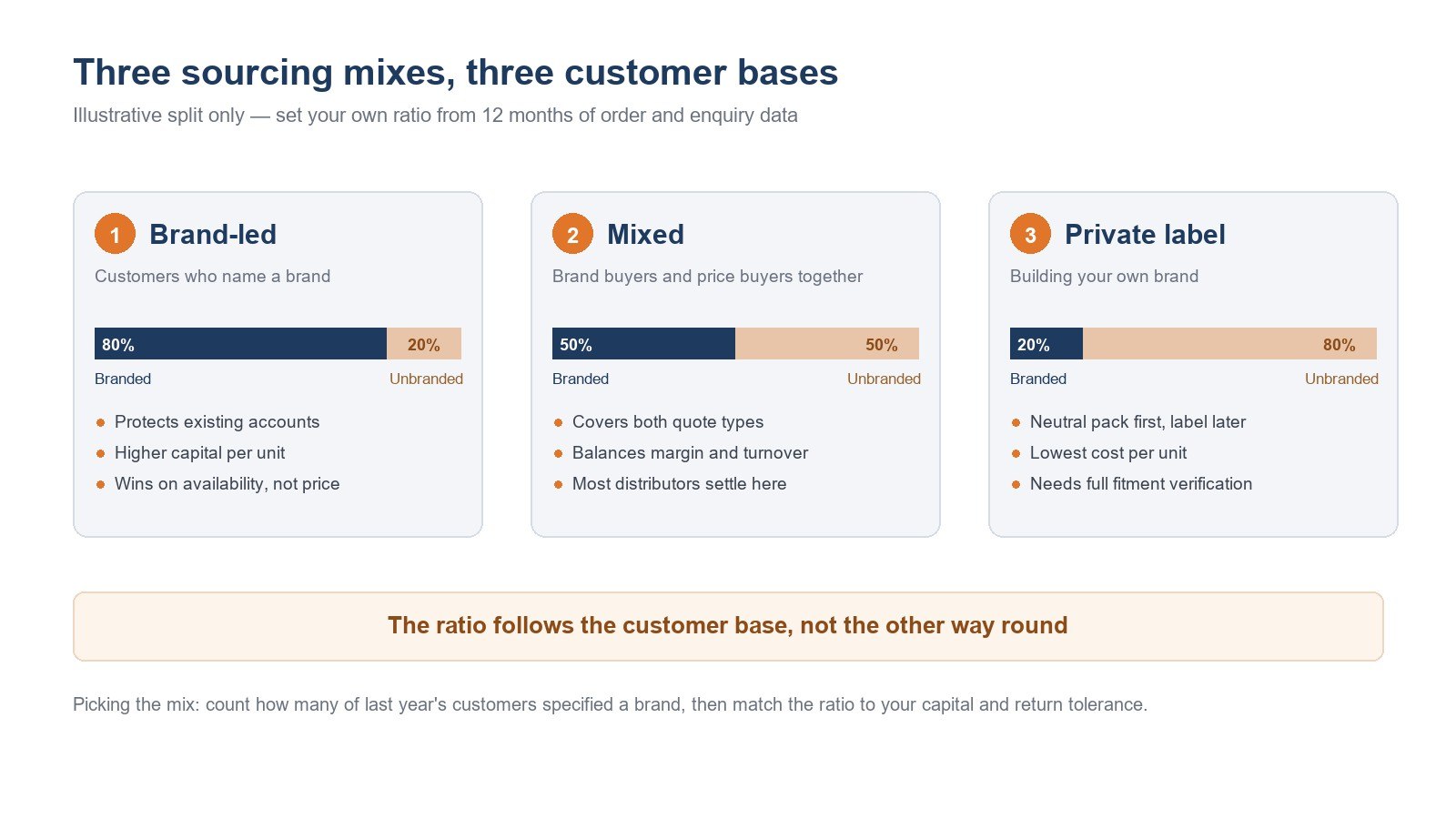
Strategy one: brand-led
For wholesalers with an established branded channel. Buy the named brands your customers ask for — Valeo, SEG, JHAEM where supply allows — and fill around them by order.
Strategy two: brand and unbranded in parallel
For a mixed customer base. Branded stock for the accounts that name a brand; verified unbranded product for buyers who quote on price, including the discount auto parts online segment and workshops that simply want the cheapest unit that fits. This is where most distributors settle, because it covers two price points without forcing either customer to change. The method for which alternators to stock and where the reorder point sits is a separate exercise, and it is the one that decides how much of each tier you hold.
Strategy three: towards a private label
For distributors with a base and a longer horizon. Start unbranded, test the market in neutral packaging, then add labels and printed cartons as volumes justify. An own brand is a promise; the supply chain behind it is what keeps it.
One sequence that works: start with three fast-moving OE numbers in neutral packaging, sell them locally for three months, add custom cartons and labels once the return rate behaves, then move twelve numbers under your own brand in year two. Test first, brand second.
6. Choosing a supplier that can hold the mix
Whatever mix you choose, the supplier decides whether it works. Requirements shift: a Valeo order this month, SEG or JHAEM next quarter, and eventually your own label. Five capabilities matter.
Can they supply branded product with documentation and realistic lead times? Can they supply unbranded product against your OE numbers, specification and quality requirements? Can they support neutral packaging, labels and private-label cartons within actual production limits? Can they keep extending model and OE coverage? And can they hold a delivery schedule that matches your stock plan?
FuZhiHui Auto Parts has supplied passenger-car 12V alternators for 20 years, holds more than 10,000 part numbers in a 1,000+ m² warehouse, supports small-quantity and mixed orders, and exports to more than ten countries. Branded Valeo, SEG and JHAEM units are offered according to current supply; unbranded and own-label programmes are quoted against your specification and volumes. Model, origin, packaging and customisation are confirmed in writing before production. Every enquiry is reviewed by our engineering team for fitment, and warranty coverage is confirmed per line rather than in general.
7. FAQ
How is unbranded quality controlled?
Through pre-purchase verification: component specification, 100% bench-test records, a sample and then a small order, and warranty terms written into the PO. Quality comes from manufacturing and testing, not from a logo.
What is the usual MOQ for private label?
It varies with model, customisation (label, printed carton, outer carton) and production scheduling. Send the target models and the customisation you want, and ask for a specific proposal.
Is an alternator covered under warranty?
It depends on the line. Branded units follow the brand's terms; unbranded units follow the warranty negotiated into the purchase order — period, failure criteria, claim evidence and replacement method. Confirm it in writing before the order, not after a failure.
Can branded and unbranded units ship on one order?
Yes, with separation: unique SKUs, packaging matched to the product, fitment checked per source and warranty confirmed per line, so a claim can still be traced.
8. Closing
Branded product protects a channel you have already built. Verified unbranded product protects your price position and your capital. Private label is the option that compounds, once the product has proved itself.
Start with data rather than preference: split last year's customers into brand-specified, price-led and mixed; trial two or three fast-moving OE numbers in neutral packaging; then set the ratio from what the trial shows. Whether you sell through workshops or car parts online, the mix should follow the customer base — not the other way round.
Related parts
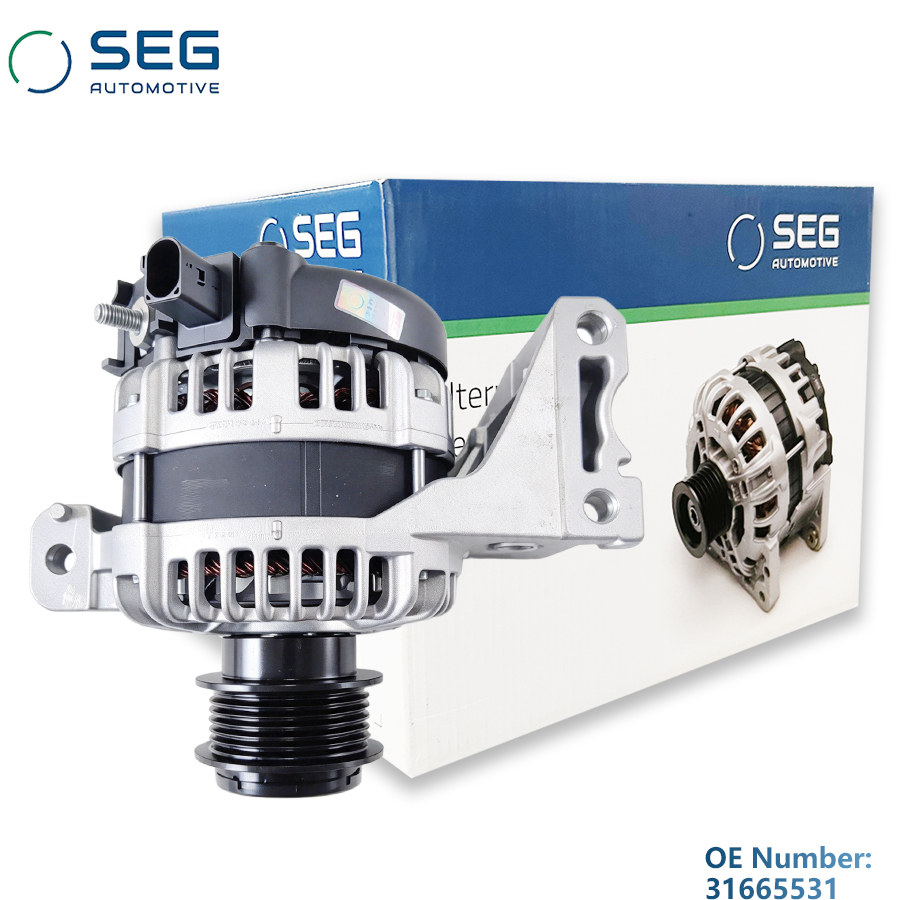
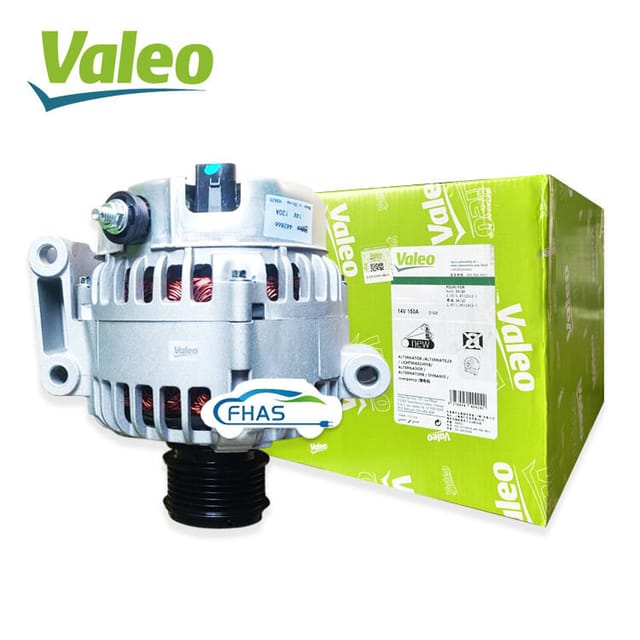
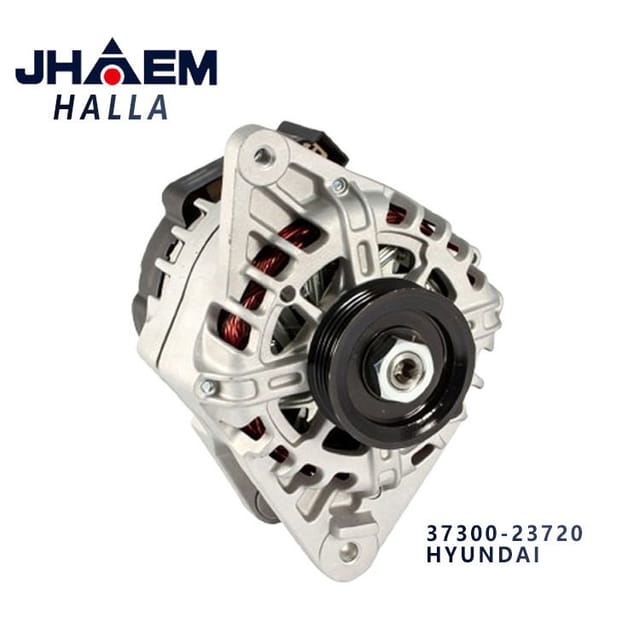
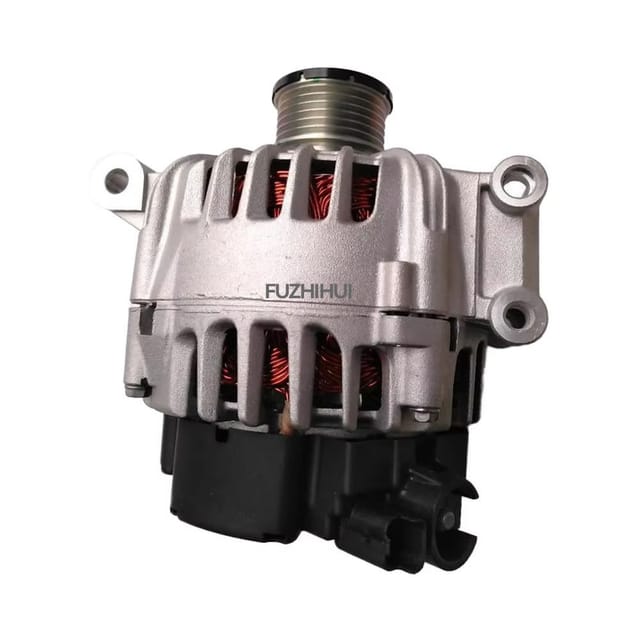
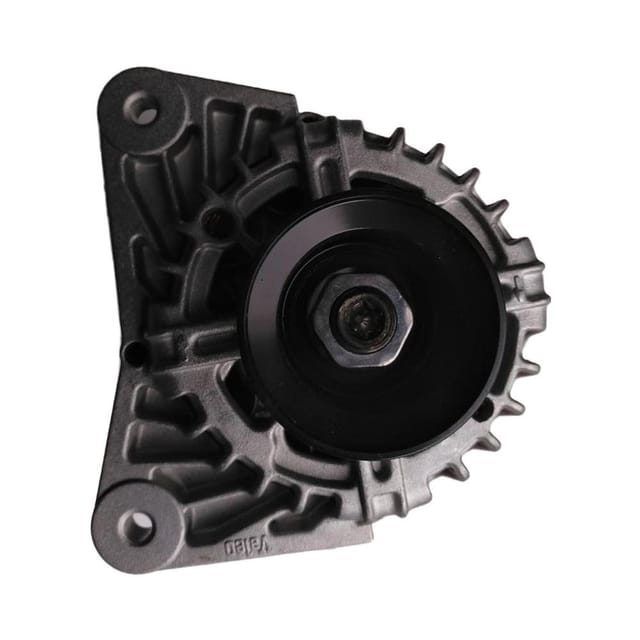
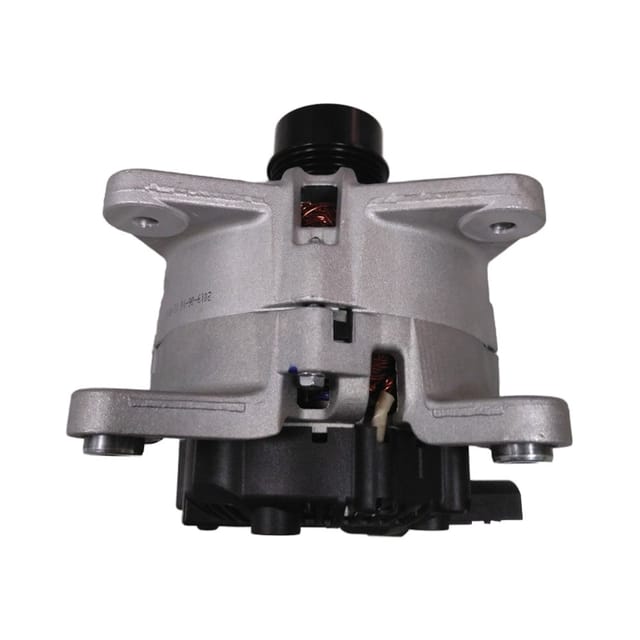
Units from our range. Send an OE number and we will check fitment before quoting.
Have a part number to price?
Send it over with the quantity and destination. You will get a fitment check, a unit price and a freight cost — usually the same business day.