
An OE-to-reorder-point inventory method for wholesalers, importers and distributors.
A warehouse holding several hundred OE numbers can still miss the sale. The fast mover that ran out last week and the number that has sat for eight months, invoice long paid, are the same problem seen from two ends. In the automotive aftermarket parts trade, most distributors answer it by adding SKUs and renting more space. For 12V passenger-car alternators the constraint is rarely breadth — it is not knowing which numbers deserve shelf space, which deserve a small buffer and which should be ordered only against a confirmed sale. A global bestseller list will not tell you; your market, your order history, OE fitment data and your supplier's replenishment capability will.
In short
Stock what your own market asks for: verify each OE number before it earns shelf space, rank the range A/B/C, and set a reorder point at daily sales times lead time plus safety stock. Start with 20–50 SKUs and add depth only on recorded demand.
Key takeaways
- An alternator is a failure part, not a service part: demand follows the age of the local car park, not new-car sales.
- "Interchangeable" in an OE lookup is a lead, not a verdict — diesel and petrol versions are the classic trap.
- A/B/C classification sets purchase priority: about 20% of SKUs usually produce over 70% of outbound volume.
- Reorder point = daily sales × lead time + safety stock, raised before peak season.
- Start with 20–50 SKUs; add depth only on recorded demand.
1. Why alternator inventory piles up
Many OE numbers, few that earn shelf space
An alternator cannot be bought from a model name. The same car can take different units by build year, engine code, trim or market, even when the housings look identical. On a premium Audi application, lookups commonly flag 4N0903028M and 4N0903028N as interchangeable. They are not: the M number is the diesel version, the N number the petrol version, with different pricing and application ranges. Order on the lookup result and you ship the wrong unit — refund, freight and trust, three losses on one order. A large auto parts catalog is not a stock list; fuel type, pulley specification, plug pinout and electrical data decide fitment before a number earns shelf space.
An alternator is a failure part, not a service part
Brake pads and filters wear on a schedule; alternators fail. Single-unit demand is random, but volume tracks the age of the car park. Two rules of thumb hold across markets: replacement alternator demand concentrates once vehicles pass about ten years old, and it continues for 8–15 years after a model leaves production. Reading new-car registrations to plan alternator stock is the wrong signal — a new car alternator sale is rare in this business; the volume sits in a ten-year-old fleet.
The two-sided loss: stockouts and dead stock
Two lines tell the story. Line A sells every month and runs out because replenishment is late; line B was bought 20 deep and has moved two in six months. One loses orders, the other ties up cash. New entrants feel this most: with no history they order on a recommendation or a hunch, and end up with Toyota parts overstock in a market that wanted something else. Even a well-run auto parts warehouse online runs out of its top movers, because space is not the constraint — information is.
Hot models are regional
Europe, North America, Latin America and Southeast Asia differ in fleet mix, vehicle age and repair habits, so the numbers that move differ too. A model that sells in millions worldwide does not guarantee demand for every one of its alternator numbers in your market. Park population suggests potential demand; enquiries and orders confirm it. If the target market is not settled, choose the country and customer type first, then study the vehicles — never stock first and look for buyers afterwards.
2. Set the purchase scope before choosing SKUs
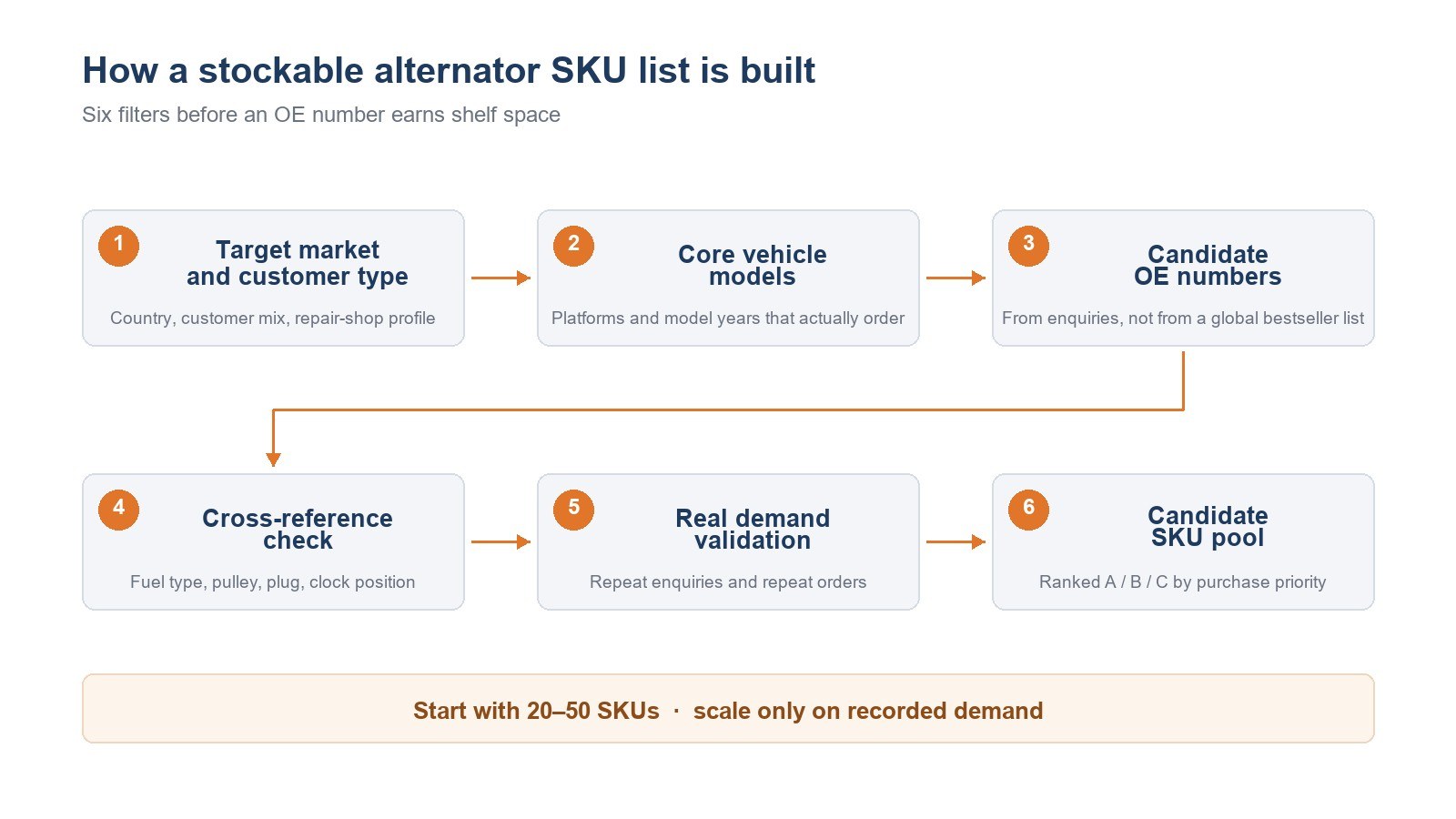
Start from your customers' vehicles
Ask what your customers actually service. A wholesaler supplying independent repair shops needs wide coverage and shallow depth, and depends on fast replenishment. One supplying brand-affiliated chains can concentrate on fewer SKUs with stable repeat orders and stock A-lines deep. One supplying regional sub-distributors follows their core models. The same OE number can justify opposite stocking depths under different customer mixes, so build the candidate list around your customers' core brands and platforms.
Decide the product tier as well: new, alternator remanufactured or used alternator stock carry different margins, warranties and return flows, and mixing them in one list hides which tier is actually profitable. Whether a unit is a rebuilt versus remanufactured alternator decides the warranty you can promise on it, so keep the tiers apart in the record before the stock decision.
Verify fitment instead of trusting the lookup
Once candidate vehicles are fixed, check the specific numbers: brand, product version, year range, whether start-stop is fitted, and the four-point cross-check — original OE plus supersession; fuel type and engine code; pulley diameter, groove count and clutch type; plug pinout and start-stop support. Pulley specification is where fitment most often fails while looking identical, and alternator pulley types sets out the variants. Online parts dealers list every number as available, catalogues disagree, and only documented application data settles it. A wrong number on the shelf is the cheapest part of that mistake. The full method for running that check is in OE number and cross-reference verification.
Test the list against real demand
A number that keeps appearing across different enquiries, or has produced repeat orders, deserves evaluation; a number that is common elsewhere but never asked for locally does not. A simple tracker — enquiries, units sold, target customer, lead time — turns guesswork into a shortlist. Distributors who carry starters and alternators can run the same test per category, since the customer base is usually identical.
3. Use A/B/C to decide what sits on the shelf
Classification is not labelling; it is a rule for where the purchasing budget goes.
| Class | Typical profile | Stocking rule |
|---|---|---|
| A — core | Frequent orders, repeat customers, proven volume | Protect availability; fixed replenishment plan |
| B — potential | Steady enquiries or first orders, not yet stable | Small buffer; keep watching |
| C — low frequency | Rare sales, narrow application | Buy to order; stock only when lead time forces it |
Quantitative thresholds make it a rule rather than an opinion. A: three consecutive months with three or more separate customer orders and repeat customers above 30%. B: enquiries converting, or one or two orders in three months from different buyers. C: no sale in six months, or one large order and then silence. Mature operations usually find about 20% of SKUs producing over 70% of outbound volume — a benchmark, not a target.
For A-lines, watch stockout risk rather than volume: 100 units in one order is a project, 10 units every month is a forecast. For B, buy small, buy to order, and scale only when enquiries convert into repeat orders. For C, low frequency is not the same as worthless — some accounts need the number occasionally. Check three things before deciding: supplier stock, small-quantity support, and delivery time after confirmation. If replenishment is easy, do not hold it.
4. When to reorder, and how to avoid both traps
Stock position is not warehouse stock: available = on hand + in transit − committed to customers. Judging replenishment on the on-hand figure is how a container on the water becomes a stockout.
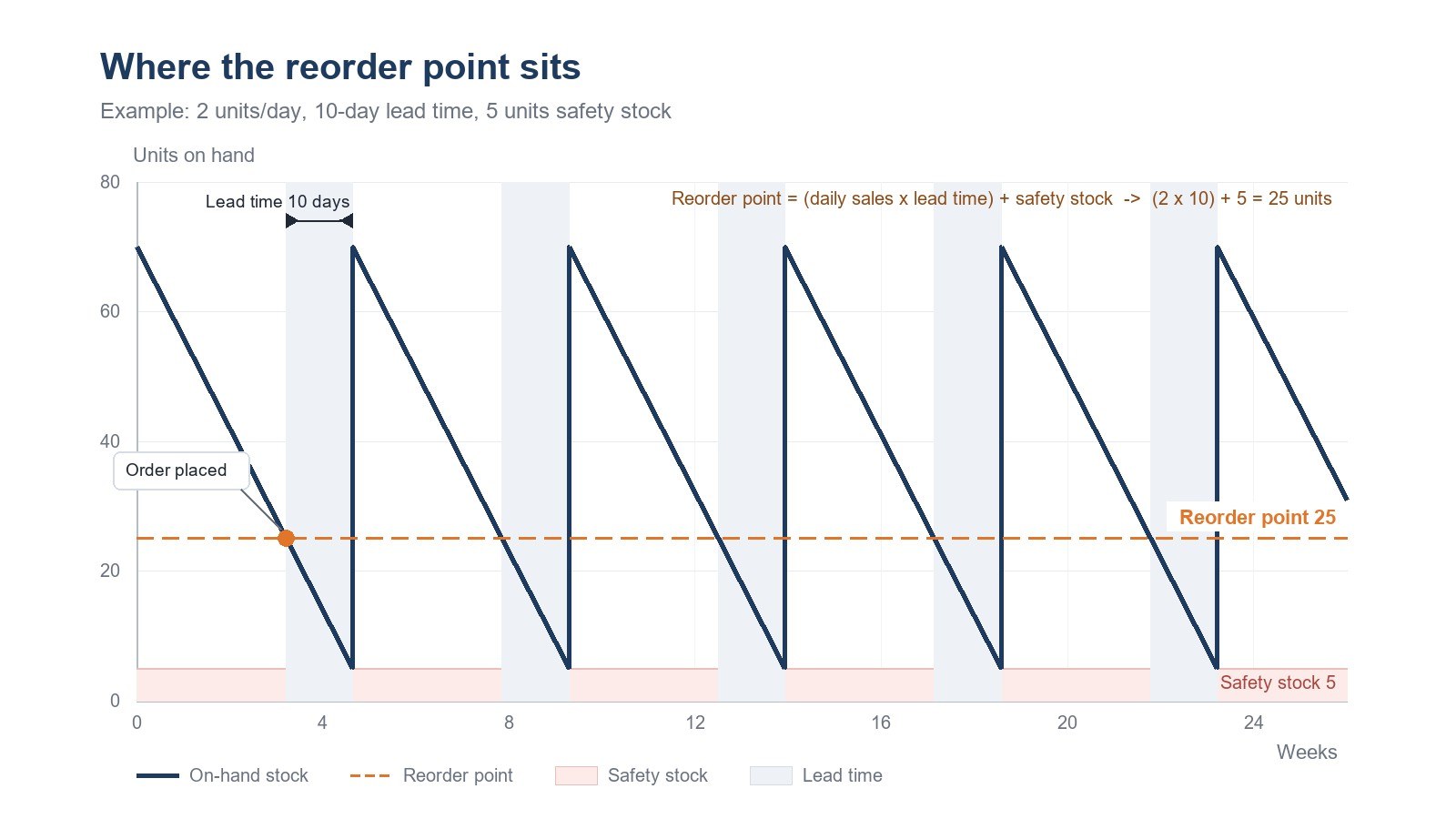
Reorder point = daily sales × lead time + safety stock. At 2 units a day, a 10-day lead time and 5 units of safety, the trigger is 2 × 10 + 5 = 25 units — start buying when the position approaches 25, not when the shelf looks empty.
Seasonality belongs in the same calculation: cold-start current and long air-conditioning load push failures up in both winter and summer, so one set of parameters cannot run all year.
| Window | Adjustment |
|---|---|
| 2 months before peak (Nov–Jan, Jul–Aug in Europe) | Raise safety stock 30–50% |
| During peak | Weekly review; A-lines may carry extra |
| Off-season | Return to standard; keep old stock from eating peak budget |
| Supplier lead-time volatility (around Chinese New Year) | Add one full lead time of safety stock |
The formula answers when, not how much; order quantity also depends on minimum order quantity, budget, demand variability and space. Dead stock has three exits: bundle it with fast movers, negotiate a swap with the supplier, or offer it to a regional customer who needs that number — relisting it as alternator for sale stock at a discount often recovers cash faster than holding on. Clearing once usually costs less than carrying it another year.
5. Volume is not the only test: margin and turnover matter
Some lines sell well at thin margin; others sell rarely at high margin. Budgeting on units alone misses the second group. Track three things: sales pattern (units, order frequency, repeat customers, stockouts); real contribution (purchase and selling price minus freight, warranty and returns); turnover (time from receipt to sale, plus capital in stock that has not moved). A working reference in parts distribution is 4–6 turns a year, core A-lines above 8, slow C-lines below 1. Two lines holding the same capital are not equal if one turns monthly and the other twice a year — for a new distributor, depth in proven numbers beats breadth.
6. Your supplier's replenishment capability is part of your inventory
Stock risk is not decided by the buyer alone. What separates a useful supplier from a thick catalogue is the accuracy of the answer you get when you are out of stock: how many are on hand, and when the next batch lands.
Five things to confirm. Can they verify OE numbers and application data, so "listed" does not mean "fits"? Do fast movers sit in stock, and what is the replenishment time when they do not? Is small-quantity purchase supported, which is what makes C-lines viable? Are lead time, quality and warranty terms clear per brand and series? Can coverage grow with your range? For branded Valeo, SEG or Halla units and unlabelled custom product, verify model, supply terms and lead time separately — not everything replenishes at the same speed and quantity. The evidence to ask for on components and factory testing is set out in our 12V alternator quality evaluation.
FuZhiHui Auto Parts has supplied alternators for 20 years, holds more than 10,000 part numbers in a 1,000+ m² warehouse, supports small-quantity orders and exports to more than ten countries. Send the 10–20 numbers you are unsure about and our engineering team will return a cross-check and stocking recommendation within 48 hours.
7. FAQ
How many SKUs should a new distributor start with?
20–50, built around the core brands and platforms of your target customers. Expand on recorded data rather than catalogue coverage.
How do I know a cross-reference is reliable?
Run the four-point check: OE number plus supersession and application range, including fuel type and year band; pulley diameter, groove and clutch type; plug pinout and start-stop support; a sample order where the value justifies it. A website result is a lead, not a verdict.
What inventory turnover is healthy?
4–6 turns a year is a common reference, with A-lines above 8 and slow C-lines below 1. Watch the share of capital in stock that has not moved for 6–12 months; many distributors aim to keep it under 10%.
How much safety stock should I hold?
Cover one to two lead times of variability: safety stock ≈ daily sales × lead time × 20–50%, raised seasonally using the table above.
8. Closing: not the fullest warehouse, the most effective one
Sound alternator inventory is not a global bestseller list; it is a loop: define market and customer mix, build a candidate list from vehicles and OE numbers, validate with enquiries and orders, rank A/B/C, then adjust on lead time, margin and turnover. Three actions for this week: pull the 20 most-requested OE numbers from the last six months, run the four-point check on each, then stock A deep, test B small, buy C to order.
Related parts
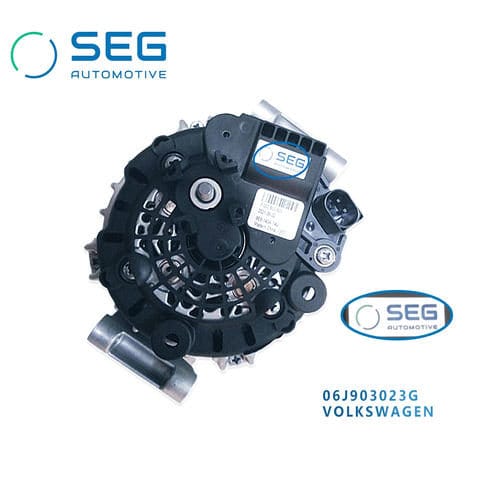
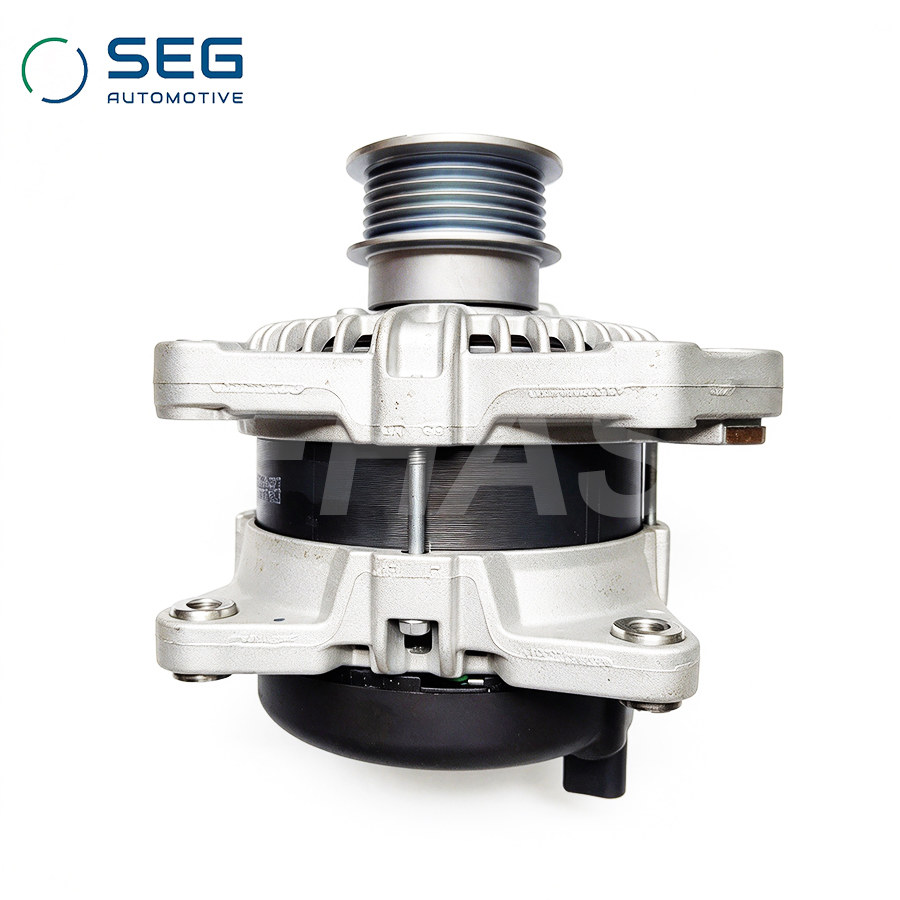
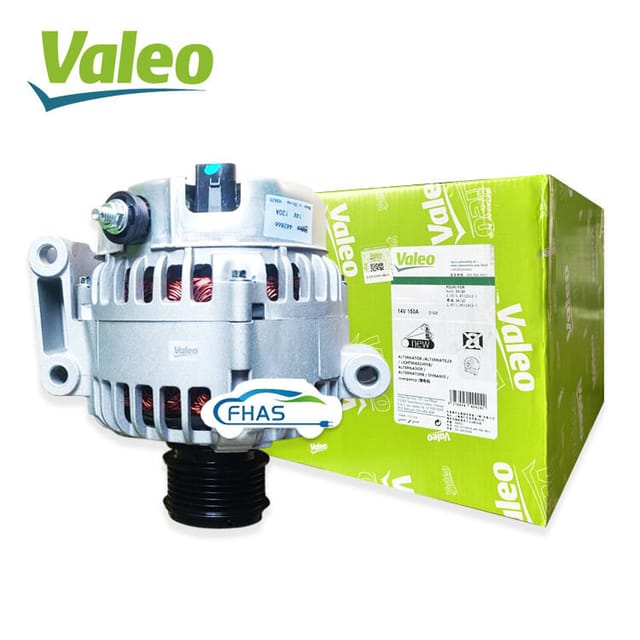
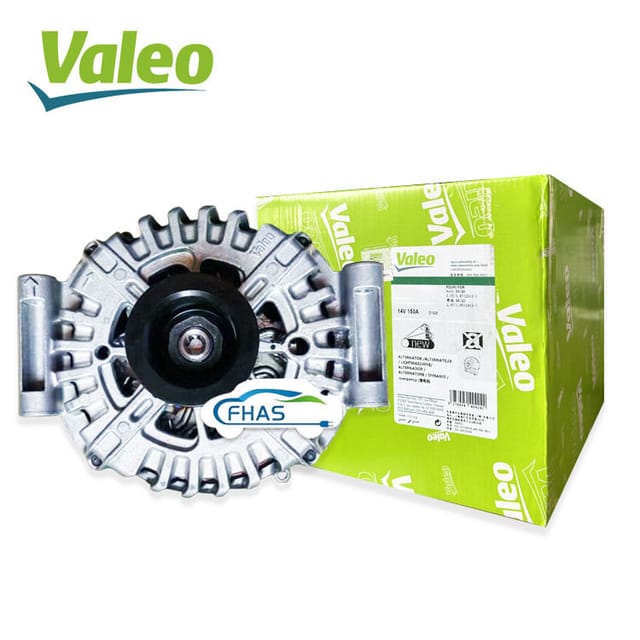
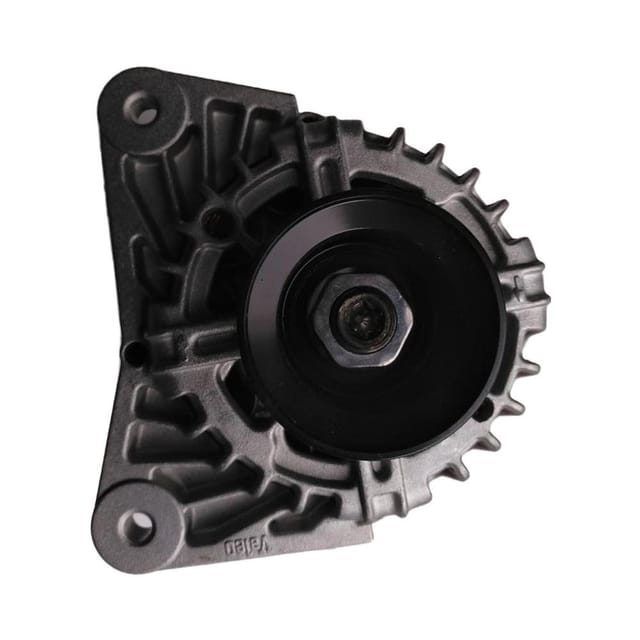
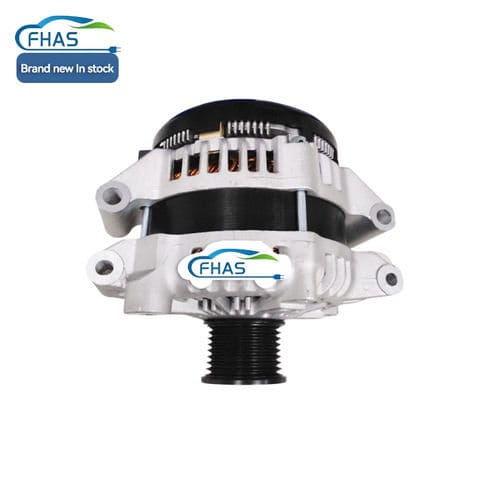
Units from our range. Send an OE number and we will check fitment before quoting.
Have a part number to price?
Send it over with the quantity and destination. You will get a fitment check, a unit price and a freight cost — usually the same business day.