
This article is about the arithmetic of choosing a rating. It shows you how to build a load figure from the equipment you have actually installed, how to convert that figure into an amperage target, and what to check before you order. The angle is deliberately unglamorous: most high-output failures are not caused by too little output, but by a rating chosen to impress a forum thread rather than to match a belt-driven system.
In short
Size the alternator from the loads you have added, not from the biggest number for sale. Add up what each accessory draws, allow for duty cycle, keep a margin, then match the pulley and belt to the new load. An oversized unit that cannot be driven properly charges no better than a stock one.
What a Higher Rating Actually Buys You
Output is rated at a specific test speed, and that single fact explains most of the confusion around upgrading. A unit rated at its test speed does not deliver that current at engine idle, where a winch, a big audio amplifier, or a refrigeration unit actually demands it. What you are buying with a higher rating is a better position on the output curve — more current available at lower engine speed — not a guarantee that the headline number is available whenever you want it.
That is why the useful question is not whether a hi output alternator produces more current, but whether it produces enough current at the speed the engine spends its time at. A vehicle idling in traffic with lights, blower, and an amplifier running is the real test case. If the upgrade does not improve the figure at idle, it has not solved the problem it was bought for.
Two more phrases get used loosely in this space. A high power output alternator and a best high output alternator are both marketing descriptions rather than specifications. The specification is the output curve, the pulley type, and the connector arrangement. Ask for those three and the marketing language stops mattering.
Searching for the best ho alternator usually returns a ranked list built on the headline figure, which is the one number that tells you least about how the unit will behave in your car. A more useful filter is the shape of the curve: a lower-rated unit that still holds a workable figure at low engine speed will serve an idling vehicle better than a higher-rated one that only reaches its number on a test bench. Read every claim as a point on that curve rather than as a property of the box.
Sizing It From Your Own Load List
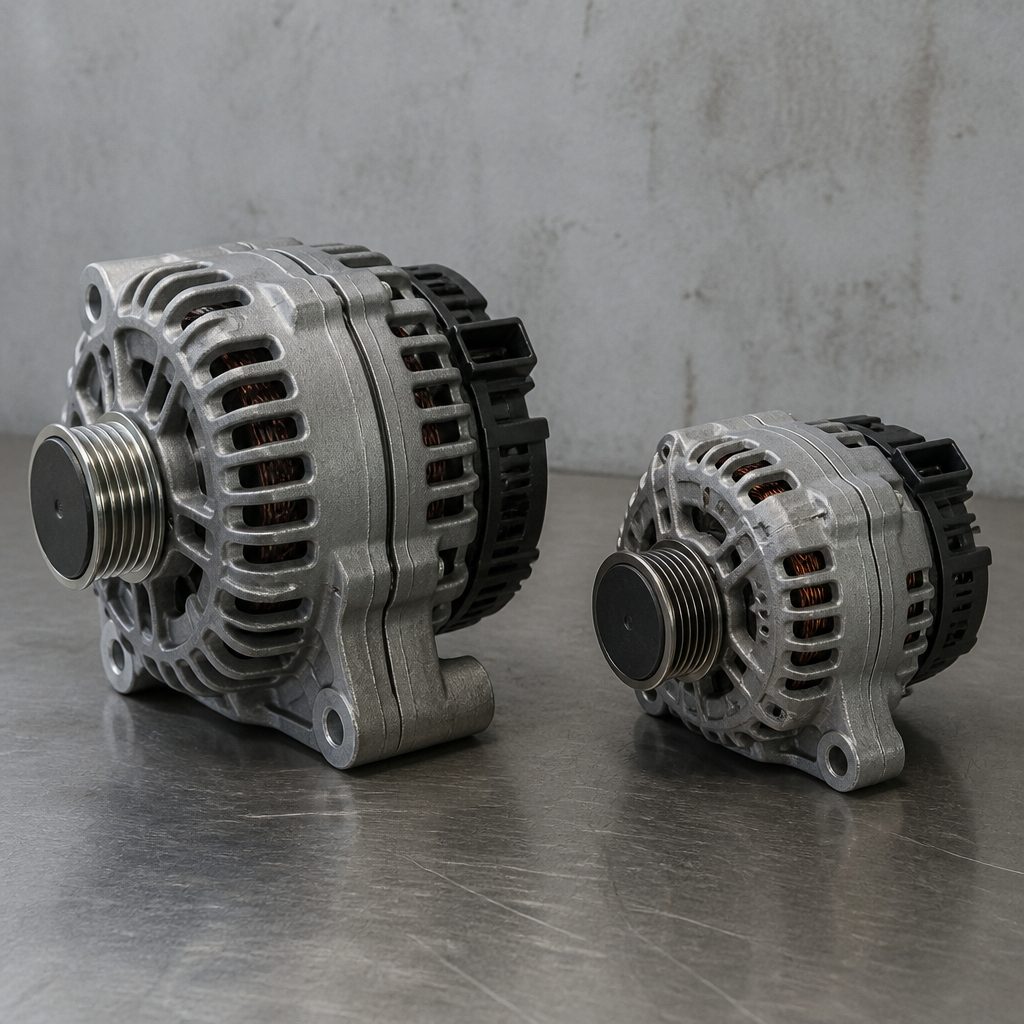
Start by listing what you have added, with the current each item draws. Lighting and pumps are usually continuous. Audio amplifiers draw in bursts and average far less than their fuse rating. A winch is a heavy intermittent load, so it should not be added at face value but weighted by how long it runs. Write the list down, because the total is the only number that matters and it is surprisingly easy to guess wrong.
Then convert the total into an amperage target. The vehicle itself consumes current continuously — ignition, fuel system, and electronics — so the alternator has to cover that plus your accessories, plus enough spare to refill the battery after a heavy discharge. That is the honest answer to what amperage alternator do i need: your continuous load plus the vehicle's own demand, with a margin on top, and a check that the figure is achievable at idle rather than only at speed.
Tools help here. An alternator amp calculator or an alternator amperage calculator will do the addition, and both are useful mainly because they force you to enumerate the loads rather than guess a total. A clamp meter used in the vehicle is better still, because the figure it gives you is the draw you actually have, measured rather than assumed.
One shortcut is worth knowing about, and one myth is worth discarding. On many vehicles the factory rating can be looked up from the vehicle identification number, which is what alternator amperage by vin number searches are looking for, and that gives you a dependable baseline for what the car was built with. What you cannot do is infer what you need from that baseline alone, because the baseline describes a stock vehicle and you have changed it.
The Ratings You Will See, and What They Suit
Manufacturers publish a ladder of ratings, and each rung suits a different duty. The table below is a starting point rather than a rule, because two units with the same rating from different makers can have very different output curves at idle.
Read the ladder as a set of duty descriptions rather than as a ranking. A 1000 amp alternator on a stock car is not an upgrade; it is a belt, bearing, and heat problem with an impressive label. Most real-world upgrades land between the stock rating and roughly double it, which usually means an alternator amp figure in the range the vehicle can actually drive.
The rungs also describe duty rather than quality. A unit built for continuous commercial load is wound and cooled for that job, while a unit of the same rating built for a show car may only tolerate short bursts. When you compare two candidates, compare the alternator amperage output each one is certified to hold continuously, not the peak it can survive for a moment, because a daily driver asks for the first of those two figures every single day.
Ratings are also quoted differently by different sellers, and the difference is easy to miss. One may publish a cold figure measured immediately at test speed, while another publishes a figure held after the unit has reached normal operating temperature. Ask which of the two is being quoted before you compare numbers at all, because they are not the same promise, and the gap between them is exactly what a hard-working electrical system will find out on its own.
| Rating | Typical duty it suits |
|---|---|
| alternator 100 amp | Stock replacement on a compact or mid-size car with no added load |
| 105 amp alternator | Light added load: better lighting, a modest amplifier |
| alternator 130 amp | Heavier stock electrical content, or a small inverter |
| alternator 140 amp | Light commercial use with continuous accessories |
| 170 amp alternator | Dual batteries, refrigeration, or sustained inverter load |
| 240 amp alternator | Multiple continuous loads, auxiliary battery banks |
| 350 amp alternator | Heavy mobile electrical systems, high-duty winching |
| 370 amp alternator | Same duty as above, at higher idle output |
| alternator 400 amp and 400amp alternator | Purpose-built systems with dedicated belt drive |
| 600 amp alternator | Specialist installations with matched belt and mounting |
| 1000 amp alternator | Competition and extreme-duty builds only |
What Goes Wrong When You Oversize
The first limit is the belt. Alternator output costs mechanical power, and that power has to come through the drive belt. Past a certain rating the belt cannot transmit the load without slipping, and a slipping belt both destroys output and generates heat. This is why serious upgrades change the belt specification and sometimes the pulley diameters rather than only the unit.
The second limit is heat, and it is the one that kills units early. A high-output alternator generates more heat in the same housing and dissipates it through the same surface area. In a crowded engine bay, mounted low and close to an exhaust manifold, the extra output accelerates the aging of the regulator and the bearings. A unit that is asked to run near its maximum continuously will not last like one with headroom.
The third limit is the pulley. Many modern units use an overrunning decoupler rather than a solid pulley, and the two are not interchangeable. A decoupler smooths the belt load when the engine decelerates; fitting a solid pulley to a system designed for a decoupler transfers that shock into the belt and bearings. It is also where a universal fit high output alternator runs into trouble: universal means the mounting can be adapted, not that the pulley, the connector, and the charge strategy will suit your vehicle. Systems built around amp alternators or a single amp alternator upgrade routinely fail on exactly this point, and often on the additional point that the vehicle's engine computer was never told about the change.
The fourth limit is what the extra output is measured against. A seller will quote a peak on a bench, but what you live with is the car alternator amperage output available with the engine at the speed you actually drive at, turning the belt and pulley you actually fitted, in the heat of your own engine bay. Anything above that is a paper figure, and a paper figure does not recharge a battery after a cold start.
Choosing Between Ratings That Look Similar
Two units one rung apart on the ladder are rarely one rung apart in practice, because output curves differ. Compare them at the engine speed you actually use, and compare their pulley type and connector layout at the same time. A near-identical alternator amp output figure at rated speed can hide a large difference at idle, which is the only figure that matters for a vehicle that spends its life in traffic.
Fitment then becomes the deciding factor. Match by OE number and check the pulley type, the mounting, and the connector. If your vehicle manages charging electronically, confirm whether the new unit has to be registered or the strategy relearned, because a high-output unit the module does not recognise will not be exploited properly. On some applications the baseline unit is a specific design — for example, GM's dr44g alternator amperage rating varies by application, so the same family name does not mean the same output. Where that is the case, the vehicle's own service data settles it, not a forum post.
The honest position on any general figure is that the right rating depends on your measured load, your idle speed, and your belt and pulley specification. A supplier can tell you what output each unit produces; only you can tell them what you will run. Bring the load list, and the choice stops being a matter of taste.
Our stock covers OE-matched alternators from Valeo, SEG, and Halla through official channels, with pure copper windings and OEM specification, listed by amperage rating and pulley type so the output figure is real rather than a headline.
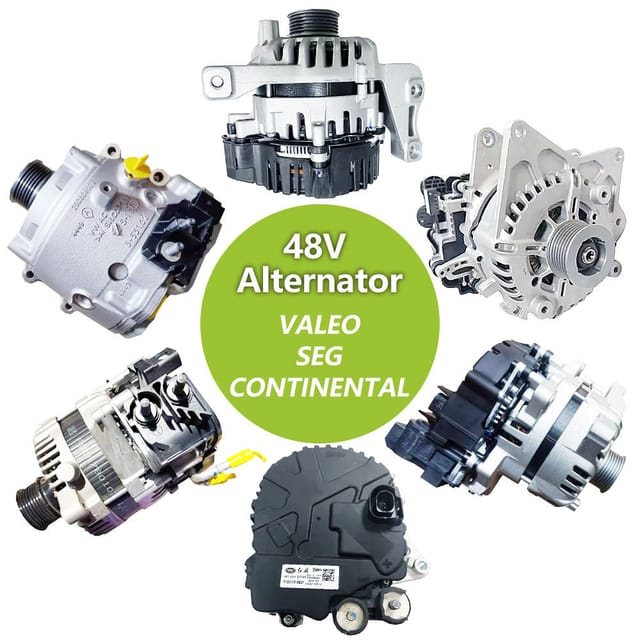
High-Output Alternator 48V for Audi / Geely / Land Rover
- New condition · inspected before dispatch
PriceUS$200–650
Minimum order 1 piece
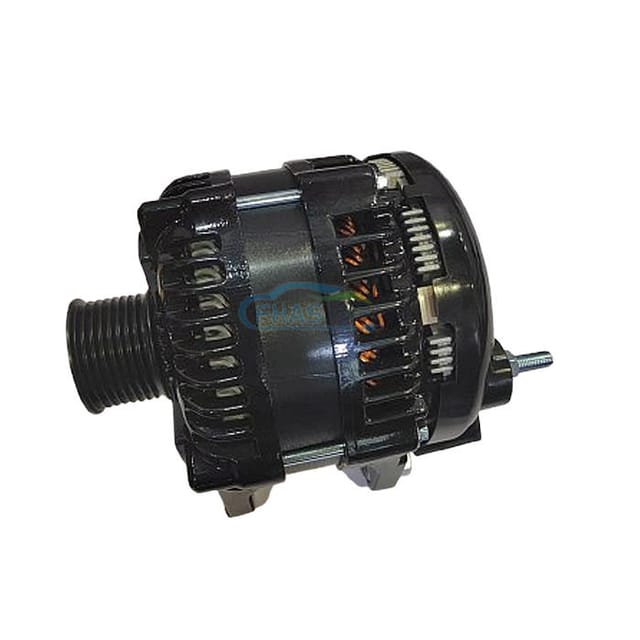
High-Output Alternator 36V–100V for RV and Custom Builds (100A)
- OE / cross-reference: 100A · 150A · 200A outputs — built to order
- New condition · inspected before dispatch
PriceUS$560–890
Minimum order 1 piece
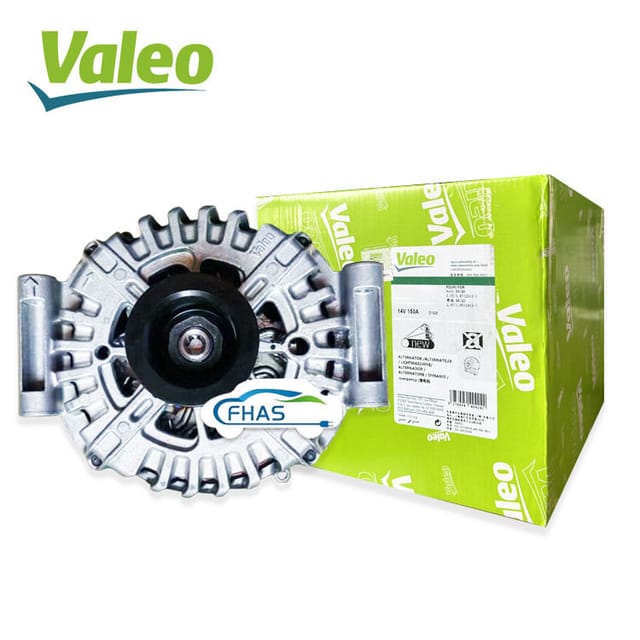
Valeo Alternator 12V 220A for Mercedes-Benz
- Valeo brand line
- New condition · inspected before dispatch
PriceUS$199–210
Minimum order 2 pieces
FAQ
Does a bigger alternator charge better at idle?
Only if its output curve at idle is better, which is not the same thing as a higher rated figure. Ask for the output at the engine speed you actually use, because a high rating measured at test speed can deliver little at idle.
Can I fit a universal high-output unit to any vehicle?
Physically you may be able to adapt the mounting, but the pulley type, the connector, and the charging strategy still have to match. Those three decide whether the upgrade works, and they are the reason universal units so often underperform.
How much spare capacity should I allow?
Enough to cover the vehicle's own demand plus your accessories, with margin left to refill the battery after a heavy discharge. What matters more than the margin is that the figure is achievable at idle, not only above cruising speed.
Will a higher-output unit damage my belt?
It can, because output is paid for in mechanical load through the belt. Beyond a certain rating the belt cannot transmit the load without slipping, so the belt, tensioner, and pulley specification have to be checked along with the unit.
Do I need to tell the car about a new alternator?
On vehicles with computer-managed charging, yes: the unit has to be registered or the charging strategy relearned, otherwise the module will not control it correctly. On conventionally regulated systems there is nothing to register.
Why do two alternators with the same rating cost very different amounts?
Because the rating describes one point on the output curve, not the build. Housing, windings, regulator, pulley, and connector differ, and so does the output available at low engine speed — which is where most owners actually needed the upgrade.
Related parts
Units from our range. Send an OE number and we will check fitment before quoting.
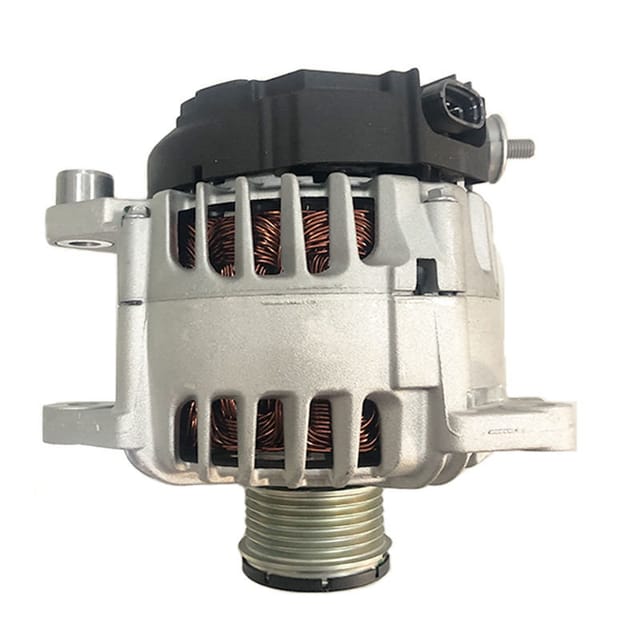 Alternator for Nissan X-Trail 2.5 / T31 (SVES082467)
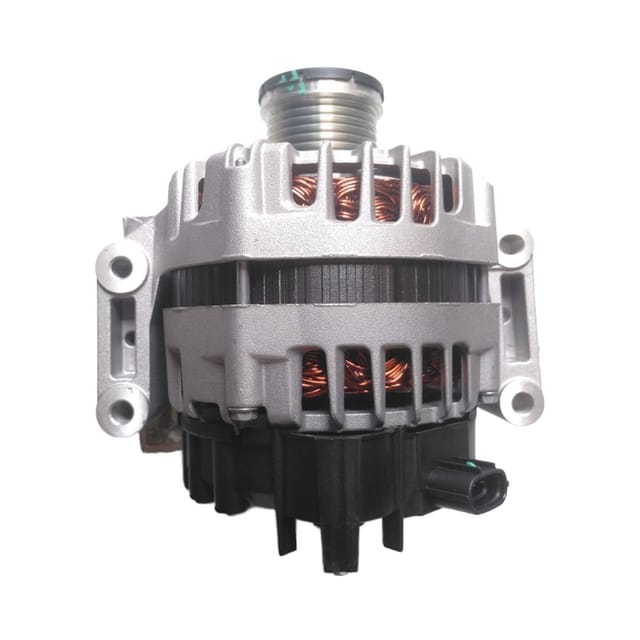 Alternator 14V 130A for Geely (FGN12D31S134)
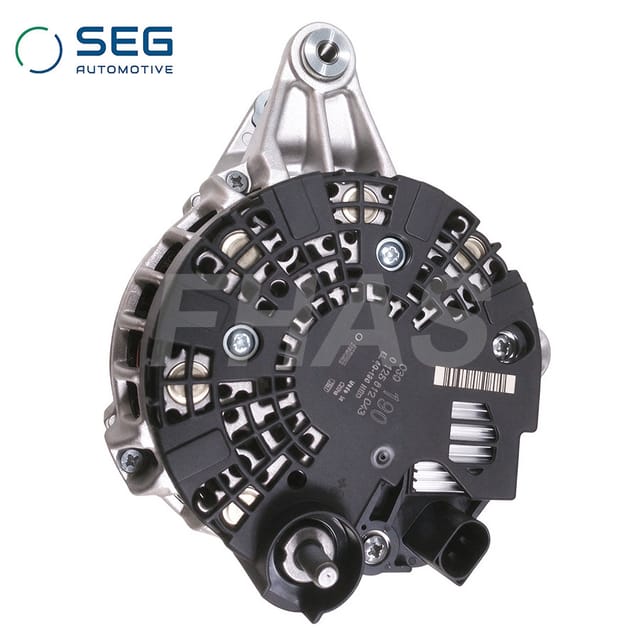 A0009069405 SEG Car Alternator 12V A0009069305 A0009067703 A0009064004 for Mercedes-Benz GLC 260 / 300 (Facelift) Alternator
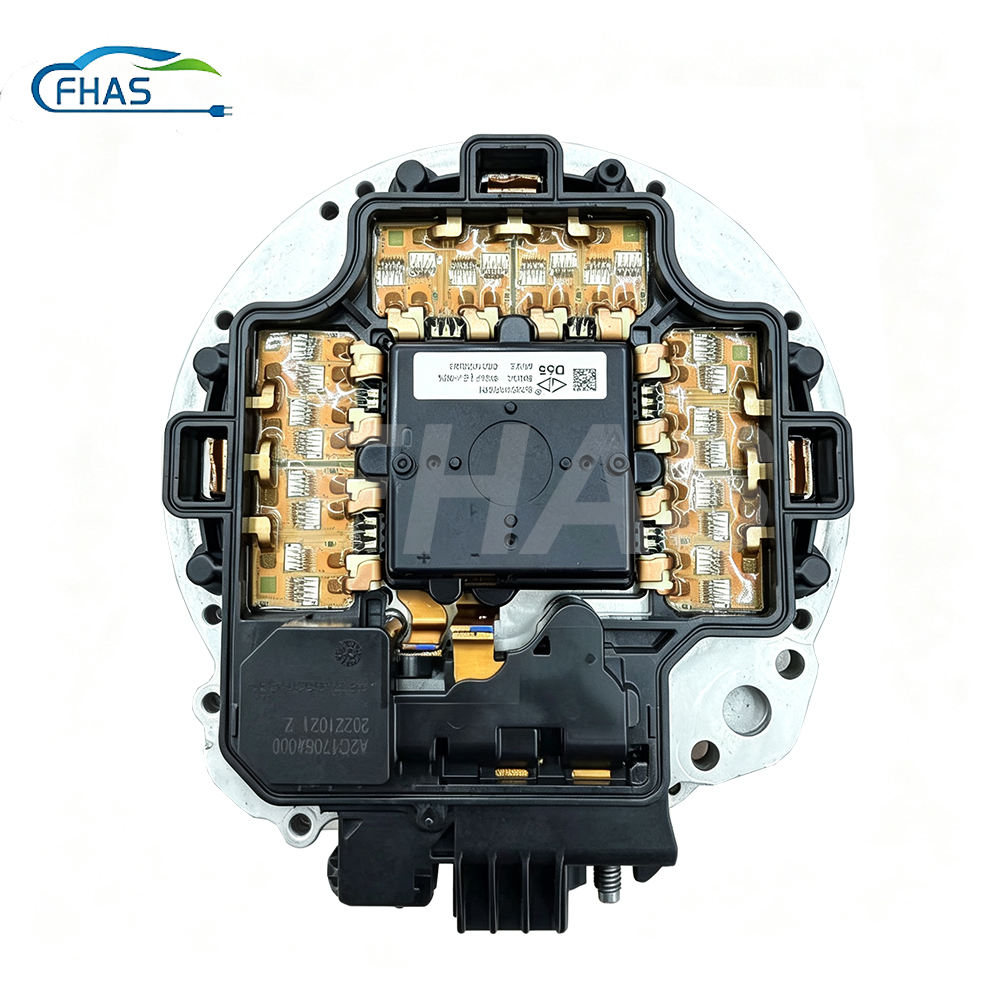 4N0903028P 4N0903028N 4N0903028J 4N1903028 Audi 48V Water-Cooled Alternator Computer Board
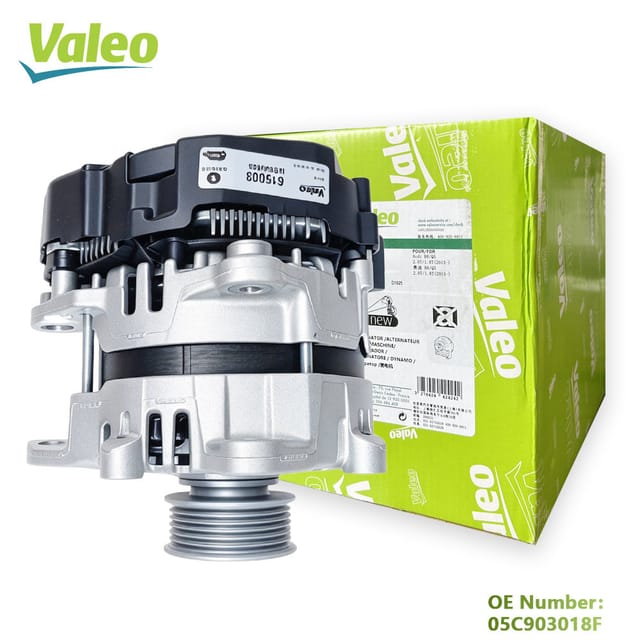 Valeo Alternator 48V 350A 6PK for Audi (05C903018F)
 Valeo Alternator 12V for VW / Audi — 0986080970
Have a part number to price?
Send it over with the quantity and destination. You will get a fitment check, a unit price and a freight cost — usually the same business day.