
A failing alternator gives warning before it dies: a battery light that stays on after start, headlights that dim at idle, a belt that chirps. This guide takes a workshop or a confident DIYer from that first symptom to a correctly matched replacement — confirming the fault with a multimeter, choosing by OE number rather than appearance, and working through the swap, including the tensioner check and the pulley match most people skip.
In short
A confident DIYer can replace an alternator in 1–2 hours: disconnect the negative battery terminal, release belt tension, remove the mounting bolts, and fit a correctly matched unit — then recheck charging voltage under load. Confirm OE fitment before you order.
Job at a glance
How to Tell If an Alternator Is Bad

Most alternators fade over weeks, and the early signs of a bad alternator are easy to dismiss.
Common Symptoms
- Battery warning light stays on after start.
- Headlights dim at idle and brighten when you rev.
- Belt chirps, squeals, or walks off its pulleys.
- Blower, wipers, and heated seats weaken at low rpm.
- Battery keeps going flat after a jump start.
They describe the classic bad alternator symptoms — a unit that has simply worn out. The onset is easy to miss: alternator problems mimic a tired battery, and alternator going bad symptoms appear only when several accessories run at once, so early signs of bad alternator output get dismissed. Hard cold cranking is another of the signs of a failing alternator. Knowing how to tell if alternator is bad takes measurement, not guesswork, and how to tell if your alternator is broken is answered by the same three readings. These signs of a bad car alternator — and the symptoms of a bad alternator generally — also overlap with a slipping belt or an aged battery, and untreated alternator failure symptoms end in a flat battery.
How to Test with a Multimeter
A multimeter settles the charging question in minutes, at home or before a long trip, and the method is identical on an older analogue gauge. Here is how to test an alternator with a multimeter. The same procedure covers how to test an alternator with a voltmeter, and applies equally if you searched how to test alternator with multimeter.
- Engine off: a rested, charged battery sits near 12.6 V.
- Start the engine and read again — a conventional alternator should lift the reading to roughly 13.5–14.5 V.
- Hold about 2,000 rpm with lights and blower running. The reading should stay stable; a collapse toward 12 V points to the alternator, a rise above 15 V to a failing regulator.
If you would rather not use a meter, a plug-in alternator tester that reads from the cabin socket does the same job on the move. Both answer how to check alternator health without dismantling anything, and give how to check alternator with multimeter readings you can repeat later. If all you need is how to check if alternator is bad, the voltage test settles it; on a used car, that is how to test my alternator properly. Smart charging output drops once the battery is full, so a resting 12.5–13.5 V is normal.
Rule Out the Battery First
A tired battery mimics a tired alternator: it takes a charge, then sheds it. Load-test the battery and check terminals and ground straps for corrosion before condemning the alternator.
How to Choose the Right Alternator
Fitment decides whether a replacement lasts, so match by OE number rather than appearance. Three details must line up — amperage rating, pulley type, and connector layout — because a unit that differs may fit yet fail electrically. On smart charging systems the engine computer governs output through a LIN bus and a battery current sensor, so many vehicles also need the new unit registered or the strategy relearned.
Our Valeo alternators come through an authorized supply chain: official authorization, pure copper windings for longer life, and OEM products built to the original specification — held in deep stock.
New, Remanufactured, or Rebuild?
You have three routes. A new alternator is simplest when the part is easy to source and the vehicle is current. A remanufactured alternator — often listed as a reman alternator — is stripped, tested and rebuilt to a specification, so the wear items are renewed, not just the obvious failure. An alternator rebuild of your own core is what many workshops prefer for older or rare vehicles, and some builders supply an alternator rebuild kit covering bearings, brushes and rectifier. Alternator overhauling is the same bench work under an older name. Where charging is software-managed, the difference between a new alternator and an OEM alternator shows in whether the vehicle will talk to the unit. You cannot fix car alternator faults at the roadside: the unit must be replaced or rebuilt.
Should You Fit a High-Output Alternator?
Upgrading earns its place when the electrical load has outgrown the original design — winches, refrigeration, auxiliary lighting, or a big car audio high output alternator install. A high output alternator delivers noticeably more current at idle, exactly where a standard unit struggles, and that is the whole argument for high output alternators. The trade-offs are real: extra belt load, extra heat, and a mounting and pulley specification that must still match the engine.
OE-matched alternators in stock
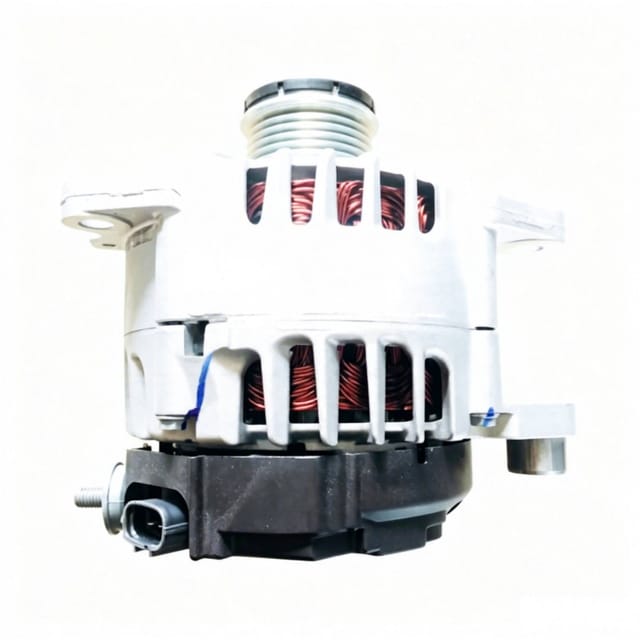
Valeo Alternator 12V 120A for Nissan X-Trail (23100-2DZ0A)
- OE / cross-reference: 23100-2DZ0A · 231002DZ0A · 23100JA02A · 23100JA02B · 23100JA02C · 23100JA04A · 23100JA04C · 23100JA04D · 2609555 · 2609555A · 2650364A · 2650364B · 442213 · 849054 · TG11S092 · TG11S102 · TG11S110 · TG12C032 · TG12C116 · TG12S217 · 11258N · 11458R · 11567N · 301N20339Z
- Valeo brand line
- New condition · inspected before dispatch
PriceUS$94.99-100.99
Minimum order 2 pieces
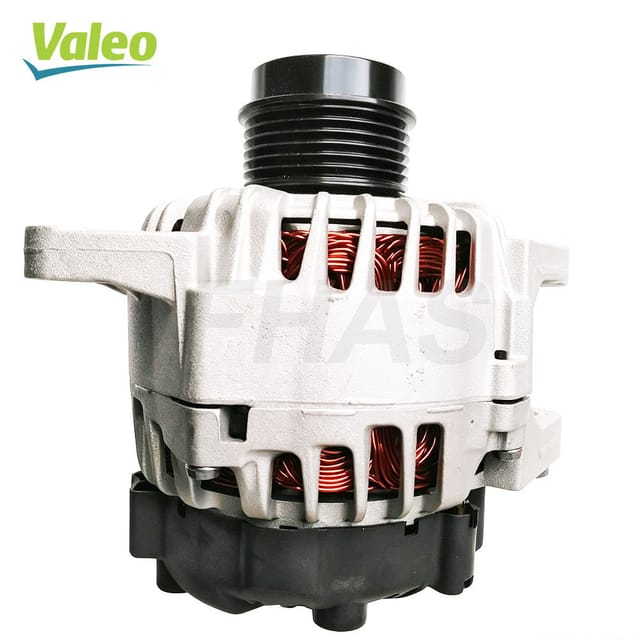
Valeo Alternator 12V 120A for Hyundai ix35 (37300-2B860)
- OE / cross-reference: 37300-2B860 · 442280
- Valeo brand line
- New condition · inspected before dispatch
PriceUS$107.99-112.99
Minimum order 2 pieces
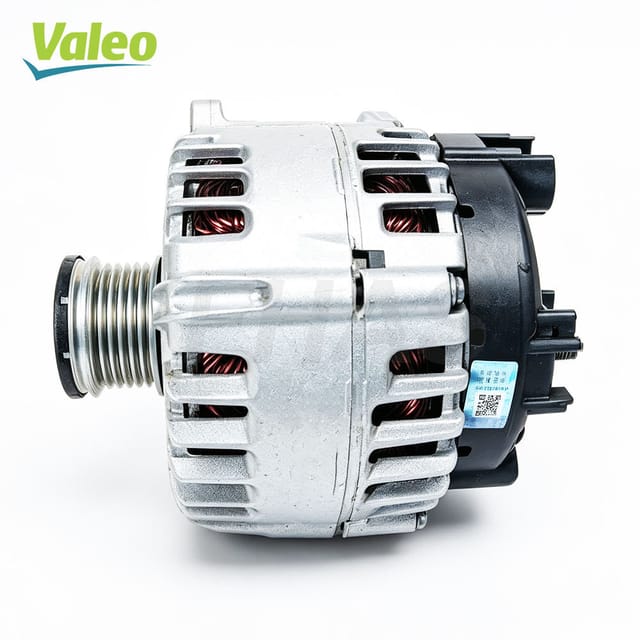
Valeo Alternator 12V 140A for Volkswagen Octavia (04E903023C)
- OE / cross-reference: 04E903023C · 04C903023C · 04E903024Q · F000BL08C8 · 115916 · 116193 · CAL10549 · CAL10549AS · 8EL012241201 · 04C903021A · 04C903021AX · 04C903023K · 04C903023KV · 04C903023KX · 04C903023LV · 439975 · 440475 · TG14C046 · TG14C049 · TG14C071 · TG14C083 · TG14C094 · TG14C103
- Valeo brand line
- New condition · inspected before dispatch
PriceUS$96.99-104.99
Minimum order 2 pieces
What an Alternator Replacement Costs
Cost varies more than most buyers expect, and any figure quoted without knowing the vehicle is meaningless. Alternator replacement cost is driven mainly by output rating and fitment: a compact car's low-output unit is a different proposition from a commercial vehicle's high-amperage one, and OE-matched parts sit above generic equivalents. Within a given fitment, alternator cost rises with amperage, mounting complexity, and whether the unit is new, remanufactured, or rebuilt from a core — making alternator price a specification question, not a brand one.
| Cost driver | Why it moves the price |
|---|---|
| Output rating | More copper, larger housing, heavier regulator |
| Fitment complexity | OAD pulleys and connector layouts add parts |
| New vs. remanufactured | A remanufactured unit reuses the core |
Most buyers arrive with one of three versions of the same question: how much is an alternator, how much to replace an alternator, or the all-in replacing the alternator cost. They are not the same number: a part-only figure, a labour quote and a fitted total are three different things.
So how much does an alternator cost in practice? Make sure every figure covers the same scope. A cost to replace alternator quoted for a generic part does not compare with an alternator repair cost for an OE-matched unit, and how much alternator replacement bills you for depends more on engine bay access than on the part. The cheapest option is rarely the cheap alternator; it is the one that does not need fitting twice.
Tools and Materials
Nothing on this list is specialist: the tools to change an alternator and the tools to remove alternator come down to the same ordinary hand tools on almost any modern engine bay.
- Socket set with extensions and a breaker bar
- Torque wrench
- Digital multimeter
- Belt-tensioner or serpentine-belt wrench
- Jack and axle stands
- Safety glasses and gloves
- OE-correct replacement alternator
- New drive belt (if worn)
Suggested Alternator Options
These are references from our own stock. We recommend our own parts rather than a third-party equivalent, and every reference is matched by OE number before dispatch — not picked by appearance. Send us the OE number, or a photo of the label on the old unit, and we will confirm the fitment before you commit.
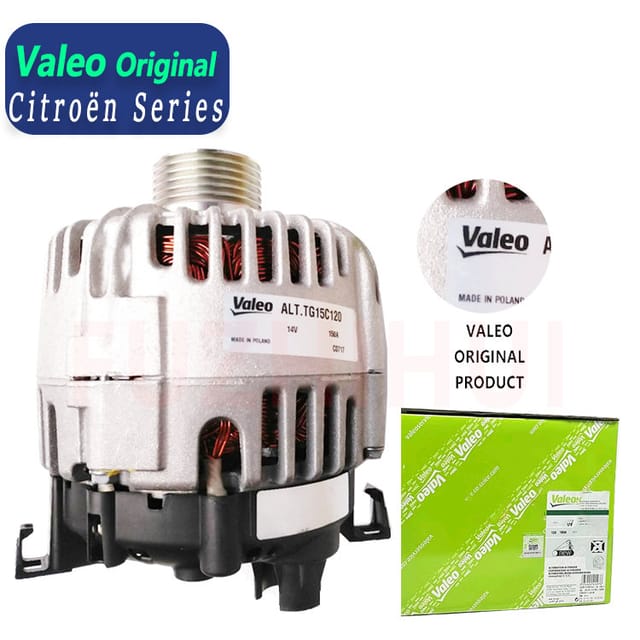
Valeo Alternator 12V 150A for Citroen (ALV0201DD)
- OE / cross-reference: ALV0201DD · ALV0201UX · 5702H6 · 5705JX · 439634
- Valeo brand line
- New condition · inspected before dispatch
PriceUS$135–140
Minimum order 1 piece
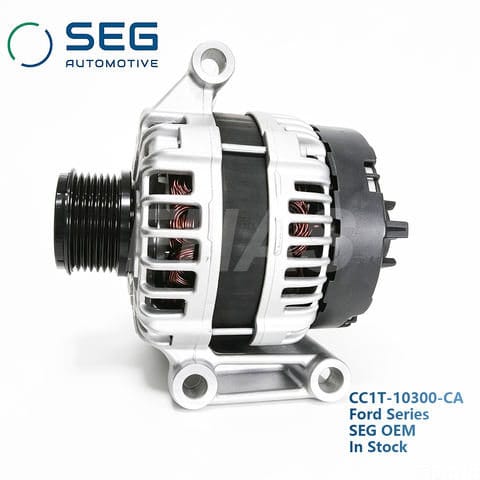
SEG Alternator 12V for Ford Ranger / Transit
- SEG brand line
- New condition · inspected before dispatch
PriceUS$107.99–116.99
Minimum order 2 pieces
How to Replace Your Alternator

On most vehicles this is a single-session job. The sequence below suits a first attempt, but it is the order an experienced technician follows — so whether you are replacing alternator hardware for the first time or have done a vehicle alternator replacement many times, follow it in sequence. It also covers how to change an alternator safely and how to replace alternator parts without breaking clips. Work on a cold engine, level ground, brake set.
Steps 1–3 — Prepare the Vehicle
Put on safety glasses and disconnect the negative battery terminal first: on most alternators the heavy B+ stud stays live, so isolating the battery now prevents an arc later. Remove any cover blocking access and note the belt routing.
Step 3a — Visual Inspection Before You Remove the Belt
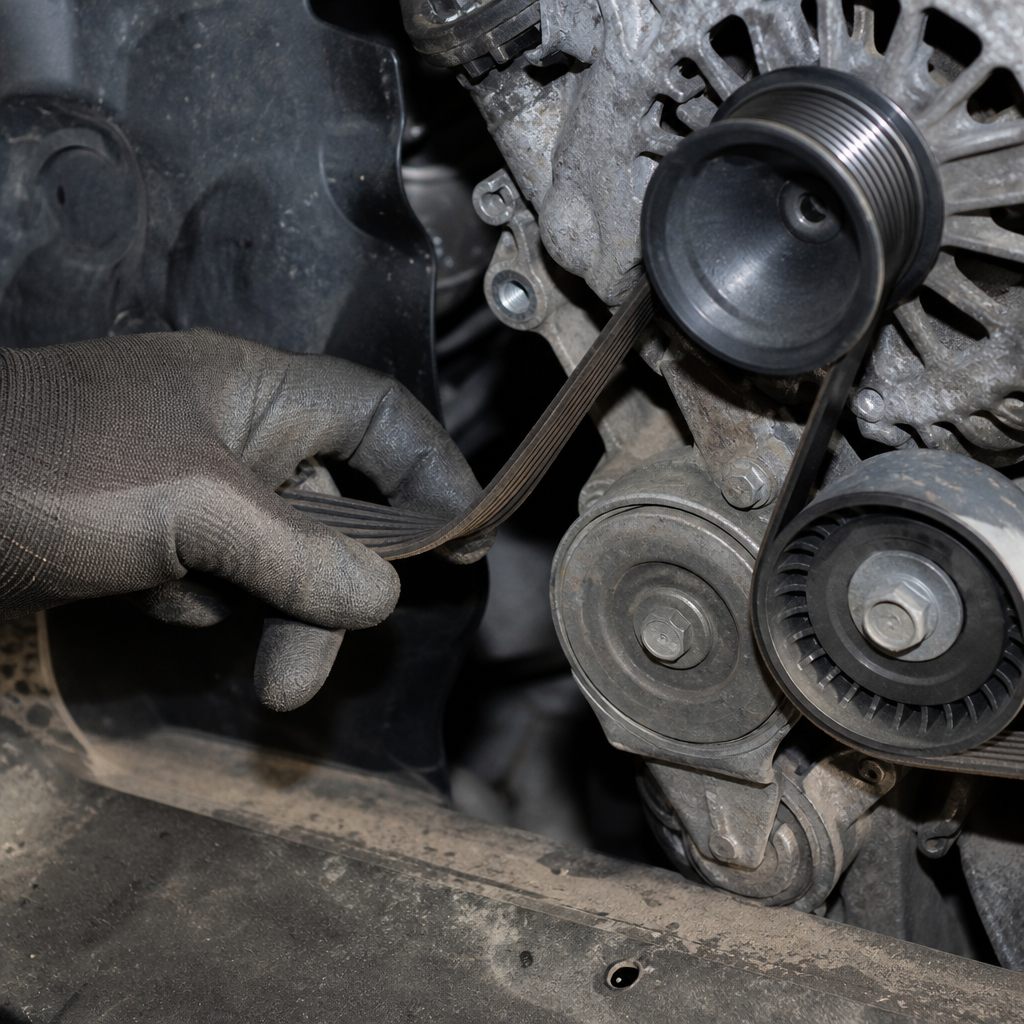
With the belt still fitted, check for glazed or cracked ribs, a frayed edge, or a belt riding off the pulley, and confirm the tensioner is within its travel mark.
Steps 4–5 — Remove the Belt and Disconnect the Wiring
Release tension and slip the belt off the pulleys. Then unplug the regulator connector and undo the nut on the B+ stud.
Step 3b — Spin-Test the Tensioner and Idler Pulleys
Most DIYers skip this. With the belt off, spin each tensioner and idler pulley by hand and replace any that feels rough, rumbles or shows play — a seized idler will destroy a new belt.
Steps 6–7 — Remove the Old Alternator and Compare It with the New One
Remove the mounting bolts and bracket and lift the unit out. Compare old and new: pulley type, pulley diameter, amperage and connector.

Steps 8–9 — Install the New Alternator and Reassemble
Torque the mounting bolts to spec (about 10 minutes), reconnect the B+ cable, then the regulator plug (about 5 minutes). Refit the belt, set tension, and reconnect the negative terminal last (about 15 minutes).
Alternator Belt and Serpentine Belt: What to Check
The alternator is driven by the accessory belt, so alternator belt condition and belt condition are the same inspection. A worn alternator serpentine belt slips under load and produces exactly the dim-light symptom a failing unit does. Serpentine belt replacement is technically separate, but if the belt is glazed, cracked or frayed and access is open, do it now.
With the belt off, check the belt itself, the alternator belt tensioner, and the routing against your notes. A serpentine belt car job should also cover the serpentine belt pulley and any rough idler. If a listing reverses the words and calls it a belt serpentine, the part is identical — match it by OE number.
Common Mistakes
| Mistake | Why it hurts | Do this instead |
|---|---|---|
| Leaving the negative terminal connected | The live B+ stud can arc against the body | Disconnect it first |
| Skipping the tensioner and idler check | A worn pulley shreds the new belt | Spin-test every pulley |
| Reusing a solid pulley on an OAD application | Chirp, vibration, early failure | Match the OE pulley type |
| Mixing amperage or connector types | Undercharging or no charge | Order by OE number |
| Ignoring battery registration | The system misreads state of charge | Register or relearn it |
Post-Installation Testing and Troubleshooting
Recheck across the terminals: you want the same 13.5–14.5 V under load. Confirm the warning light goes out, then re-check belt tension. If the light stays on or the belt chirps after changing alternator units, recheck the connector, B+ torque and pulley match before blaming the unit.
Alternator Wiring, Connections and the Voltage Regulator
Most charging faults turn out to be electrical rather than mechanical. On older vehicles the voltage regulator is a separate box on the body; on anything modern it is built into the unit, where the alternator voltage regulator may also be managed by the engine computer — which is why a voltage regulator alternator setup is not interchangeable between generations. A failed regulator normally shows as overcharging or undercharging rather than a dead circuit, and the same part may be sold as a voltage regulator, a car voltage regulator, or abbreviated to volt reg.
When you reconnect, work from the alternator wiring connections rather than the colours of the old loom. The B+ stud takes the heavy cable, the regulator connector carries the control circuit, and the alternator electrical connector and alternator diode plate must match the replacement. For an alternator wiring diagram, use OE service data for your model rather than a generic image online. Be equally careful with the popular one wire alternator conversion, often sold as a 1 wire alternator or single wire alternator: it removes the control circuit, so a GM 1 wire alternator swap will not suit an ECM-managed charging system.
Other Parts
| Part | Why it matters | When to replace |
|---|---|---|
| Drive belt | Slips under load when worn | With the alternator, if cracked |
| Tensioner and idler pulleys | Keep the belt aligned and loaded | If they rumble or show play |
| Voltage regulator | Sets charging voltage within range | If output is over or under spec |
| Alternator pulley | Transfers drive; must match OAD or solid type | Whenever the unit is replaced |
| Battery | Stores the charge the alternator makes | If it fails a load test |
FAQ
Why did my new alternator fail?
Wrong fitment (amperage, connector, or pulley type), an underlying fault such as a weak battery or failed ground that overloads the new unit, or a skipped battery registration on a smart charging system.
How much does an alternator replacement cost?
Output rating, fitment, and whether the unit is new or remanufactured set the part price; booked labour sets the rest. Any fixed figure quoted without those details is unreliable.
How long do alternators last?
There is no fixed service interval. How long alternators last depends far more on duty than mileage: a unit buried low in a hot engine bay, or one repeatedly recharging a flat battery, ages much faster. We treat voltage checks as the service interval, which answers how long does an alternator last better than any single figure.
Is a rebuilt alternator as good as new?
A competently rebuilt unit with new bearings, brushes and a new regulator performs like a new one.
Can I drive with a bad alternator?
Only as far as the battery alone carries you, with minimal electrical load. The engine will stop once the battery drains.
Should I replace the belt at the same time?
Yes, if it shows any wear. Access is already open, and a new belt protects the new alternator.
Related parts
Units from our range. Send an OE number and we will check fitment before quoting.
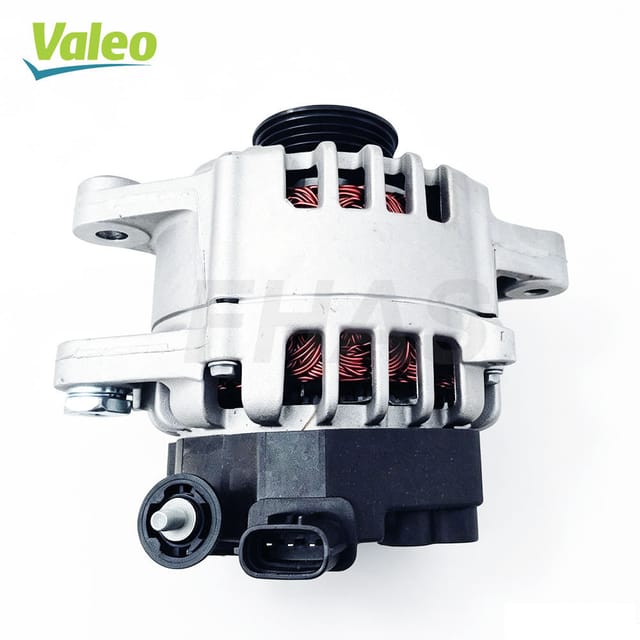 Valeo Alternator 12V 90A for Great Wall Florid (3701100-EG01)
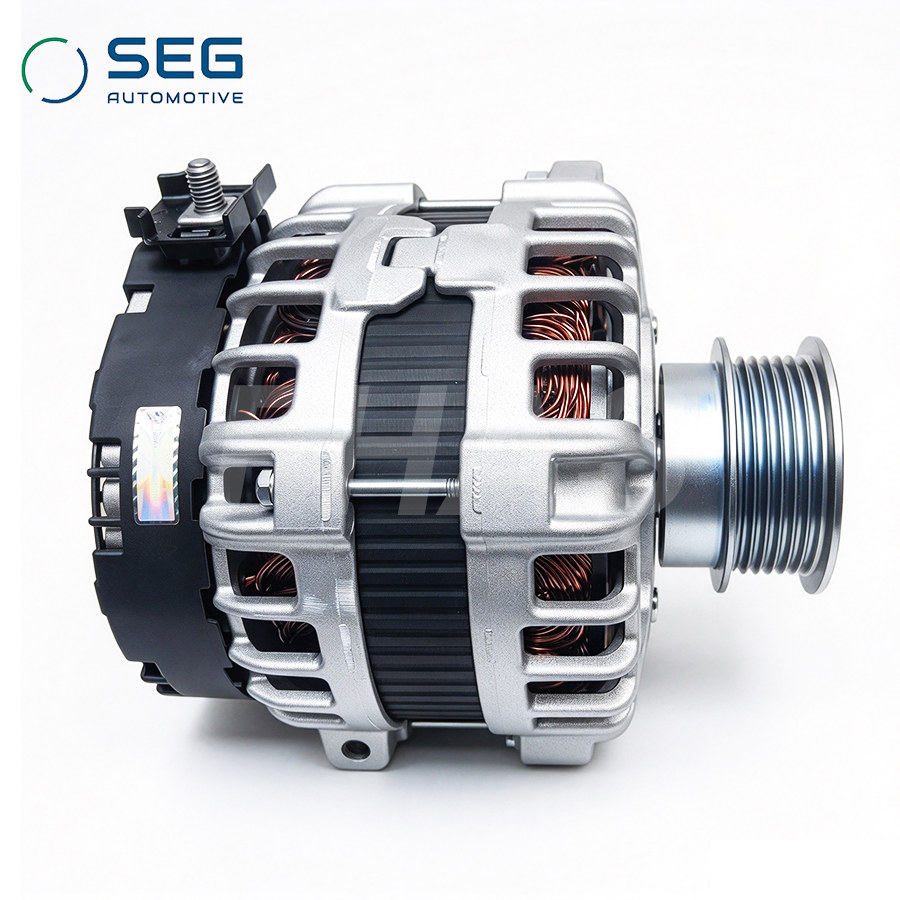 SEG Alternator 12V for Volvo XC60 2.0T Repair (30644945)
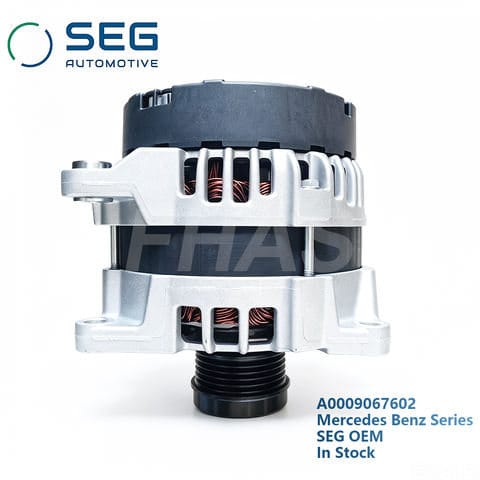 SEG Alternator 12V for Mercedes-Benz B200 W246 — 443394 / 20741N
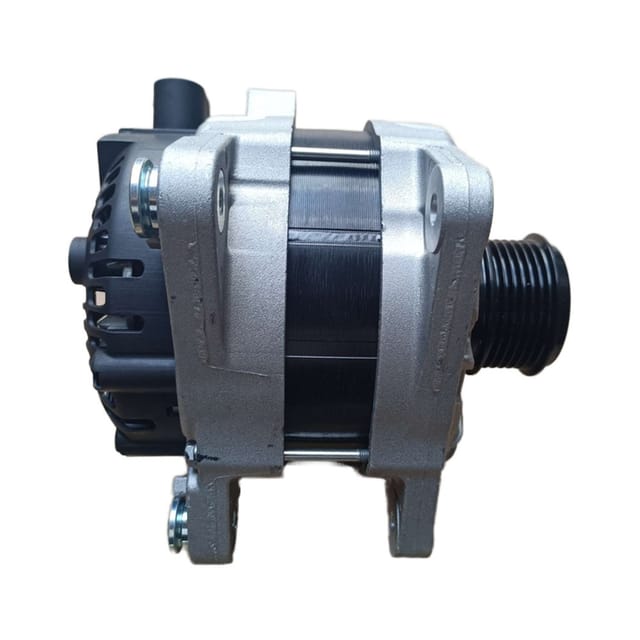 Alternator 14V 150A for SAIC Maxus (TG15S276)
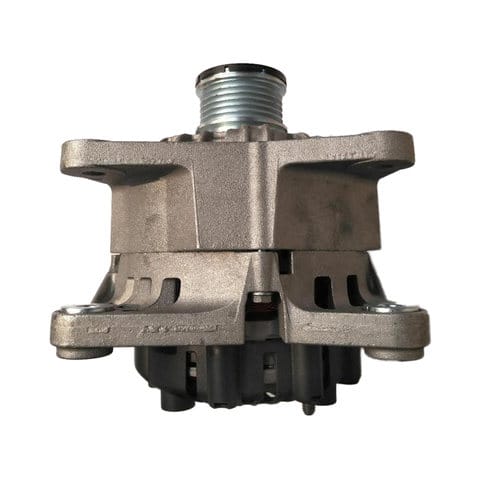 Alternator 14V 110A for Nissan
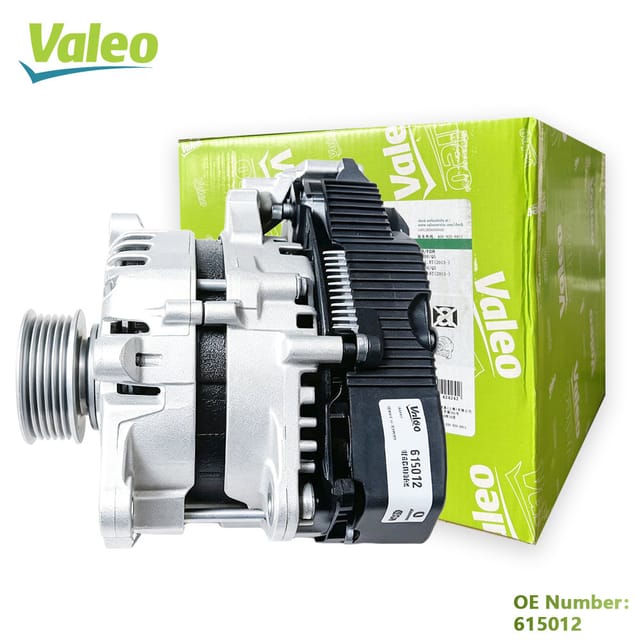 Valeo Alternator 48V 250A 6PK for Audi VW Golf (615012)
Have a part number to price?
Send it over with the quantity and destination. You will get a fitment check, a unit price and a freight cost — usually the same business day.