
This page is written for one specific moment: you are standing next to a car that will not start or that keeps going flat, you have a multimeter in your hand, and you want to avoid buying the wrong part. You will not decide this from a symptom list, because the two faults feel nearly identical from the driver's seat. Whether you arrive with a bad alternator or battery already in mind, the order of tests does not change: resting voltage, cranking voltage, charging voltage under load, and voltage drop across the ground and cable paths.
In short
Measure before you buy anything. A rested battery should sit near 12.6 V; with the engine running the charging system should hold about 13.5–14.5 V. Low resting voltage with normal charging voltage means the battery. A voltage-drop test on the grounds explains most "new alternator, same fault" cases.
Start With the Battery at Rest

Before the engine turns over, the battery tells you what it can store. A fully charged 12 V lead-acid battery settles near 12.6 V, because it is six cells in series and each healthy cell rests at about 2.1 V. From there the curve is roughly linear: about 12.4 V is three-quarters charged, about 12.2 V is half, about 12.0 V is a quarter. Those figures move with battery chemistry and temperature, but the shape holds.
Take the reading at least an hour after the last drive or charge. Immediately after charging you are reading surface charge rather than the battery's real state of charge, and it will flatter a tired battery by several tenths of a volt. If you cannot wait, switch the headlights on for a minute to strip the surface film, then let the battery settle before measuring.
This is also where the signs of a bad car battery vs alternator begin to separate, and where how to tell if its the battery or alternator stops being a guess, because the two faults divide on the resting number rather than on the symptom. A battery that reads low at rest but charges normally once the engine runs has a storage problem. A battery that rests healthy is at least holding what it is given, so the fault is probably on the charging side — but trip length and ambient temperature both move these numbers, so how to know if your alternator or battery is bad on your own car comes down to the pattern rather than to one reading.
Read the Charging Voltage With the Engine Running
Start the engine and read the same two posts again. A conventionally regulated charging system lifts the battery to roughly 13.5–14.5 V. That band is not arbitrary: the regulator has to exceed the battery's open-circuit voltage by enough to push current into it, yet stay below the point where a flooded lead-acid cell begins to gas and lose water, which is why charge voltages cluster under about 14.8 V.
Now hold the engine at a fast idle with the headlights, blower, and rear defroster running, and read it again. The voltage should stay in band under that combined load. A reading that sags toward resting voltage while the loads are on means the charging system cannot keep up with demand. A reading above about 15 V means the regulator has lost control and is cooking the battery rather than charging it — and if you find that, expect the battery to be damaged as well as the regulator. Under full load, how to tell if alternator or battery is bad reduces to one comparison: is the charging figure still meaningfully above the resting figure you took before you started?
One caveat matters here, because it misleads a lot of people. On vehicles with computer-managed charging, the target voltage moves with battery temperature and state of charge, and the system may deliberately hold around 12.5–13 V on a full battery. The 13.5–14.5 V band describes conventional regulation; whether a particular car follows it depends on its model year and charging strategy, so check that vehicle's service data before calling a smart-charging system faulty.
| Reading | What it points to | Next step |
|---|---|---|
| Rest ≈12.6 V, charging ≈13.5–14.5 V | Both parts behaving | Look for a drain or a loose connection |
| Rest low, charging in band | Battery is not storing | Load-test the battery |
| Rest healthy, charging low under load | The charging system is short | Test cables and grounds, then the unit |
| Charging above ≈15 V | Regulator lost control | Expect battery damage too |
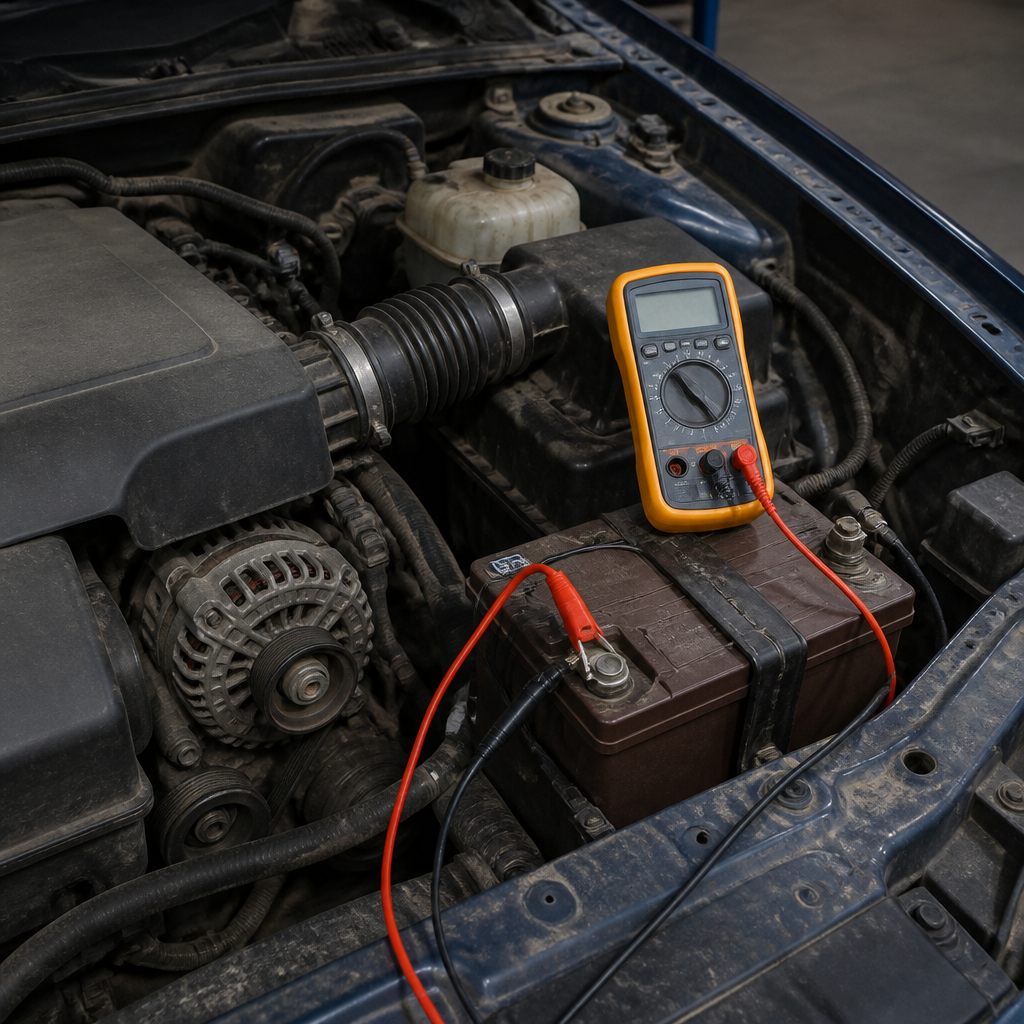
Watch the Voltage While You Crank
The reading during cranking is the one most people never take, and it is the most useful number in the set. While the starter draws its current, system voltage will fall — that is expected — but many service specifications put the floor near 9.6 V at room temperature for a 12 V system. A drop well below that figure means the battery cannot deliver its rated current, the cables are resisting it, or both are true at once. The exact limit varies by vehicle and by battery rating, so treat the figure as a rule of thumb and confirm it against the vehicle's data where you can.
Cold changes the arithmetic. A battery asked to crank at 0 °C delivers noticeably less current than the same battery at 20 °C, so a slow crank on a frosty morning may be a temperature effect rather than a failing part. On a car that turns over reluctantly when it is cold, this is the reading that answers how do you know if alternator or battery is bad without dismantling anything. A cranking reading that recovers immediately once the engine catches tells you the battery had the capacity to do the job — so when the volts collapse but the engine still runs, you are usually looking at a charging or connection fault rather than a battery at the end of its life.
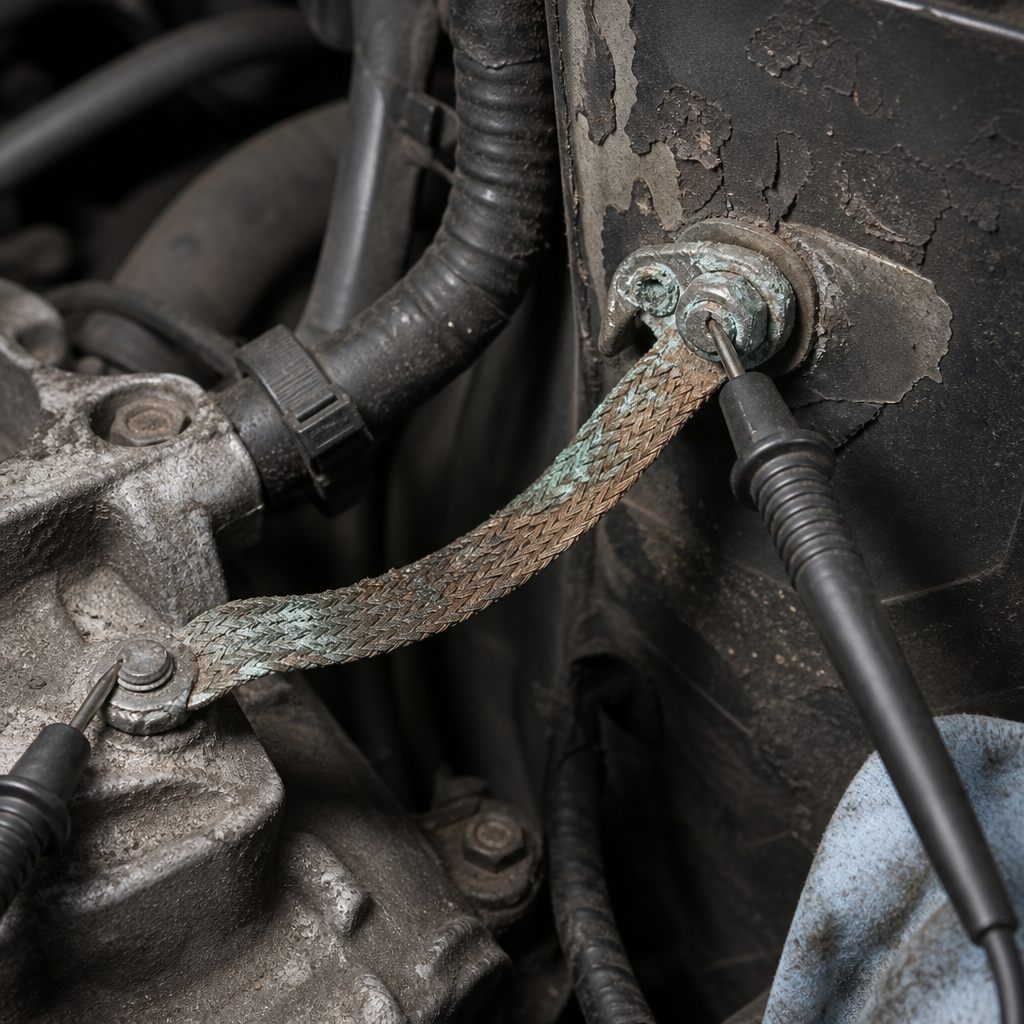
If the cranking number is low on a battery that is nearly new, do not assume the battery: a loose terminal or a corroded ground strap produces an identical reading at a fraction of the cost to fix.
Test Voltage Drop on the Ground and Cable Paths
Voltage drop is the test that separates a technician from a parts fitter, and it is the shortest route to explaining symptoms of a bad alternator with a new battery. The method is simple: while current flows through a path, measure the voltage lost across it, because a healthy path loses almost nothing. Reading alternator vs battery symptoms off the dashboard gets you nowhere here, since the dashboard is the last thing to change.
With the engine running and the lights and blower on, put one probe on the alternator case and the other on the battery negative post to read the ground-path drop. Then measure from the alternator's output stud to the battery positive post, which is the positive-side drop. Service literature commonly allows only a few tenths of a volt in total across either side, and many specifications are tighter still; a reading approaching half a volt is already too much. That is why some alternators cannot push current into a battery no matter how new or expensive they are.
The reason this matters is that the alternator regulates against the voltage it sees at its own output, not the voltage at the battery posts. If the ground path is corroded, the unit can be charging perfectly while the battery stays undercharged — and a replacement unit will behave exactly the same way, which is the answer to how do you know if battery or alternator is bad when the meter insists both are fine. Resistance also rises with heat, so a marginal ground can measure acceptably on a cold engine and fail once the engine bay reaches operating temperature. For anyone trying to work out how to know if alternator is bad or battery when both parts have already been replaced once, this measurement is usually the answer.
Why a New Alternator Sometimes Changes Nothing
When a replacement unit does not fix the fault, the cause is usually one of five things. The battery is sulfated from months of chronic undercharging: it accepts a surface charge and then sheds it, dragging a healthy alternator down with it. A ground or cable is still resisting, as above. The vehicle needs the new alternator registered or its charging strategy relearned, and until that is done the system misreads state of charge. The original unit was never the fault. Or the fault was mechanical — a slipping belt or a failed decoupler on the alternator pulley spins the alternator too slowly to make current. Lists of bad alternator vs bad battery symptoms stop at the symptom level, which is precisely where they stop being useful: symptoms tell you something is wrong, never which of these five causes you are facing.
The reasons for alternator failure are usually mundane rather than dramatic. Heat ages the regulator, brushes wear down, a rectifier diode fails, a bearing reaches the end of its life. None of that is visible from outside, and none of it is repaired by recharging the battery.
A failed rectifier has one behavior worth knowing, because it answers a question that comes up in almost every one of these conversations — will a bad alternator drain your battery? It can. When a diode fails, current leaks back through the alternator while the car is parked, so the battery goes flat overnight with nothing switched on. The way to see it is a parasitic draw test taken with the alternator out of the circuit: if the draw disappears once the unit is disconnected, the unit is the drain.
There is a further consequence that most guides leave out. A battery that is chronically undercharged sulfates, and a sulfated battery presents a low-resistance load that makes the alternator work at high output far more often than it was designed to. That is why a weak battery and a failing alternator so often arrive together. Fixing only the alternator or only the battery leaves the other one to fail again, which is the practical form of the alternator or battery issue that brings people back a month later. It is also the difference between diagnosing the fault properly and answering how to know if my battery or alternator is bad by buying parts until one of them works. Once the readings do point at the alternator, fitment decides whether the replacement lasts: our stock covers OE-matched alternators from Valeo, SEG, and Halla through official channels, with pure copper windings and OEM specification, listed by amperage rating and pulley type.
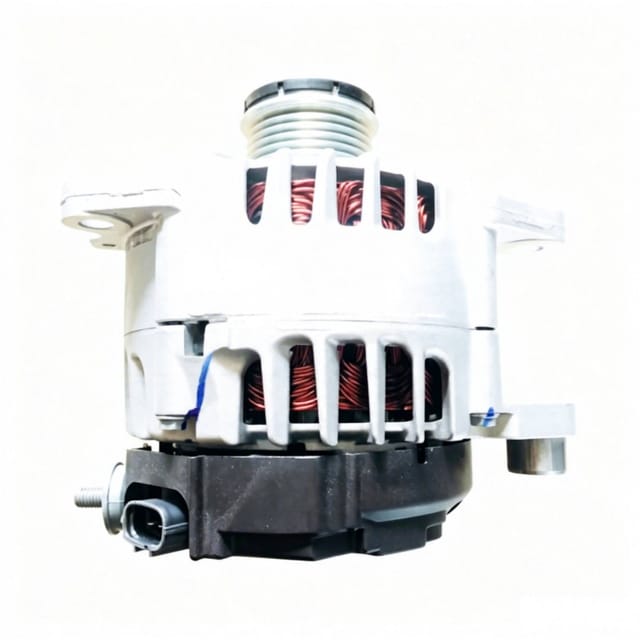
Valeo Alternator 12V 120A for Nissan X-Trail (23100-2DZ0A)
- OE / cross-reference: 23100-2DZ0A · 231002DZ0A · 23100JA02A · 23100JA02B · 23100JA02C · 23100JA04A · 23100JA04C · 23100JA04D · 2609555 · 2609555A · 2650364A · 2650364B · 442213 · 849054 · TG11S092 · TG11S102 · TG11S110 · TG12C032 · TG12C116 · TG12S217 · 11258N · 11458R · 11567N · 301N20339Z
- Valeo brand line
- New condition · inspected before dispatch
PriceUS$94.99-100.99
Minimum order 2 pieces
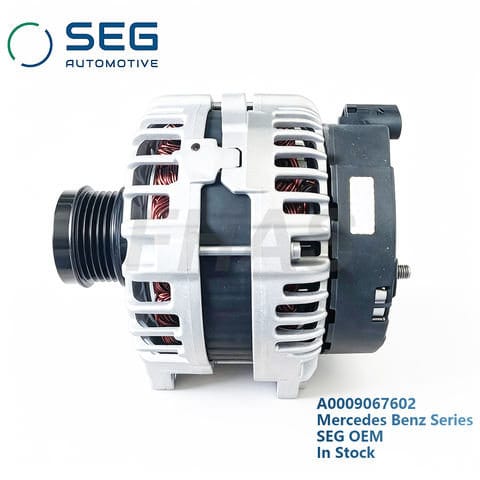
SEG Alternator 12V for Mercedes-Benz B200 W246
- SEG brand line
- New condition · inspected before dispatch
PriceUS$137.99–145
Minimum order 1 piece
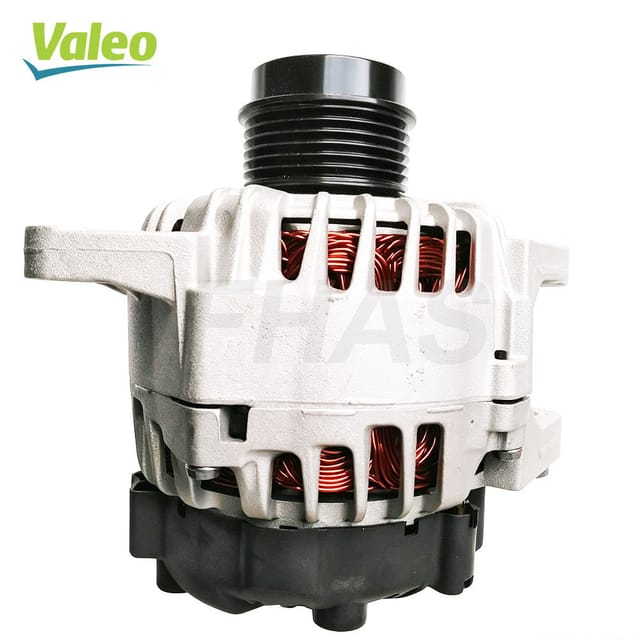
Valeo Alternator 12V 120A for Hyundai ix35 (37300-2B860)
- OE / cross-reference: 37300-2B860 · 442280
- Valeo brand line
- New condition · inspected before dispatch
PriceUS$107.99-112.99
Minimum order 2 pieces
FAQ
How to tell if battery or alternator is bad when the engine will not turn over
Charge the battery, then take the resting reading. If it is low and drops again within a day, the battery is not storing. If it recovers to near 12.6 V but the engine still cranks slowly, measure voltage drop on the cables and grounds before you look at the alternator at all.
How to determine if battery or alternator is bad after a jump start
A jump start proves the battery was discharged, not why. Once the engine is running, read the charging voltage under load. In-band charging means the alternator is fine and the battery was either not being charged on your normal trips or is no longer holding what it is given.
How to know if battery or alternator is bad when the car sits for a week
A battery that is fine every morning and flat after a week is usually seeing a parasitic drain rather than a failing battery or alternator. Measure the draw at rest, then repeat with the alternator disconnected to see whether a leaking diode is the cause.
How to tell if your battery or alternator is bad when the battery light comes on
Read the charging voltage immediately. A steady light with charging near resting voltage means the system is not charging. A light that glows faintly and disappears with revs points to a slipping belt rather than a dead unit.
How to tell if my battery or alternator is bad in freezing weather
Check the resting voltage before you crank, not after. Cold reduces what a battery can deliver, so a low cranking reading on a cold morning is not proof of a failing battery. A battery that rests low at 0 °C and healthy at 20 °C is telling you about temperature, not about capacity.
How do you know if alternator is bad or battery when the volts drop at idle
Load it. Switch on the blower, lights, and defroster and watch the reading at idle. A system that holds voltage under that load is charging; one that needs revs to recover is short of output, and the fault is upstream or inside the unit rather than in the battery.
How to tell if alternator is bad or battery when the car dies while driving
This is one of the few genuinely urgent cases. If voltage falls while the engine runs, the charging system is not supplying the ignition and the car will stop once the battery is exhausted. Limit electrical loads and reach a workshop rather than driving on.
What is signs of a bad car alternator vs. battery that people get wrong
The most common mistake is treating a symptom as a diagnosis. The signs of a bad alternator vs battery overlap so heavily — dim lights, a slow crank, a warning lamp — that a symptom list cannot separate them. Only the readings can, and they cost nothing but time.
Related parts
Units from our range. Send an OE number and we will check fitment before quoting.
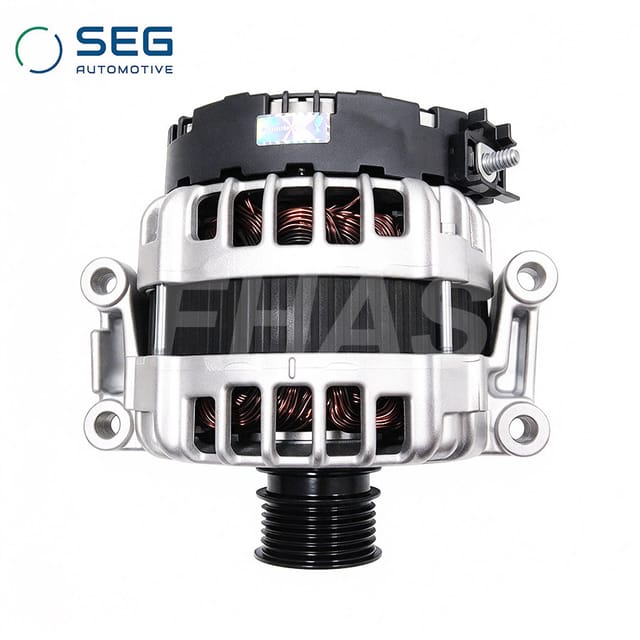 A0131540502 SEG Car Alternator 12V A0131549902 0121813101 A0131540502 for Mercedes-Benz S 350 W221 Alternator
 SEG Alternator 12V 210A for BMW 5 Series (12317628243)
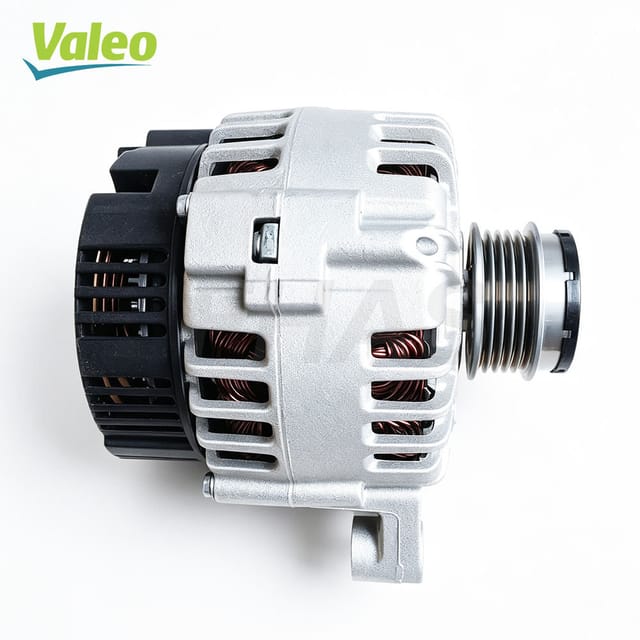 Valeo Alternator 12V 140A for Volkswagen Passat Lingyu (06B903019H)
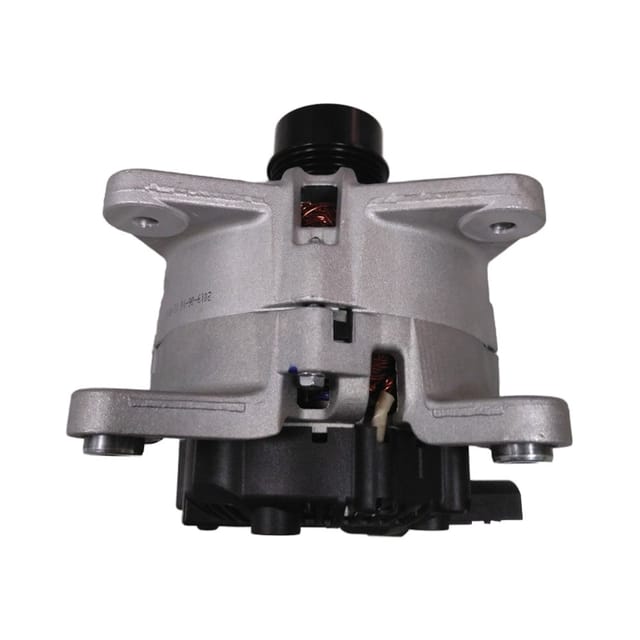 Alternator 12V 120A for Nissan Sylphy B18Z (SVES082754)
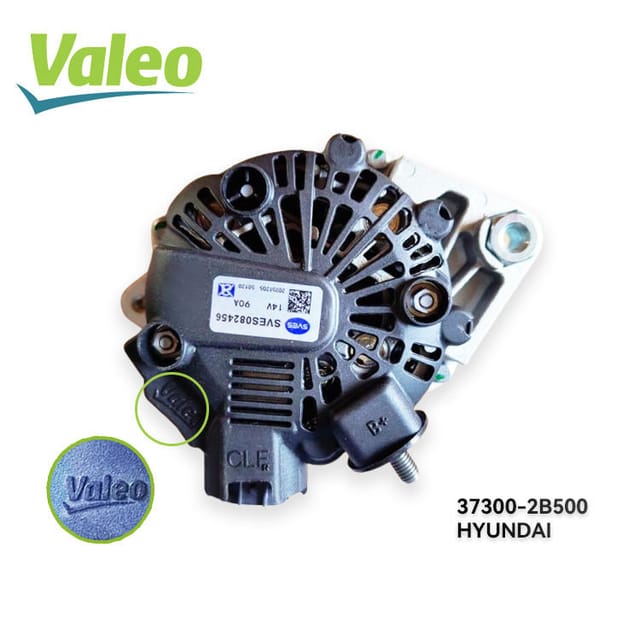 Valeo Alternator 12V 90A for Hyundai
 Alternators 12V / 48V — Valeo, SEG and JHAEM Lines
Have a part number to price?
Send it over with the quantity and destination. You will get a fitment check, a unit price and a freight cost — usually the same business day.