
A workshop installs a new 12V alternator, the battery light stays on, and the message lands in your inbox: "not charging — how do I know if my alternator is broken?" The fastest way to keep the customer quiet is to ship a replacement. That is also how a $100 part becomes a $200 loss, because the second unit fails the same way and the real fault was never in the alternator.
That story is common. In one case the charging system came back to life after a corroded ground strap was cleaned — no replacement needed, two weeks and a shipping cycle saved.
Delivery is not the end of the transaction. What happens after installation decides whether the account is profitable, and whether the workshop trusts you the next time it has to choose a supplier.
In short
Triaging the charging system first, then submitting one complete evidence pack, costs less than shipping a replacement. A mishandled claim costs about twice the purchase price; handled once, it costs the part plus a test.
Key points
- A mishandled claim costs about twice the purchase price; at 1,000 units a month and 2% failure, that is roughly $48,000 a year.
- "Not charging" is a charging-system complaint, not a diagnosis. Check battery, cables, ground, belt and tensioner first.
- A claim is approved on four evidence groups, not on a photo of a broken part.
- Warranty terms belong in the PO and the PI, not in a conversation after the failure.
- Score a supplier's after-sales capability on six items; below four, look for an alternative source.
1. What a failed claim actually costs
Take a unit bought at $100. If the claim is handled without triage, the invoice does not stop at the purchase price.
| Cost line | USD | Running total |
|---|---|---|
| Purchase cost | 100 | 100 |
| International freight | +35 | 135 |
| Local labour and testing | +30 | 165 |
| Return or reshipment | +20 | 185 |
| Credit to the workshop | +15 | 200 |
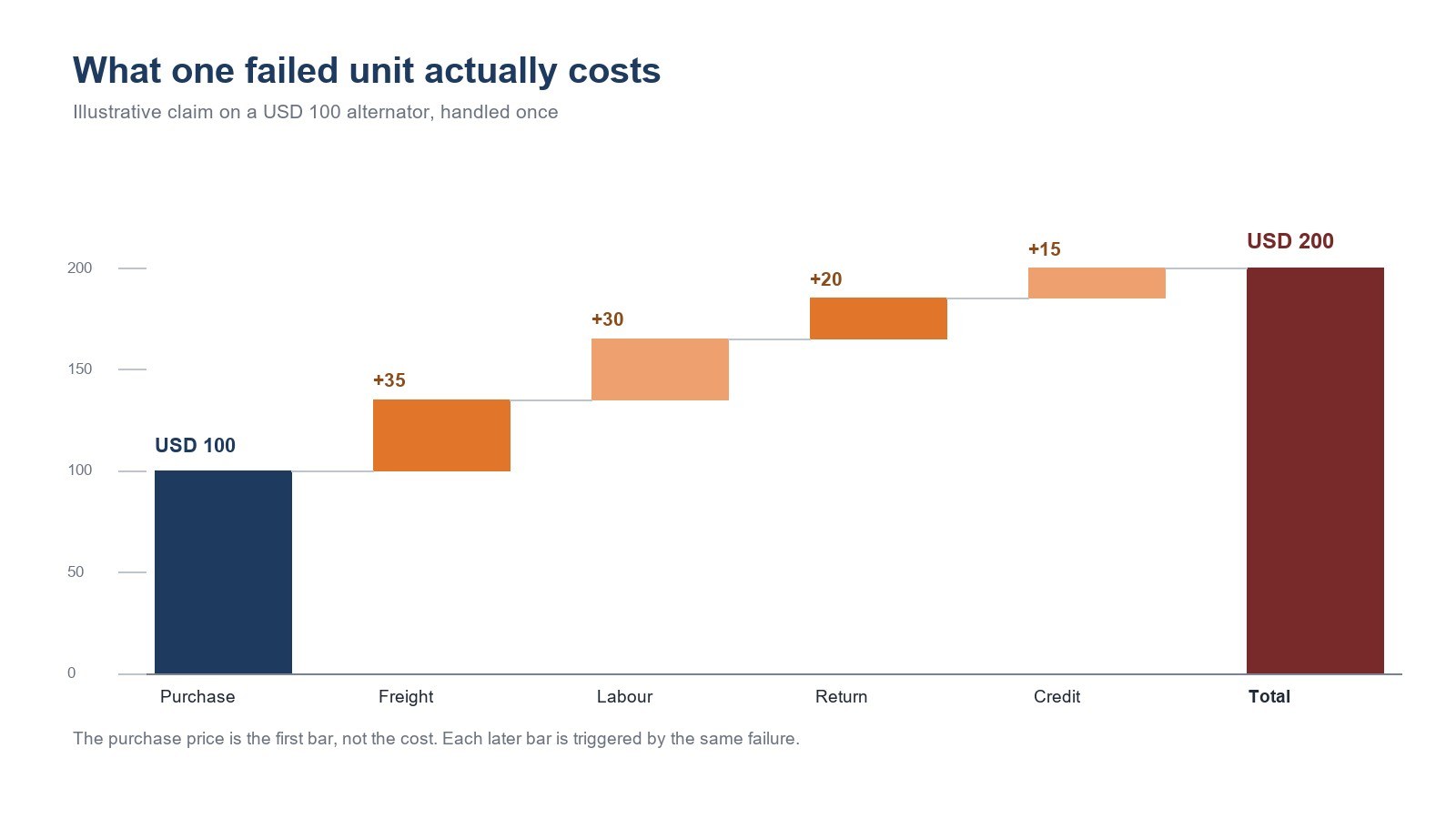
At scale the number stops being anecdotal: 1,000 units a month, a 2% claim rate, $200 per case gives 1,000 × 12 × 2% × 200 = $48,000 a year. That is before the cost that never appears in a ledger — a workshop that has had three bad experiences buys from someone else.
Purchase price sets what you pay. Claims handling sets what the part actually costs you, so the total cost of a claim belongs in the landed-cost sum, not in a separate budget line.
2. Triage first: three complaints, one alternator
An alternator is one component in a charging system that also includes the battery, the cables, the ground path, the drive belt, the tensioner and the vehicle's control module. Many alternator issues start outside the housing, so the first question is not "how to know if alternator is bad" — it is whether anyone tested the rest of the system.
Symptoms of bad alternator vs. a bad ground. The three complaints below account for most claims, and each has a non-alternator cause that has to be excluded first.
"It is not charging"
A battery light at idle, a battery that will not hold charge, or a measured output below specification. Car alternator problems of this shape usually begin at the battery, the positive cable or the ground: a tired battery, a loose terminal or a corroded strap produces exactly the same complaint. The quick sequence is a static battery reading, a running voltage reading, then a visual check of the connector, the output cable and the ground.
Voltage too high or unstable
Readings that swing, lights that brighten and dim, or a charging warning on the dash. Vehicle alternator problems of this shape are often regulation or communication, but a weak battery distorts the readings before you ever reach the regulator. Modern cars also vary charging voltage by load, battery state and driving condition, so one fixed number is not a verdict.
Noise
Bearing rumble, a chirp on acceleration, or a rhythmic knock near the unit. When the alternator sounds bad only from cold, the bearing is the usual suspect; a squeal that follows engine speed is usually the belt or tensioner. A bad alternator sound and a bad tensioner sound are hard to separate by ear, which is why the belt has to come off before anyone commits to a replacement.
3. Ten messages workshops send, and what to check before you promise anything
Distributors rarely receive a structured fault report. They receive questions. The table below is the short version of what those questions usually mean.
| What the workshop sends | What it usually is | What to send back |
|---|---|---|
| "how do you know if your alternator is bad — battery light is on" | Battery state, ground or output cable | Static and running voltage, battery test result |
| "how do you know if your alternator is going bad? noise started last week" | Belt, tensioner or bearing | Belt-off noise check, pulley spin test |
| "how to check if your alternator is bad before we fit the new one" | No test performed yet | The seven-point check in section 4 |
| "how to tell if alternator is broken or just the battery" | Either, usually the battery | Load test, then running voltage |
| "signs alternator is bad?" | Generic request | Ask for voltage, photos, fault codes |
| "sign of alternator failing on a 2016 diesel?" | Model-specific regulation | OE number, engine code, charging spec |
| "bad car alternator signs, or is it the wiring?" | Wiring or ground | Resistance test on ground and positive path |
| "what does a bad alternator sound like at idle?" | Bearing or pulley | Recording plus pulley inspection |
| "alternator bad symptoms after three weeks of use" | Installation or fitment | Install photos, belt tension, clock position |
| "how do i know if my alternator is bad if the voltage looks fine" | Intermittent load or control | Fault codes, load test under electrical demand |
None of these messages proves a defective unit. Each of them, answered properly, produces the data that does.
4. The seven-point check before any claim
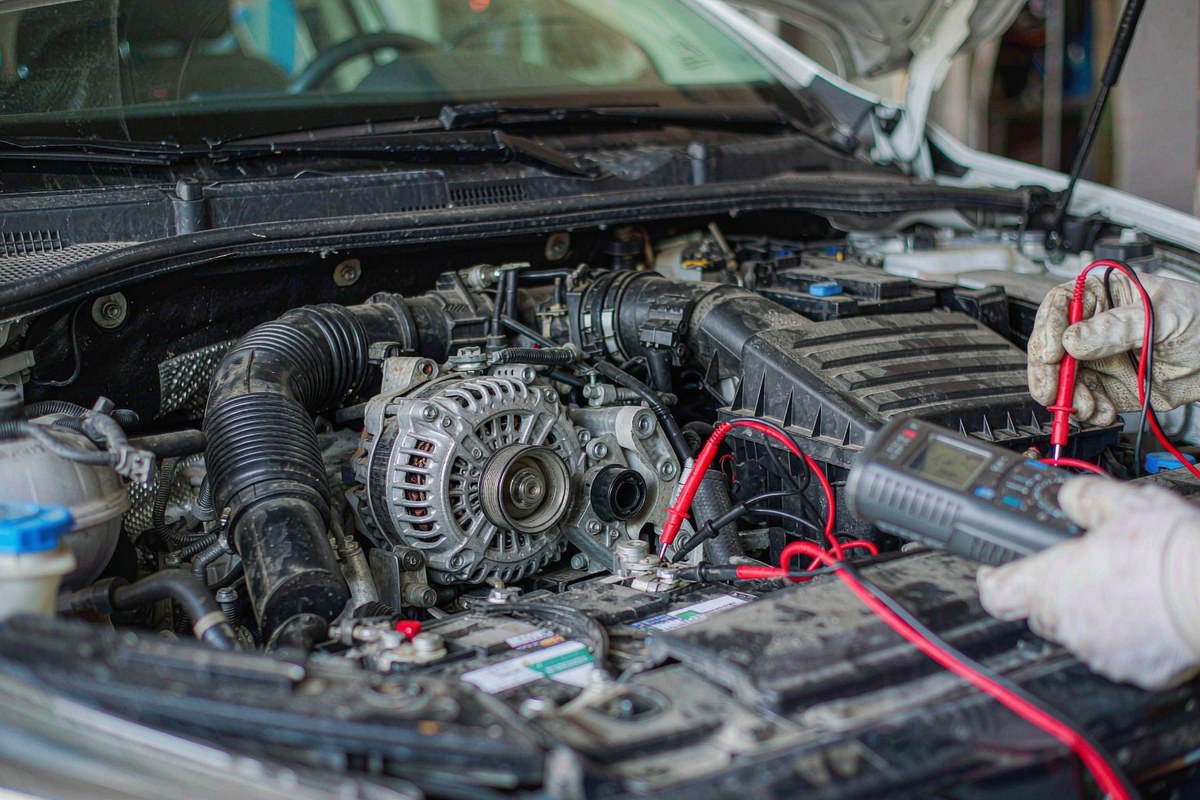
Run the seven points in order and photograph each step.
- Battery. Age, state of charge, load test result. A battery below 12.4V at rest is a suspect, not a baseline.
- Positive cable. Tightness, corrosion, voltage drop under load.
- Ground path. Engine-to-body and battery-to-body resistance. This is the most common cause of a false claim.
- Drive belt. Wear, glazing, correct routing.
- Tensioner. Spring force and pulley alignment.
- Connector. Pin count, pin condition, latch integrity, correct mating.
- Control system. Fault codes and charging strategy for that model.
For the measurement itself, a battery and alternator tester is convenient but a handheld meter is enough: how to test your alternator at rest and under load is a two-minute job, and how to check your alternator output against the model's specification is the part that decides the case. When the workshop has not done it, ask for an alternator test with multimeter results at idle and at 2,000 rpm, with the load on. Anyone can test alternator with multimeter readings in hand; nobody can argue with them.
The logic, in short: battery under 12.4V means charge or replace and retest. Battery healthy, running voltage 13.5–14.8V means the system is working and the complaint needs reproducing. Voltage low means check cables, ground and belt; if all are sound, the unit is the suspect. Voltage high or swinging means battery and control strategy before the regulator.
An alternator checker in the bay reads one number. The seven points explain it.
5. The evidence pack that gets a claim approved first time
Claims fail on missing information far more often than on bad product. Four groups, sent together, remove almost all of the back-and-forth.
Group 1 — Product and order. OE number, brand, nameplate photo, PO number, purchase date.
Group 2 — Vehicle and installation. Make, model, year, engine code, installation date, mileage at failure, any installation notes.
Group 3 — Photos and video. Full unit, nameplate, connector, pulley, damage close-up, and a short clip of the noise if the complaint is audible.
Group 4 — Test data. Battery state, running voltage, fault codes, and the technician's findings.
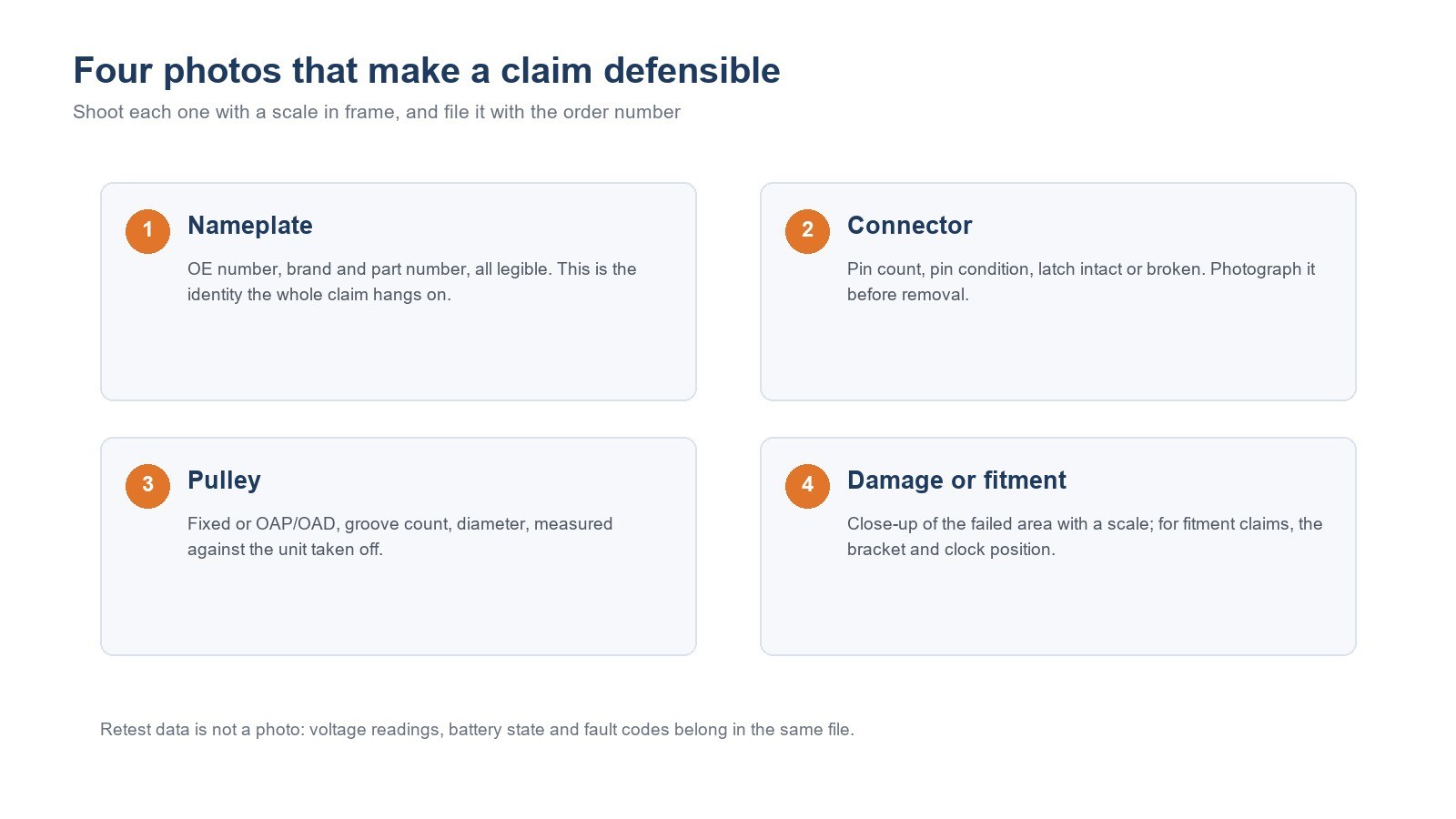
Photos support a conclusion; they do not replace one. Without voltage data and a battery result, a photo of a burnt regulator proves only that something got hot.
6. Who is responsible?
| Complaint | What to verify first |
|---|---|
| Regulator fault | Output voltage, regulator test, wiring state |
| Rectifier failure | Diode condition, external electrical influence |
| Bearing noise | Bearing play, installation, belt system |
| No charge after install | Wiring, ground, battery, output |
| Belt squeal | Belt, tensioner, pulley alignment |
| Connector mismatch | OE number, plug type, vehicle configuration |
The chain is short: exclude external causes, retest the unit itself, close the evidence loop from pre-installation photos to failure data, then assign responsibility. If the evidence is not conclusive, ask for more — do not decide early. When the complaint is a connector mismatch, the first check is whether the number on the box matches the vehicle rather than whether the plug looks similar; that comparison is OE number and cross-reference verification, done before the claim is opened.
7. Three defences before the failure
Incoming inspection. Sample 1–3% of each batch, or the AQL you agreed. Check housing, pulley rotation, connector and nameplate against the order; quarantine the batch if a pattern appears. What to look for at that stage is set out in how to evaluate alternator quality before a bulk purchase.
Storage and dispatch. Alternators are precision assemblies: no drops, no damp, no stacking. For stock older than 12 months, spin the pulley before dispatch and bench test alternator samples where you can. Verify the OE number at picking — wrong-model shipments are the one claim category that is entirely avoidable.
Installation card in the box. One card asking the workshop to check ground, connector and belt tension before fitting, and to record voltage after. It costs cents and kills most installation disputes. In this trade a meaningful share of returns come back as NFF — no fault found — and testing alternator output before shipping is cheaper than testing it after.
8. Six steps from complaint to resolution
- Report. Order number, OE number, symptom, photos. Target: within 48 hours of failure.
- Technical triage. The seven-point check, with data.
- Cause assessment. Supplier reviews the file; incomplete files get a specific list of what is missing. Target: 48 hours for a first read, 3–5 working days for a conclusion.
- Resolution. Replacement, repair, credit or another agreed remedy. Target: 2 working days after the conclusion.
- Costs. Who returns the unit, who pays freight, when the replacement ships.
- Record. Date, order, OE number, symptom, finding, liability, remedy, cost, days to close.
Review the ledger quarterly: which failure repeats, in which batch or model. That ledger is also your negotiating position at the next price review.
9. Eight warranty questions to settle before the PO
- How long is the warranty, and from which date — shipment, receipt or installation?
- What is covered, and what is excluded (installation error, external wiring, misuse)? 48V units differ here: hybrid charging systems carry their own 48V hybrid alternator sourcing terms and should be written into the same clause.
- What evidence is required for a claim?
- Must the unit be returned, and who pays the freight?
- How is the replacement shipped, and how fast?
- Are local labour or testing costs reimbursed?
- What response times does the supplier commit to?
- What happens to failed units — scrapped, returned, or analysed with a report?
The first question matters most because the start date changes the effective cover:
| Start date | Effect on the buyer | Note |
|---|---|---|
| Shipment | Common; sea freight and clearance can eat 2–6 weeks | Negotiate receipt-based terms |
| Receipt | Fairer to the buyer | Keep the signed delivery document |
| Installation | Closest to real service life | Usually requires installation proof |
10. Supplier after-sales scorecard
One year of warranty means little if nobody answers. Score one point per item:
- Accurate OE and fitment data.
- Understands regulator, rectifier, bearing and pulley failure modes.
- Can assess a case from photos, video and test data.
- Written warranty terms and a documented claim process.
- Responds and follows up within agreed times.
- Records and analyses repeat failures.
Five or six points: reliable. Four: workable, but get the terms in writing. Three or below: add or switch to an alternative supplier.
11. FAQ
When does the warranty period start?
It depends on the terms. Shipment-based cover is common but sea freight and clearance consume part of it; receipt-based cover is fairer and needs the signed delivery document; installation-based cover is closest to service life but usually requires proof. Fix it in writing before the order.
Must the failed unit be returned?
Not always. Some cases are settled on photos, video and test data. Whether it returns and who pays the freight belongs in step 5 of the claim process and in the warranty terms.
Are photos and video enough to approve a claim?
They support a conclusion, they do not replace one. Missing voltage data and battery results is one of the most common reasons a claim is refused.
How should a workshop check an alternator before calling it faulty?
Battery first, then cables, ground, belt and tensioner, then the unit. How to check an alternator properly means measuring at rest and under load, not reading the dash. If the workshop cannot test car alternator output, ask for the readings from whoever can.
What if the cause cannot be established?
Ask for more data rather than deciding. A supplier who helps analyse a case is worth more than one who simply refuses. If needed, arrange an independent check alternator assessment at a third-party bench.
12. Closing
No supplier can promise a zero-failure year. What separates a good account from a bad one is what happens after the failure: a disciplined triage, an evidence pack that closes the case in one pass, and warranty terms that were agreed before the money moved.
Do those three things and after-sales stops being a cost line. It becomes the reason a workshop keeps calling you.
Related parts
Units from our range. Send an OE number and we will check fitment before quoting.
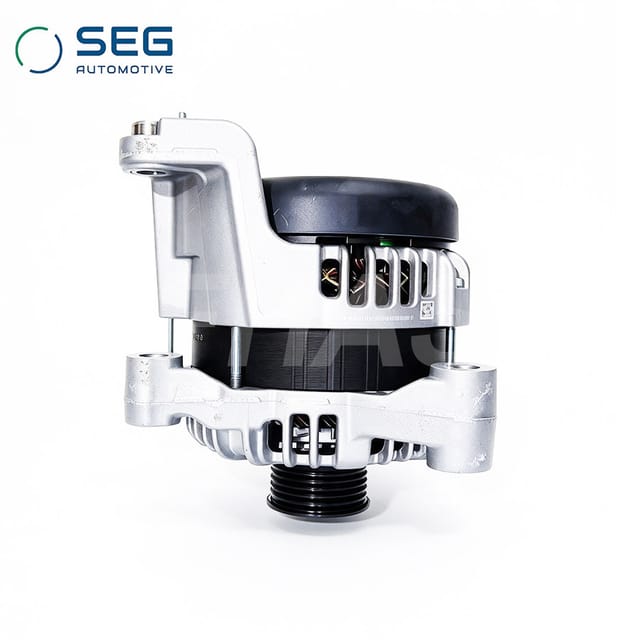 SEG Alternator 12V for BMW X1/F49 Repair (12318634228)
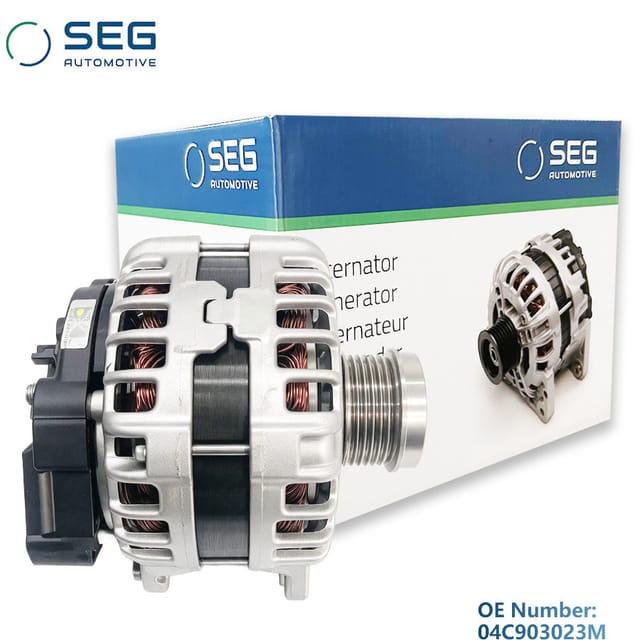 SEG Alternator 12V for Volkswagen Golf A7 1.4T Repair (04C903023M)
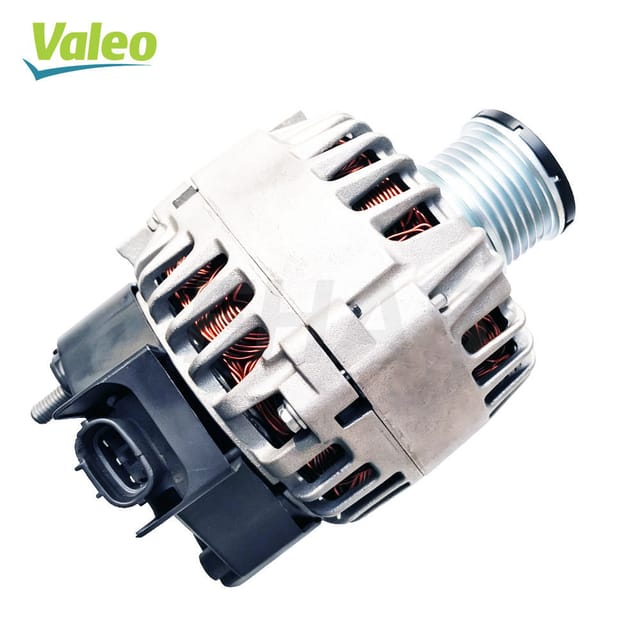 Valeo Alternator 12V 110A for Nissan Sylphy (23100-3RA2B)
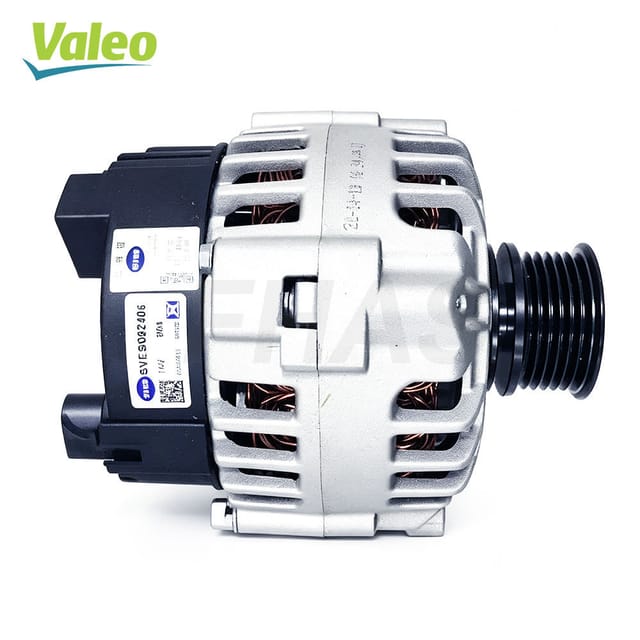 Valeo Alternator 12V 90A for VW Jetta (030903023J)
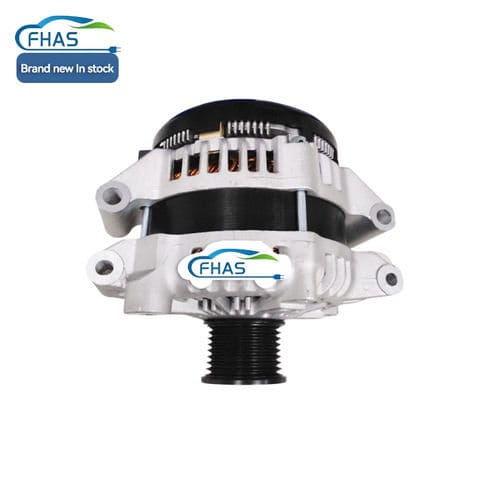 JHAEM Alternator 12V 210A for BMW 523 / 528 / X3 3.0
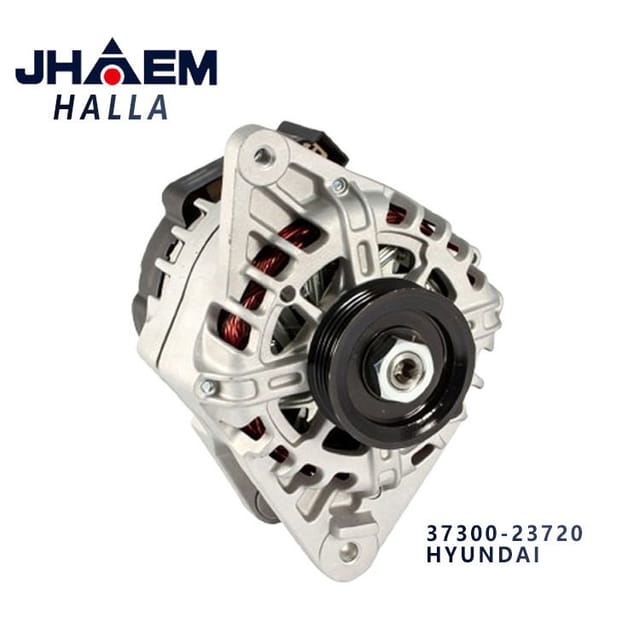 JHAEM Alternator 12V 90A for Hyundai / Kia
Have a part number to price?
Send it over with the quantity and destination. You will get a fitment check, a unit price and a freight cost — usually the same business day.