
Three distributors quote the same OE number. The prices sit within 2% of each other, and the order goes to the cheapest. That is the loop most alternator wholesalers are stuck in — and a private label is the way out of it. You do not need to develop a product from scratch: take a proven unlabelled unit, add your label, your packaging and your specification standard, and build a line that customers ask for by name.
The timing helps. The aftermarket keeps growing at a mid-single-digit rate while the average vehicle age rises, and the older the car park, the steadier the replacement demand for wear parts like alternators. The question is what role you play in that demand.
In short
A private label is not a new product. Take a proven unlabelled unit, add your label, packaging and specification standard, and stage the investment: label first, printed carton second, configuration third.
Key points
- A private label does not guarantee higher margin — it removes you from pure price comparison.
- OEM supply is consolidated; the independent aftermarket is where a label can grow.
- Five inputs must be ready before the first order, or the specification drifts in production.
- Customisation can be staged: label first, printed carton later, configuration last.
- Batch consistency, not the first shipment, decides whether the brand survives.
1. What a private label actually solves
Differentiation. Your product becomes identifiable through a range, packaging, specification and after-sales terms rather than the lowest number on a quote sheet.
Repeat purchase. Once a workshop trusts the label, it stops re-tendering every order. Price still matters; it stops being the only question.
Local positioning. You choose the numbers and configurations that match the vehicles in your market, not the assortment a factory wants to clear.
In the automobile spare parts trade the question is not whether a label can sell, but whether yours can repeat. A workshop that has fitted genuine toyota parts for fifteen years will still trial a label when the price, the paperwork and the warranty justify it — toyota brand parts carry a premium that a twelve-year-old vehicle rarely justifies.
The demand is already there. Independent workshop surveys have tracked private-label's share of parts purchases climbing into the high thirties, and a clear majority of owners now say they plan to buy more of it. Your customers are not waiting for another brand — they are waiting for a supplier who can carry one consistently.
Your buyer list is also wider than it looks: the independent parts store on the edge of town, the autoparts store that supplies three workshops, the auto parts shop with a counter and a delivery van. Each of them competes with a chain that has its own label. A private label gives them the same weapon.
2. Where the opportunity sits
The alternator market is consolidated at the top: Denso, Bosch, Valeo and Mitsubishi Electric together account for close to 80% of global supply, and they are tied into vehicle-manufacturer channels. A small distributor cannot out-brand them, and does not need to.
What the majors cannot serve is the long tail: the low-volume number, the mixed container, the label that a regional distributor wants on 200 units. Meanwhile the manufacturing centre has moved — Asia-Pacific accounts for 39.4% of the global alternator and starter market — so the supplier base that can support a private label sits in the same region as the volume.
Read the search behaviour and the gap is visible. Buyers hunting oem toyota parts, toyota genuine spare parts or genuine honda parts are working inside catalogues owned by the vehicle makers; a workshop weighing honda genuine parts against an aftermarket unit has already accepted the idea of an alternative. The same is true of a garage that fits bmw aftermarket parts, audi aftermarket parts or jeep aftermarket parts because the customer will not pay OEM prices on a ten-year-old car. The aftermarket replacement auto parts channel is where a label competes, and it stops being a price-only market once trust exists. Those buyers are the market for a label that is consistent, documented and warrantable — and they do not care whether the box carries a global brand or yours.
3. Five inputs before the first order
Bring these to the quotation stage, not to the sample stage:
- Vehicle data. Make, model, year, engine code, market version.
- OE number and cross-references. Including supersessions — the OE number and cross-reference verification is the check that stops a lookalike being shipped as a match.
- Electrical specification. Voltage and rated output at defined speed.
- Mechanical specification. Connector type and pinout, mounting points, clock position, pulley type and groove count.
- Market positioning. Which segment the label targets, and therefore which numbers belong in the first range.
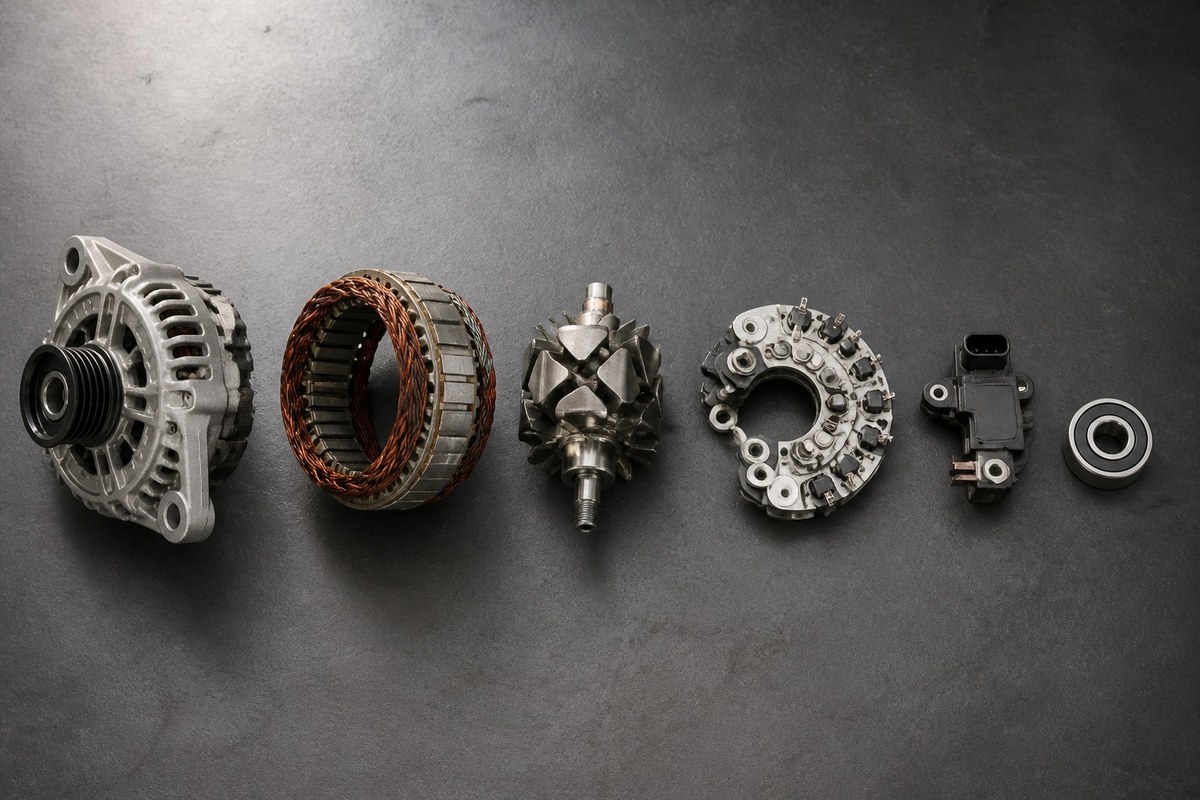
Then write the component requirements into the specification: rotor, stator, rectifier bridge, regulator and bearings, with the outgoing test standard. This is the difference between a label and a brand — the document that stops a supplier substituting parts when the order repeats.
4. Six steps from OE list to shipment
- Market selection. Pick the numbers from your own enquiry data, not from a global bestseller list.
- Matching. Confirm whether a proven unit fits, or whether a modification is needed.
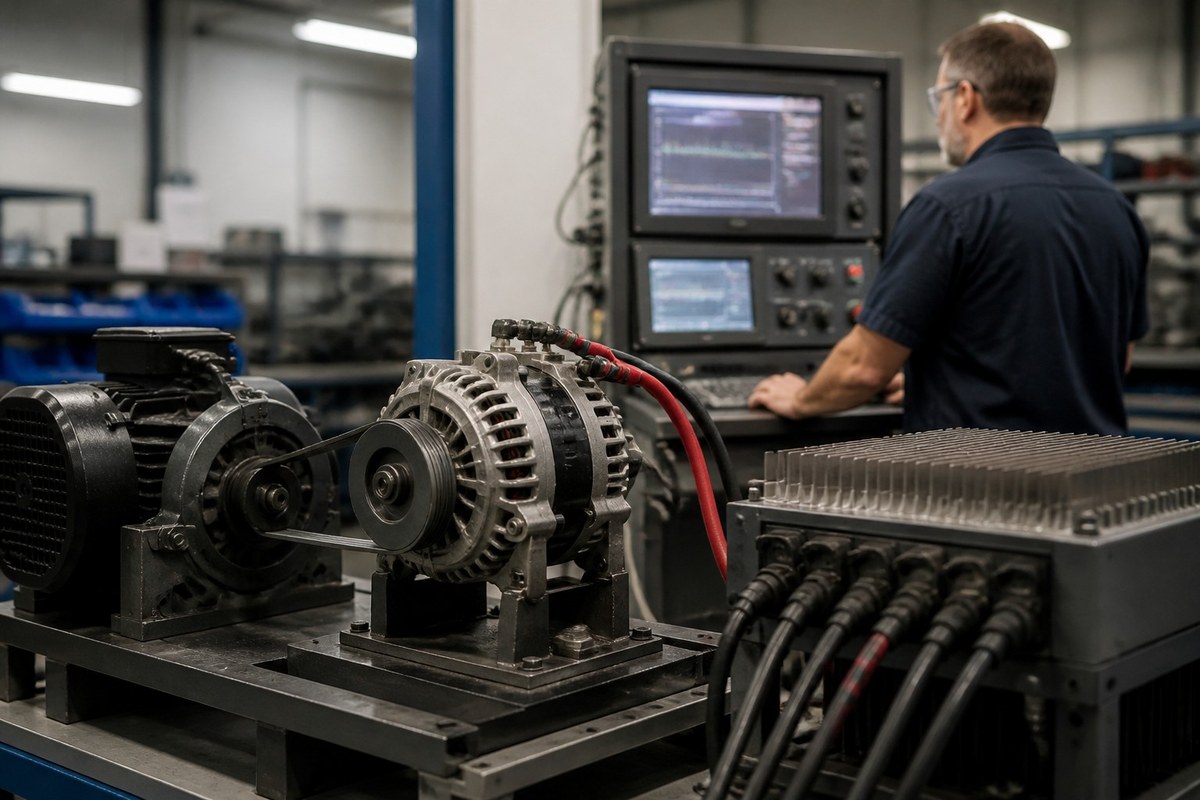
- Sample testing. Fit, output, noise, and the electrical behaviour of the specific application — the alternator quality checks before bulk purchase are what this step is for.
- Brand and packaging approval. Artwork, label content, carton, leaflet, barcode.
- Commercial confirmation. Price, MOQ, lead time, warranty, Incoterms. Run the landed cost of a private-label programme before you agree a price, not after.
- Production and outgoing inspection. AQL or agreed sampling, with records by batch.
After sample approval, keep the signed specification and a sealed sample. Those two objects settle every later argument about what "the same product" means.
5. Tiered customisation keeps the first order small
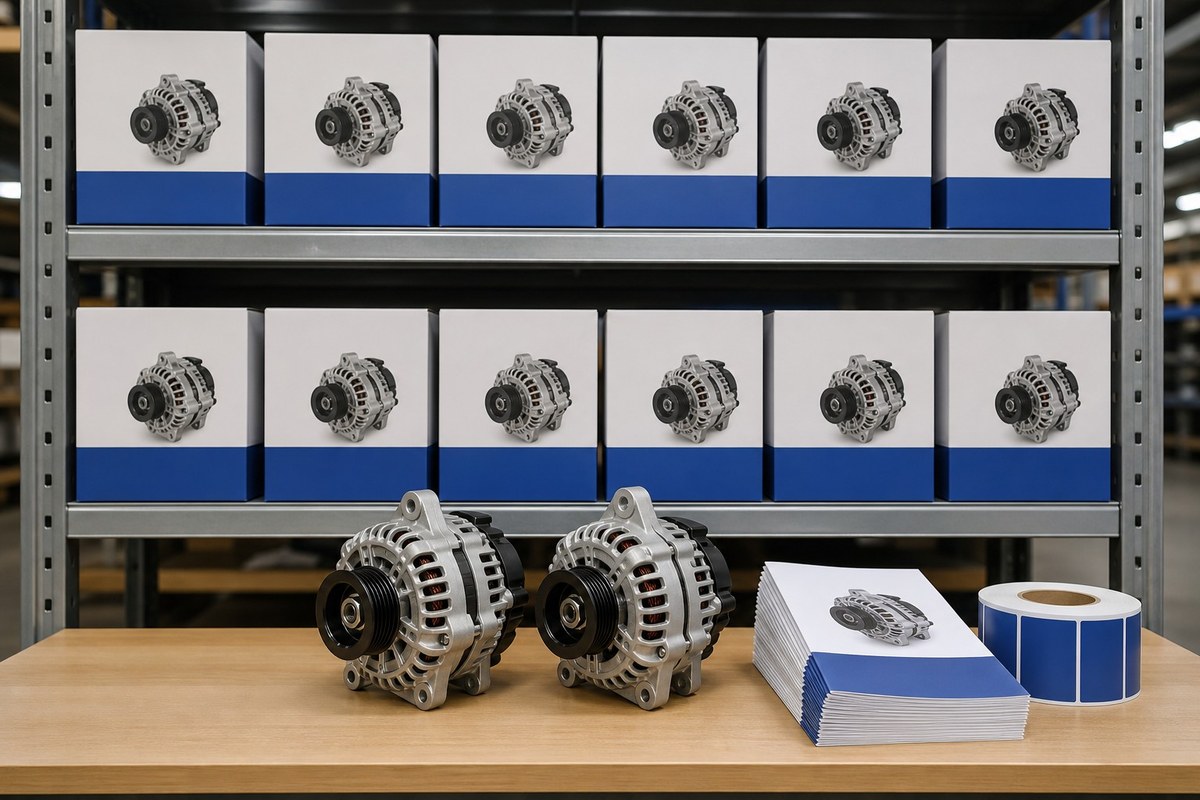
Trial stage — label only. Proven unit, your logo on a label, neutral carton. Lowest investment, fastest validation. Most custom car parts programmes should start here, and most custom auto parts catalogues are still built this way.
Growth stage — printed carton and leaflet. Here the MOQ usually comes from the printing run, not from the alternator itself. A carton printer may want 1,000 units per design; the factory may be willing to make 200.
Stable stage — configuration. For the numbers that sell steadily, specify bearing grade, regulator type or pulley variant, and turn the label into something a competitor cannot copy from a photo.
A European distributor hit exactly this wall: the carton MOQ was several times his monthly volume for a single number. The solution was staged. First shipment: label only, neutral packaging. Second: one carton design shared across several OE numbers, with only the model field changing. Third: full carton and leaflet once the volume justified it. He finished the first year without a single dead SKU, and with far less capital tied up than the original plan required.
6. Batch consistency is the brand
The failure that kills a private label is not a bad first batch. It is a quiet change on the second one.
- Keep a specification file and a sealed sample for every OE number; no key component changes without written approval.
- Test each production batch to the same standard, and keep batch records that allow traceability.
- Agree the warranty period, the claim documents and the responsibility process before the first order.
A note that saves arguments: a charging fault is not automatically an alternator fault. Battery condition, wiring and ground all change the reading. Professional after-sales starts with measurement, not attribution — the same discipline applies whether the unit carries a global brand or yours.
For the buyer, this is the whole promise of a label: the second order behaves like the first. A distributor selling car spare parts or aftermarket replacement parts on price alone can switch suppliers every season; one selling toyota replacement parts or hyundai replacement parts under a label cannot, because the label is the promise.
7. Trademark and compliance
Before production, confirm four things: that you have the right to use the logo, that the trademark is registered or licensed in your market, that every claim printed on the label is accurate, and that the product meets the certification required where it will be sold.
An unlabelled product is not a licence to print anything. A third-party trademark on your carton is a legal exposure in most markets, and a certification mark you cannot support is worse. If you are buying oem spare parts to repackage, check the terms of that supply as carefully as the artwork.
8. Choosing a supplier for a private label
Four questions decide whether the relationship can carry a brand:
- OE accuracy. Can they confirm the number from the vehicle data and the OE reference, or do they match on appearance?
- Batch stability. Are component sources fixed, and is outgoing inspection documented by batch?
- Customisation flexibility. Label, carton, leaflet, barcode, and a MOQ that fits a first order rather than a container.
- Continuity. Can they keep supplying the numbers you sell, and support a claim when one arrives?
FuZhiHui Auto Parts supplies 12V passenger-car alternators with label printing, custom packaging and flexible MOQ, and treats batch consistency and after-sales cooperation as part of the product. Whether you buy through a wholesale toyota parts programme or build a range around European platforms, the first step is the same: send the OE list and have it checked before anything is printed.
9. A worked start-up path
An illustrative case, useful because nothing in it required development. A distributor in a Middle East market with a large Japanese pickup population had been selling generic units and watching his margin erode. He picked eight high-frequency Toyota numbers — Hilux and Land Cruiser applications among them — and started with proven units plus a logo label. After about six months of steady sell-through he added cartons and leaflets. In year two he specified a different regulator and bearing grade for the high-temperature numbers and built a local reputation on that configuration.
Three stages, no engineering project, and a range that differs from competitors in ways a photo cannot show.
10. FAQ
What is the difference between private label and OEM or ODM?
Private label takes a proven product and applies your identity, packaging and specification. OEM or ODM work means development: new tooling, validation, longer timelines and a much larger commitment.
Can we print our own trademark?
Yes, with evidence of the right to use it — a registration certificate or an authorisation letter. What you cannot do is print someone else's mark.
How large should the first order be?
Sized to real sales, not to a container. Choose numbers with confirmed fitment and steady demand, and let the label prove itself before you invest in print.
Will a private label work if our customers mostly buy online?
It can, but the channel changes the evidence. Shoppers who buy auto parts online and order auto parts online compare listings side by side, so your product page has to carry what a counter conversation would: OE numbers, specifications, photographs. Distributors whose customers use an online auto parts store or a local auto parts online store still win on the same three things — fitment accuracy, stock, and a warranty they can explain. Auto parts shopping is price-led at the search stage and trust-led at the repeat stage; a label is what carries you from the first to the second.
11. Closing
A private label does not remove price competition. It gives the buyer a reason to stop shopping on price alone — a range they recognise, a specification they can check, and a second batch that matches the first.
In auto replacement parts, the winners are the lines that repeat. Replacement parts for cars is a trust business dressed as a price business: start with the OE numbers your customers already ask for, confirm the supply can repeat, then put your name on the box.
Related parts
Units from our range. Send an OE number and we will check fitment before quoting.
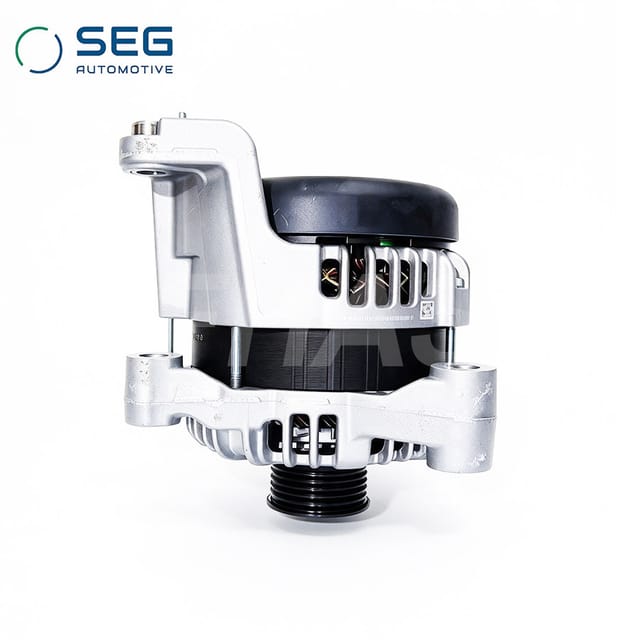 SEG Alternator 12V for BMW X1/F49 Repair (12318634228)
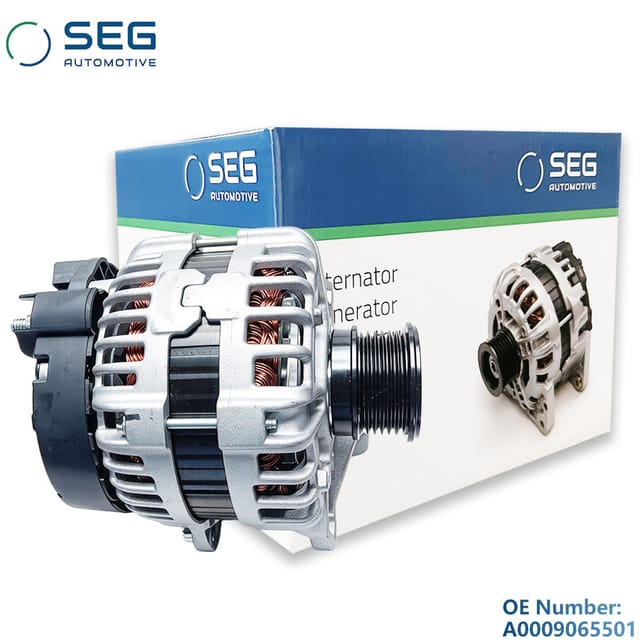 SEG Alternator 12V for Mercedes-Benz GLK 250 (A0009065501)
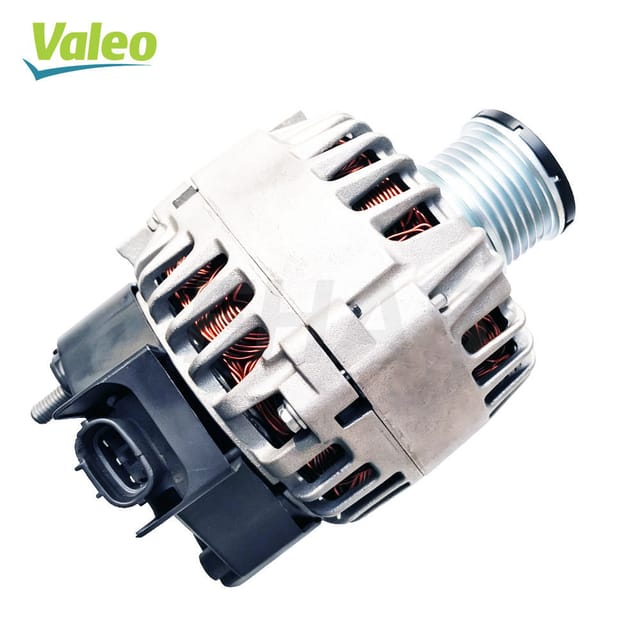 Valeo Alternator 12V 110A for Nissan Sylphy (23100-3RA2B)
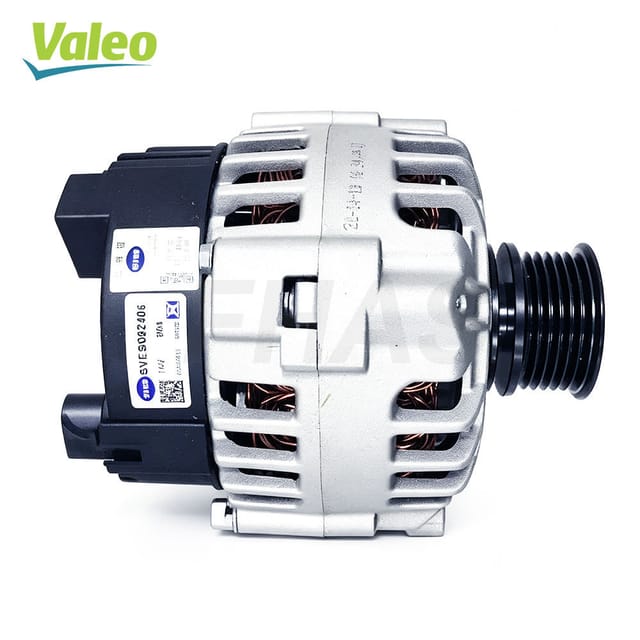 Valeo Alternator 12V 90A for VW Jetta (030903023J)
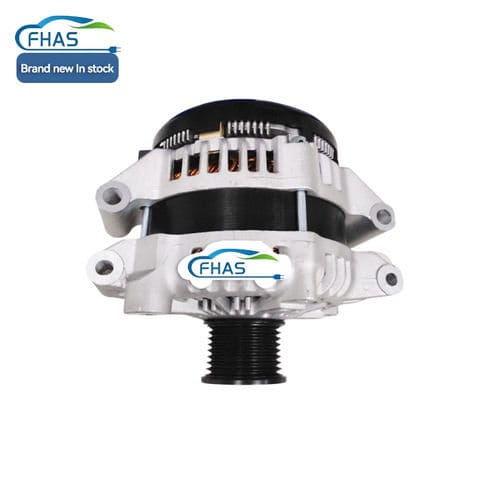 JHAEM Alternator 12V 210A for BMW 523 / 528 / X3 3.0
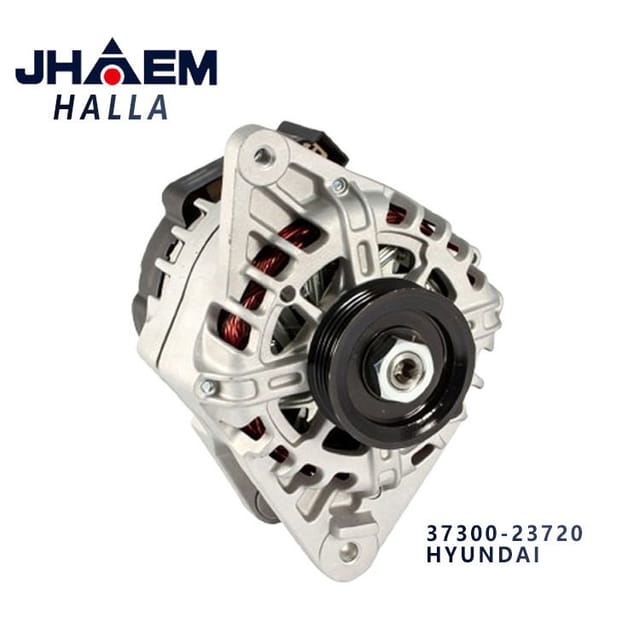 JHAEM Alternator 12V 90A for Hyundai / Kia
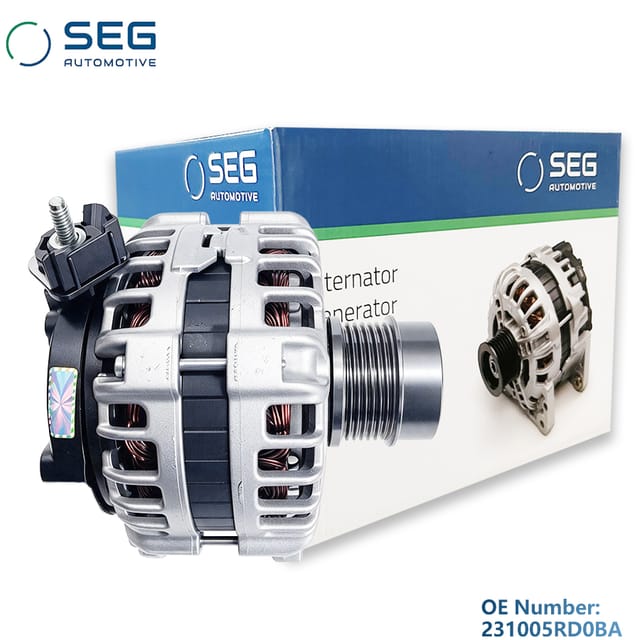 SEG Alternator 12V for Nissan Kicks 1.5 (231005RD0A)
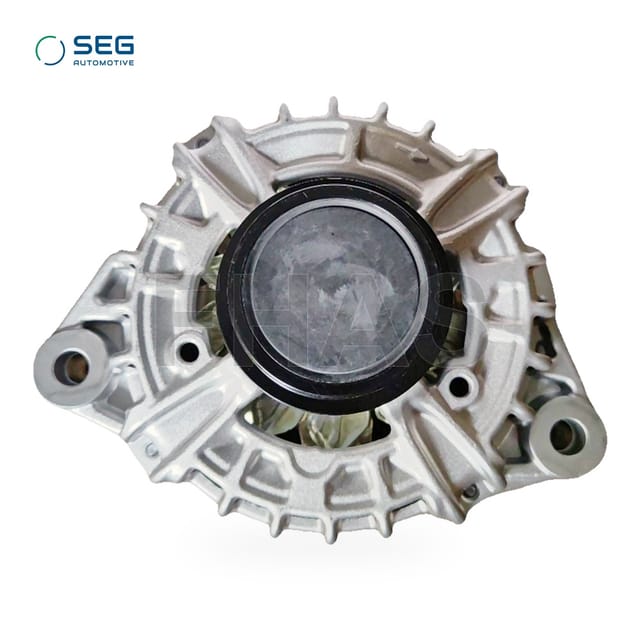 SEG Alternator 12V for Haval H9 2.0T (0125812098)
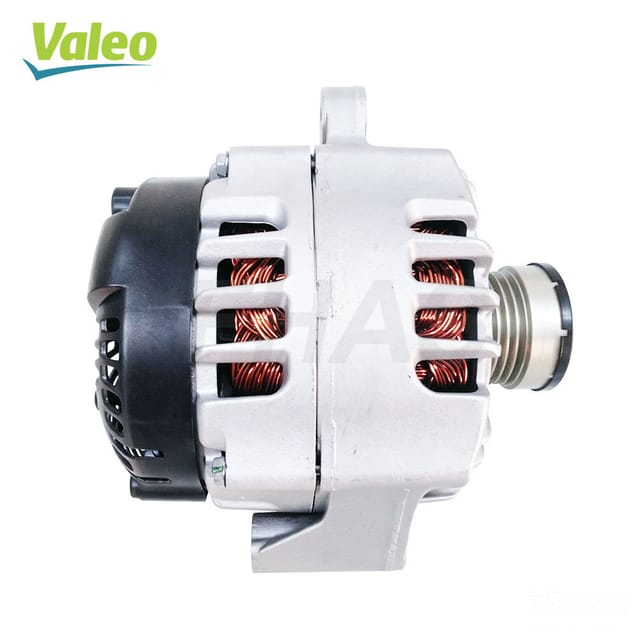 Valeo Alternator 12V 140A for Roewe W5 (TG14S030SV)
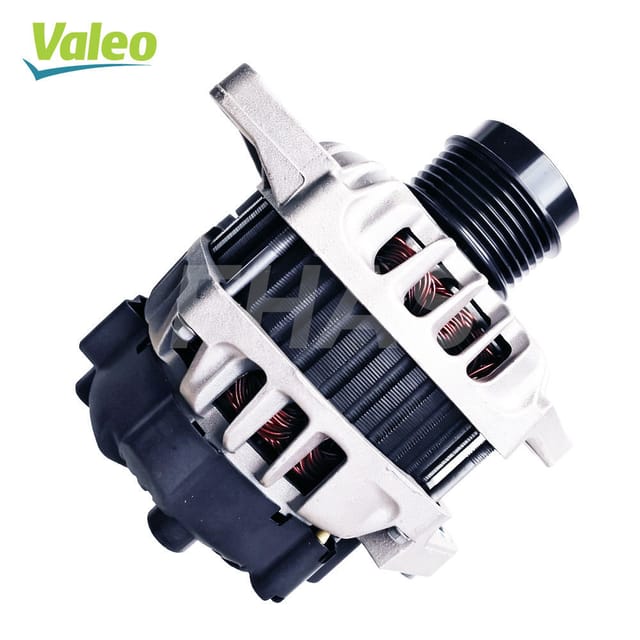 Valeo Alternator 12V for Hyundai Elantra (37300-2B520)
Have a part number to price?
Send it over with the quantity and destination. You will get a fitment check, a unit price and a freight cost — usually the same business day.