
This article is a reference explanation rather than a repair guide. It covers what the alternator does and why the charging system needs it, how it works and how it differs from the older generator it replaced, what it looks like and where it sits, how long one lasts, and what that means for you in practice. The angle is ownership: understanding the part well enough to know what it does, what it looks like when it is healthy, and what the real variables are when it is not.
In short
An alternator makes electricity from engine rotation. It supplies every electrical load while the engine runs — ignition, fuel system, lights, electronics — and recharges the battery so the car can start again. The battery stores energy and starts the car; the alternator generates it and keeps the battery full.
What the Alternator Does in the Charging System
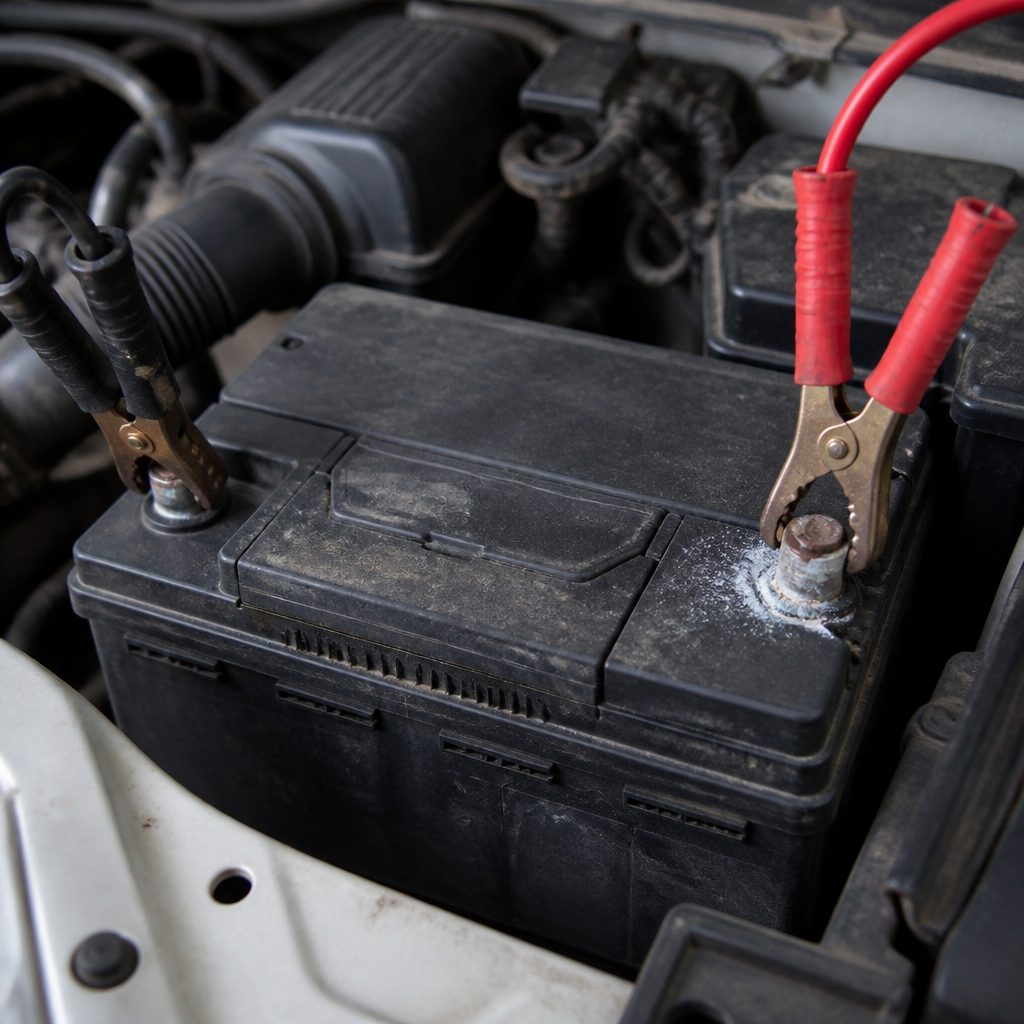
Every car carries two devices that work in opposite directions. The battery stores chemical energy and releases it in a large burst to turn the starter. The alternator uses engine rotation to generate electrical current continuously, which supplies the car's demands and returns to the battery what the starter took out. The role of alternator in one line is that it is the source: everything electrical in the car either runs on what it produces or on what the battery stored from it earlier.
That split matters because the two devices hide each other's faults. A vehicle can run for a considerable distance on stored energy alone, so a failed alternator does not stop the car immediately. It stops the car once the battery is exhausted, and the distance depends entirely on how many loads you leave switched on. This is why the alternator function is best understood as maintaining a balance: supply on one side, demand on the other, with the battery as the buffer between them.
The balance is managed by voltage. Charging happens only when the alternator's output sits above the battery's own resting voltage, so the regulator inside the unit holds output in a band high enough to push current into the battery and low enough not to boil the electrolyte. When people ask what does the alternator do in a car beyond "make electricity", this regulation is the answer — and it is the part that fails first as units age. Ask a driver what does a alternator do and the reply is usually that it keeps the battery charged, which is close enough to be useful; the fuller answer is that it also carries every load the car is drawing at that moment.
How It Works, and How It Differs From a Generator
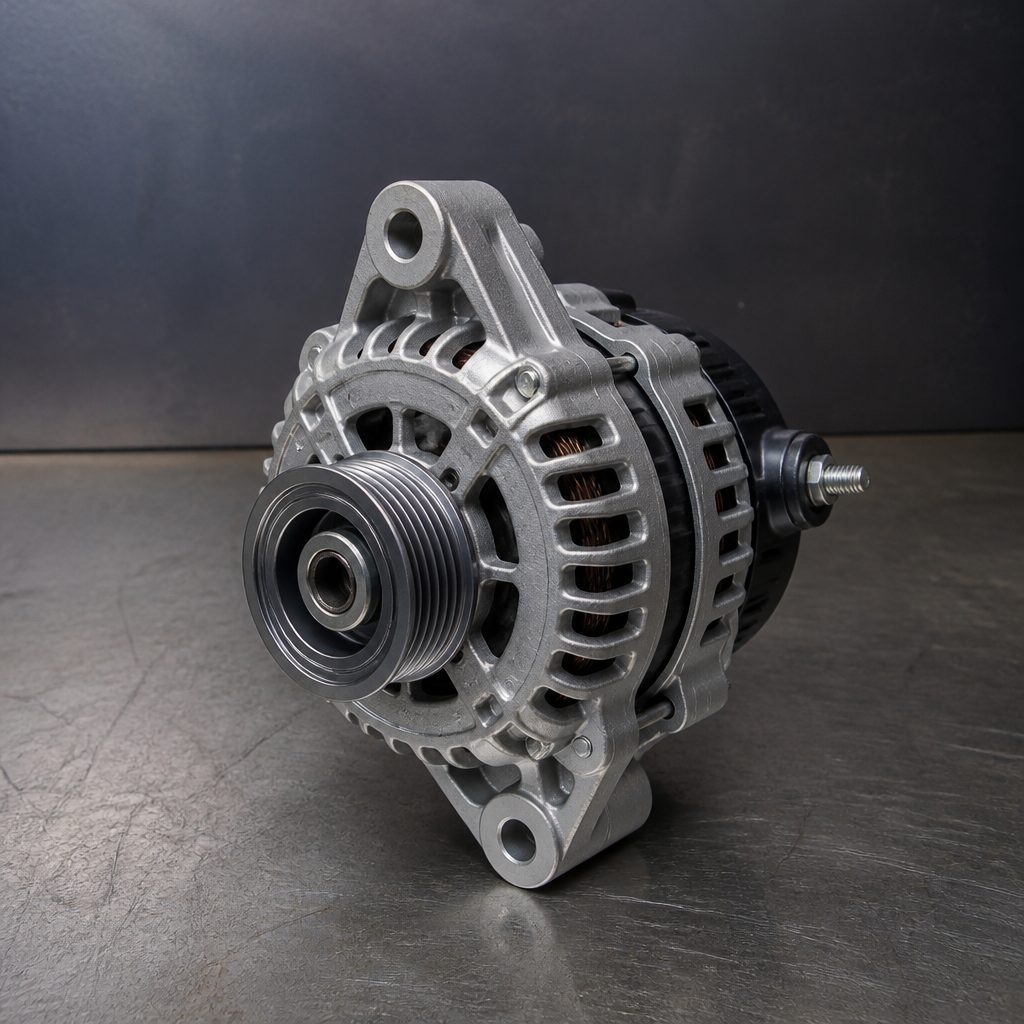
The mechanism is induction. A rotor carrying a winding spins inside a stationary stator, and the changing magnetic field induces alternating current in the stator. A rectifier converts that alternating current into the direct current the vehicle uses, and the regulator controls the rotor's field current so output stays in range. That is the whole of how do alternators work, and it explains why the unit is driven by a belt: rotation is the input, current is the output.
A generator does the same job by a different route, and the difference between alternator and generator is why one replaced the other. A generator produces direct current through a commutator and brushes, which means all the output current passes through the brushes, and it needs to turn at a reasonable speed before it produces useful current. An alternator rectifies its output instead, so the heavy current never passes through the moving contacts, and how does an alternator operate at low engine speed is fundamentally better. Put another way, the car alternator function is to hold a usable output across the whole speed range, from idle through to cruising, rather than only once the engine is turning briskly.
The practical consequence is worth stating because it shows up in daily driving. Electrical demand peaks when the engine is idling and the lights, blower, and other accessories are running, which is exactly the condition where an old direct-current generator struggled. An alternator is designed to deliver useful output precisely there, which is why a modern car can sit at a traffic light with everything switched on and still gain charge rather than lose it.
What It Looks Like and Where It Sits
If you are wondering what does an alternator look like, picture a metal housing roughly the size of a large coffee can, with a ribbed pulley on the front face and a set of vents around the body. The back carries the heavy output stud and, beside it, a multi-pin plug that carries the control and sensing connections. That plug is the part that tells you which generation of charging system the vehicle uses.
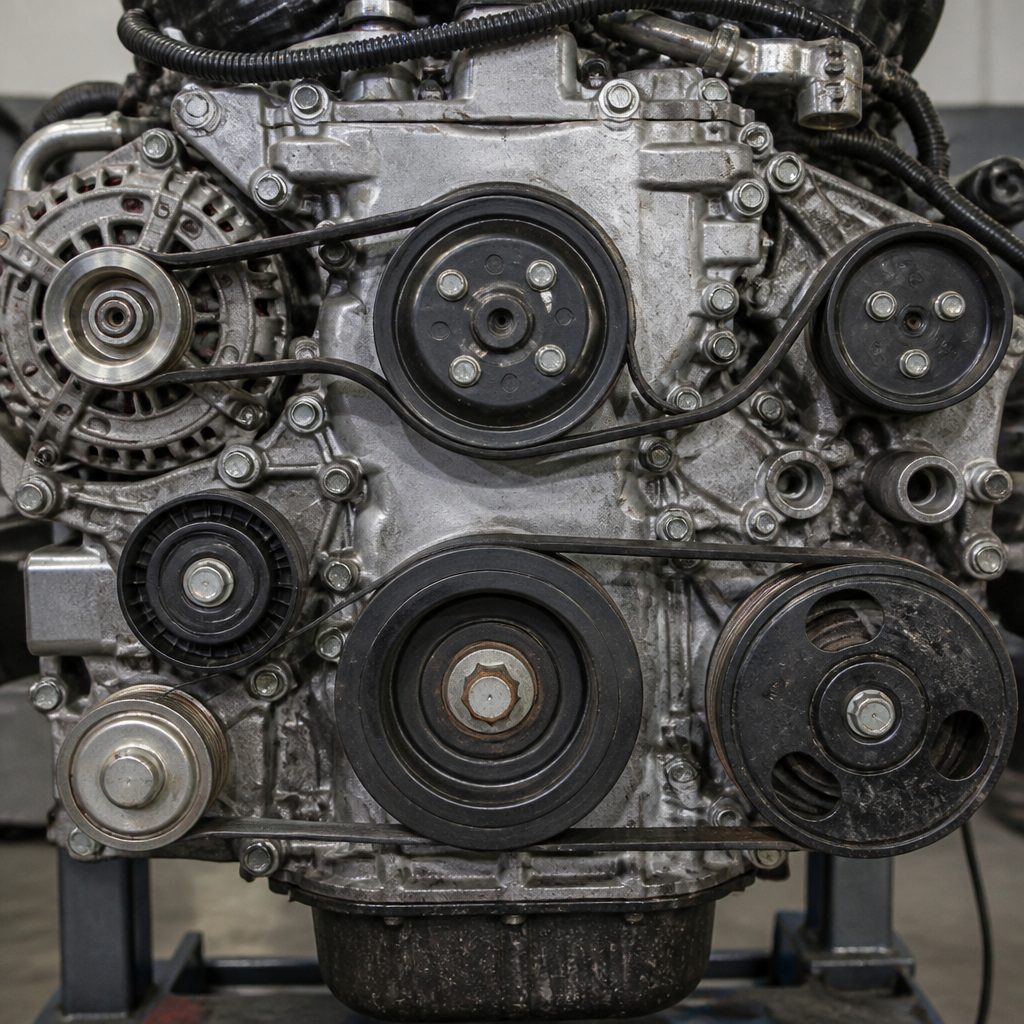
Where is the alternator located on most vehicles? It sits on the engine, bolted to a bracket and driven by the accessory belt, and on the majority of transverse-engined cars that means the front of the engine bay, facing you as you open the hood. Where is a alternator located on a longitudinal or rear-wheel-drive layout tends to be further back and lower on the side of the engine, which is why access varies so much between models even when the job is nominally the same. So the honest reply to where is the alternator in a car, without naming a model, is that it is the belt-driven unit on the side of the engine — and the specific answer for your own car is whichever location that belt run reaches.
That variation is also how you identify the part on your own car. The set of statements "what is a car alternator", "what is alternator in car" and "what is an alternator on a car" all describe the same component: the belt-driven, engine-mounted unit with a pulley and a plug. Where you cannot see it, follow the belt. Every pulley the accessory belt touches is either driving or being driven, and the alternator is the one with an electrical connector on its housing.
How Long One Lasts
There is no fixed service interval, and any single mileage figure quoted for all cars is guesswork. The lifespan of a car alternator is better treated as a description than as a number: long where the unit stays cool and lightly loaded, shorter where heat and heavy charging duty are the norm. How long do alternator last depends far more on duty and environment than on distance: heat is the main enemy, and a unit mounted low and close to exhaust heat ages faster than one with cool air around it. A vehicle that repeatedly recharges a deeply discharged battery works its alternator harder than one that never does, because the unit then runs near maximum output for long periods.
What wears is ordinary and predictable. Bearings dry out and begin to rumble. Brushes on designs that use them shorten until contact becomes intermittent. The regulator drifts out of range after years of thermal cycling. A rectifier diode eventually breaks down. None of these are dramatic events; they accumulate, which is why how long does a alternator last is better answered by watching the charging voltage trend than by watching the odometer.
The related question of how long fitting takes follows the same logic. There is no useful general figure, because the time is set by access rather than by the part. A unit at the front of the engine bay with a short belt run can be reached directly; a unit buried behind other components cannot. Where you need a number, ask for the book time for your specific vehicle and engine, because how long does it take to fit an alternator varies by several hours across models that share a badge.
What Owning One Means in Practice
Thinking of the alternator as a consumable with a duty cycle is more useful than thinking of it as a fit-and-forget part. If you want a working definition, what is a alternator is simply this: an engine-driven generator with an integrated regulator, sized for the electrical load the vehicle was built to carry. What is the alternator in a car responsible for is easy to state in a sentence — voltage stability, battery recharge, and keeping the engine's own electronics alive while the car runs. What does the alternator in a car do while you are actually driving, in the plainest terms? It holds the electrical system at a workable voltage, replaces what each start took out of the battery, and absorbs the surges created whenever a load switches on or off.
That definition explains the limits of the part. If you add electrical load the vehicle was never designed for, what does alternator do in car terms is unchanged, but the margin disappears, especially at idle. If you ask what does an alternator do on a car that is driven mostly in short trips, the answer is that it never gets enough running time to replace what each start consumes, and the battery suffers for it.
So the honest summary for an owner is this: what's an alternator worth knowing about? It is the part that decides whether your battery is being kept full, and it is the part that fails quietly rather than dramatically. Watch the charging voltage under load, keep the belt and its tensioner in good condition, and the unit will generally outlast several batteries. Where exact limits matter — brush wear, bearing play, regulator drift — the figures are manufacturer-specific, and the service data for that vehicle is the authority rather than a general rule.
Our stock covers OE-matched alternators from Valeo, SEG, and Halla through official channels, with pure copper windings and OEM specification, listed by amperage rating and pulley type so the part matches what came off the engine.
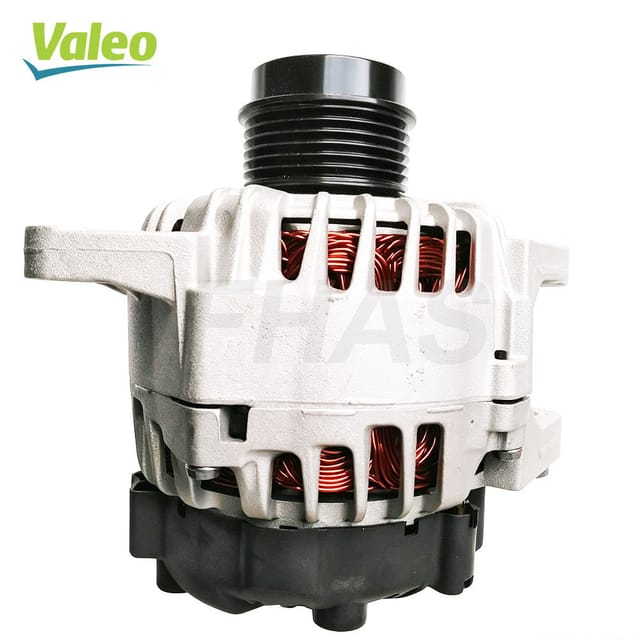
Valeo Alternator 12V 120A for Hyundai ix35 (37300-2B860)
- OE / cross-reference: 37300-2B860 · 442280
- Valeo brand line
- New condition · inspected before dispatch
PriceUS$107.99-112.99
Minimum order 2 pieces
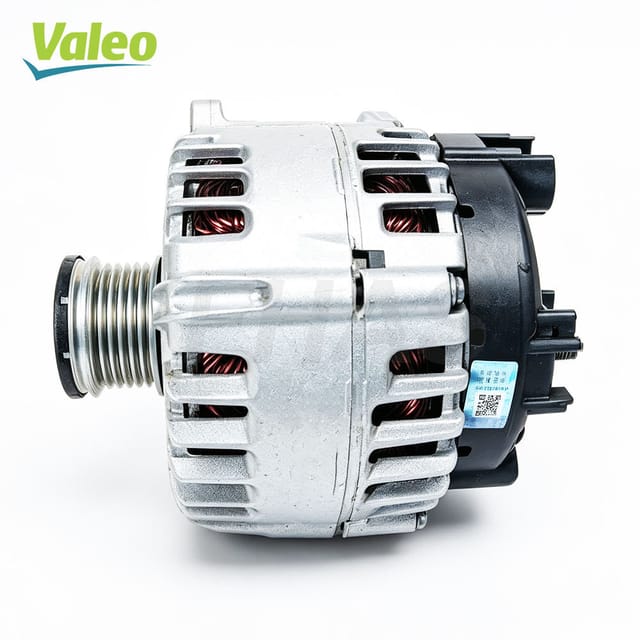
Valeo Alternator 12V 140A for Volkswagen Octavia (04E903023C)
- OE / cross-reference: 04E903023C · 04C903023C · 04E903024Q · F000BL08C8 · 115916 · 116193 · CAL10549 · CAL10549AS · 8EL012241201 · 04C903021A · 04C903021AX · 04C903023K · 04C903023KV · 04C903023KX · 04C903023LV · 439975 · 440475 · TG14C046 · TG14C049 · TG14C071 · TG14C083 · TG14C094 · TG14C103
- Valeo brand line
- New condition · inspected before dispatch
PriceUS$96.99-104.99
Minimum order 2 pieces
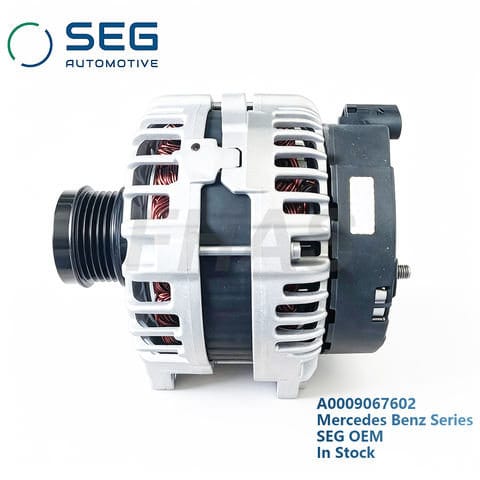
SEG Alternator 12V for Mercedes-Benz B200 W246
- SEG brand line
- New condition · inspected before dispatch
PriceUS$137.99–145
Minimum order 1 piece
FAQ
Does the alternator charge the battery all the time?
Effectively yes while the engine runs, but not at a constant rate. The regulator tapers output as the battery fills, and on computer-managed systems the target voltage changes with battery temperature and state of charge.
Can I drive with a failed alternator?
Only as far as the battery alone carries you, with the fewest accessories running. The engine will stop once voltage falls far enough to defeat the ignition, and every switch you leave on shortens that distance.
Why does the alternator matter more in winter?
Cold reduces what a battery can deliver and increases what it takes to crank the engine, while lights and defrosters add continuous load. A marginal unit that coped in summer often shows itself on the first hard frost.
Is a car generator the same as an alternator?
They do the same job by different means. A generator produces direct current through a commutator and brushes; an alternator produces alternating current and rectifies it, which is why it performs better at low engine speed.
How can I tell if my alternator is healthy?
Read the charging voltage under load with the engine running and accessories switched on. A figure that holds in the normal band means the system is supplying demand; a figure that sags toward resting voltage means it is not.
Does a bigger alternator last longer?
Not automatically. A higher-output unit generates more heat in the same housing, so if it is mounted where cooling is poor, the extra output can shorten its life rather than extend it. Over years of use, the lifespan of car alternator tracks heat and duty far more closely than it tracks the figure printed on the housing.
Related parts
Units from our range. Send an OE number and we will check fitment before quoting.
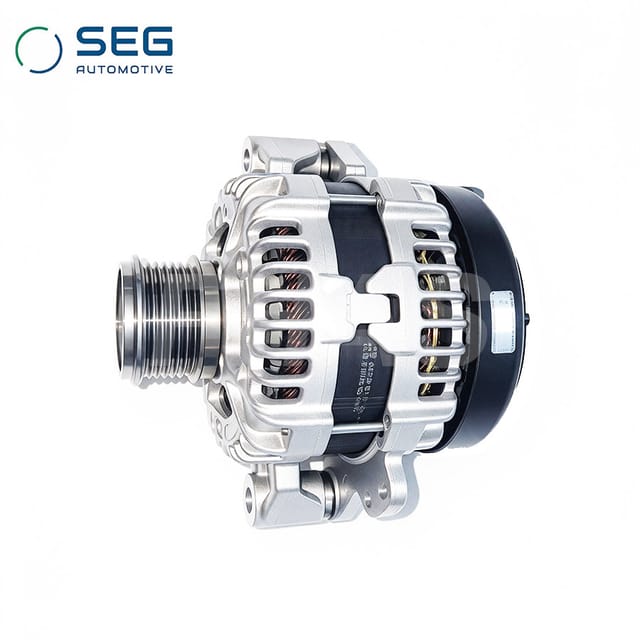 3701100XEC83 SEG Car Alternator 12V 0126312217 0126312218 for GWM Tank 300 Alternator
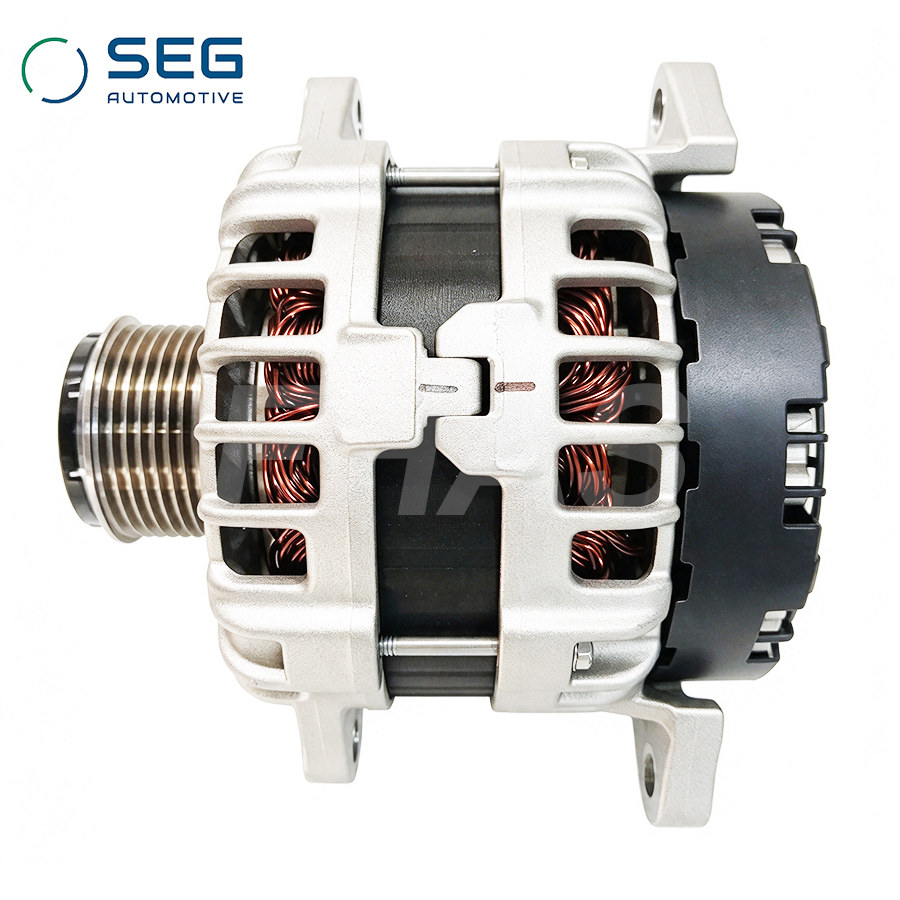 SEG Alternator 12V for Dongfeng Yufeng 3.0 Repair (23100-A084A)
 Valeo Alternator 48V for Nissan / Venucia (23100-2GM0A)
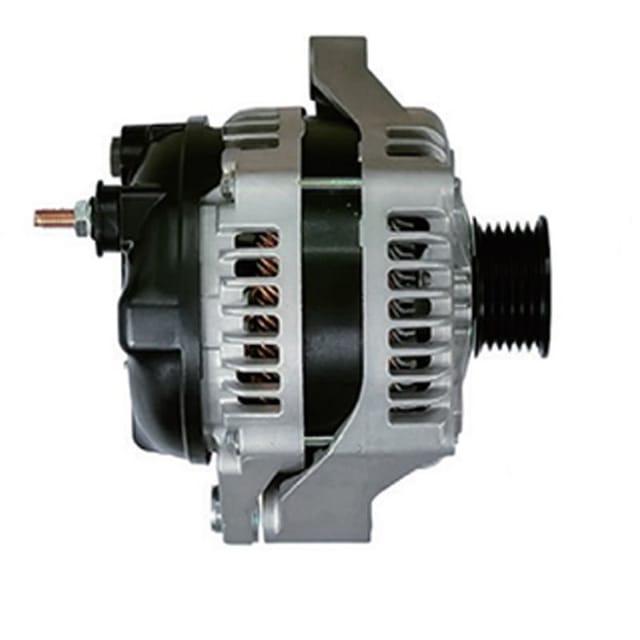 Alternator 12V 150A for Maserati 4.2 / 4.7 (104210-3960)
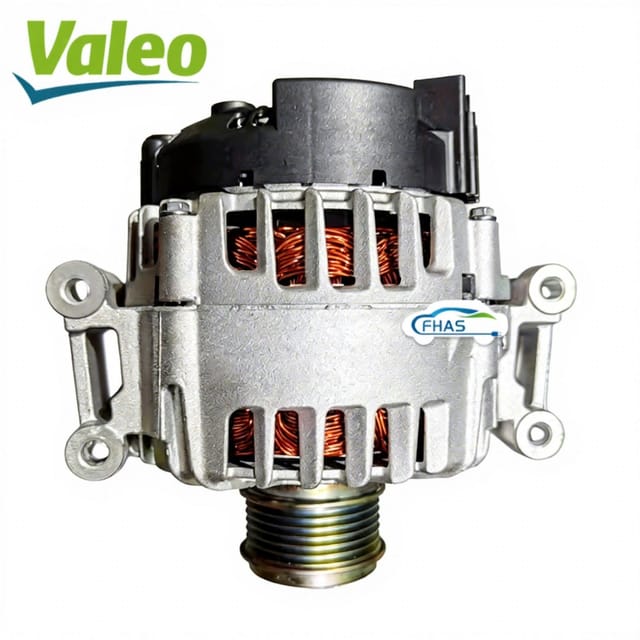 Valeo Alternator 12V for VW Passat (06J903023B)
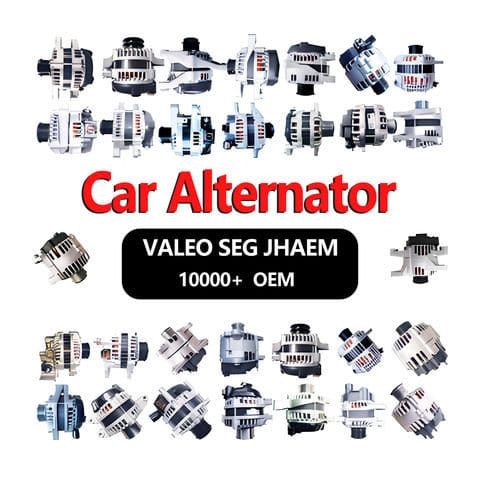 Alternators 12V / 48V — Valeo, SEG and JHAEM Lines
Have a part number to price?
Send it over with the quantity and destination. You will get a fitment check, a unit price and a freight cost — usually the same business day.