
When a starter motor begins to fail, vehicle owners often face an important question: Should the starter be repaired or replaced?
Introduction
The answer depends on the type of failure, repair cost, and overall condition of the unit. This guide explains when repair is practical and when replacement is the better long-term solution.
Repairable Starter Motor Problems
Many starter failures can be repaired at relatively low cost.
Worn Carbon Brushes
Carbon brushes are wear items and commonly require replacement.
Benefits of brush replacement:
- Restores electrical contact
- Improves cranking performance
- Extends starter life
Dirty or Burned Solenoid Contacts
Starter solenoid contacts can become worn due to repeated high-current switching.
Typical symptoms:
Replacing the contacts often restores normal operation.
- Clicking noise
- Intermittent starting
- Delayed engagement
Commutator Cleaning
Over time, carbon dust and oxidation build up on the commutator surface.
Cleaning and resurfacing can improve conductivity and reduce electrical resistance.
Problems That Usually Require Replacement
Overrunning Clutch Failure
The overrunning clutch transfers torque from the starter to the engine.
When worn:
Replacement of the clutch or complete starter assembly is usually recommended.
- Starter spins freely
- Engine does not crank
Armature or Field Coil Damage
Electrical failures inside the motor can include:
These repairs are often costly and may not provide long-term reliability.
- Short circuits
- Open circuits
- Burned windings
Severe Bearing Failure
When bearings wear excessively:
In these cases, replacing the complete starter motor is typically the most economical option.
- Armature misalignment occurs
- Internal housing damage may develop
- Metal-to-metal contact increases
Factors to Consider Before Repairing
Vehicle Age
For older vehicles with high mileage, replacing the entire starter assembly may reduce future maintenance costs.
Parts Availability
Repair may not be practical if:
- Genuine components are unavailable
- Internal parts are discontinued
- Labor costs exceed replacement costs
Reliability Requirements
Commercial vehicles, fleet vehicles, and long-distance drivers often benefit from complete replacement to minimize downtime.
Preventive Maintenance Tips
Avoid Extended Cranking
Do not crank the engine continuously for more than 5 seconds.
Allow the starter to cool before attempting another start.
Maintain Battery Health
A weak battery increases starter load and accelerates wear.
Regularly inspect:
- Battery voltage
- Charging system performance
- Terminal condition
Check Ground Connections
Poor grounding can mimic starter failure and reduce cranking efficiency.
Inspect engine-to-chassis ground straps periodically.
Keep the Starter Clean
Carbon dust accumulation can cause electrical leakage and poor performance.
Periodic inspection helps prevent internal contamination.
Signs It's Time for a New Starter Motor
Consider replacing the starter motor if you notice:
- Frequent starting failures
- Severe grinding noises
- Burned windings
- Repeated repairs within a short period
- Mileage exceeding 100,000 km with significant internal wear
Conclusion
Minor issues such as worn brushes, dirty commutators, or damaged solenoid contacts can often be repaired successfully. However, severe mechanical or electrical damage typically makes replacement the more reliable and cost-effective choice.
Choosing the correct repair strategy not only restores starting performance but also helps avoid unexpected breakdowns and costly future repairs.
Related parts
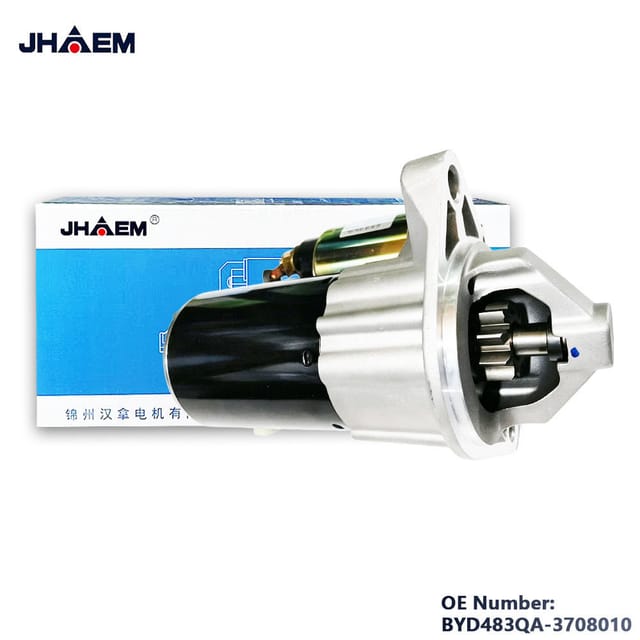
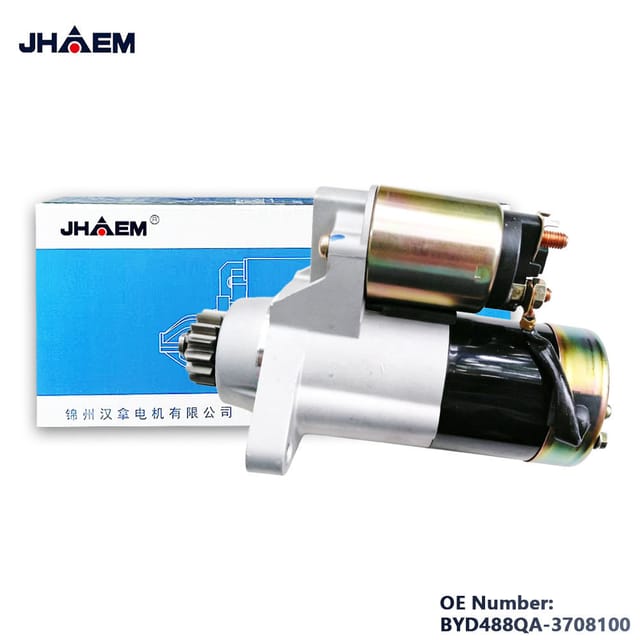
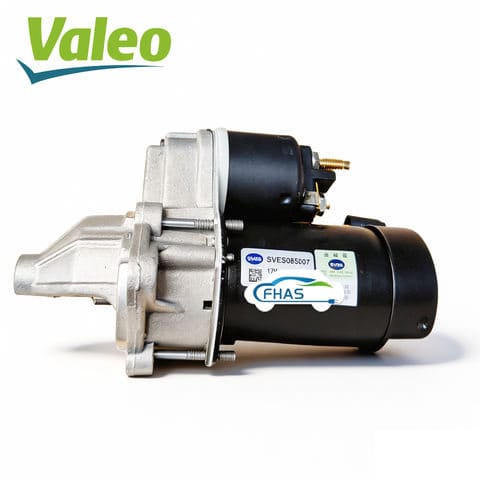
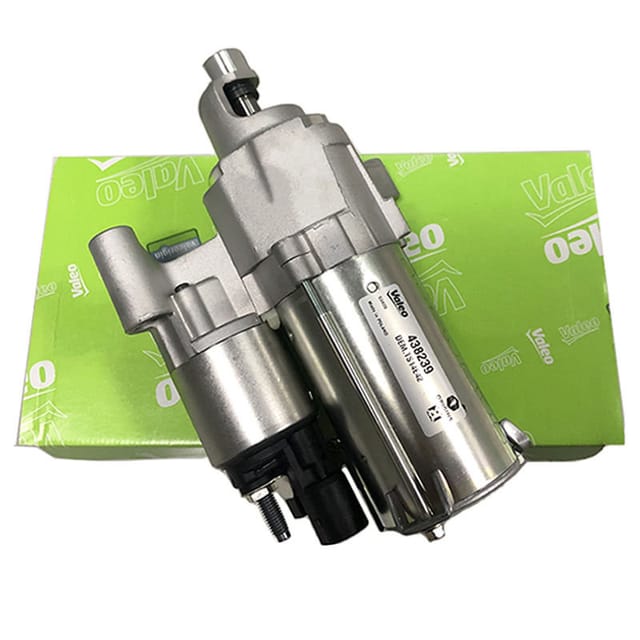
Units from our range. Send an OE number and we will check fitment before quoting.
Have a part number to price?
Send it over with the quantity and destination. You will get a fitment check, a unit price and a freight cost — usually the same business day.