
Freight is not billed on how heavy your goods are. It is billed on the greater of actual weight and the space they occupy — which means an oversized carton costs money even when it is empty.
Two weights, one charge
Carriers measure both the physical weight of the consignment and its volume, converting volume into a notional "volumetric" weight. Whichever is greater becomes the chargeable weight.
Light, bulky goods therefore pay for air. A carton that is 30% larger than it needs to be is billed as though it carried 30% more product.
Where the waste comes from
Most of it comes from standardising cartons. A supplier who packs everything into one size of box will ship a compressor in a carton built for an alternator, and the buyer pays for the gap.
- Cartons sized per part rather than per warehouse convenience
- Inner packing that fills void space instead of leaving it empty
- Consolidation that groups by density, not just by destination
The practical takeaway
When you compare quotations, compare the freight line as well as the unit price, and ask what the chargeable weight is. Two quotes for the same parts can differ by more in freight than in goods.
Related parts
Units from our range. Send an OE number and we will check fitment before quoting.
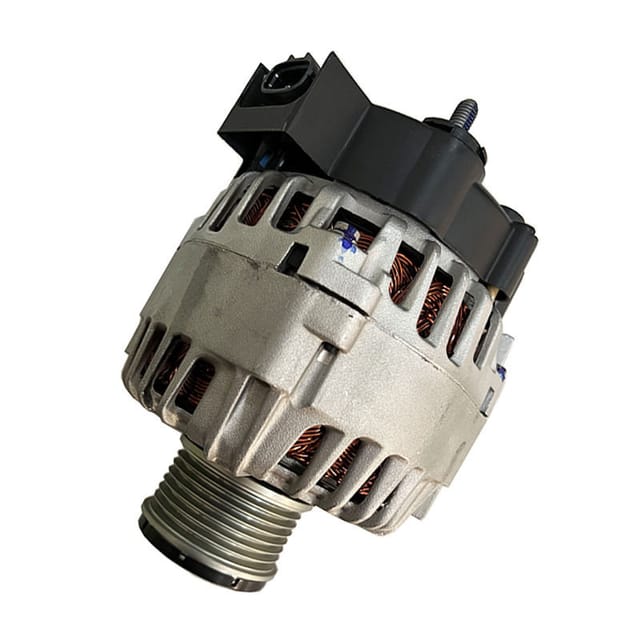 Alternator for Nissan Bluebird / Tiida / Sylphy 1.6 (FG12T101)
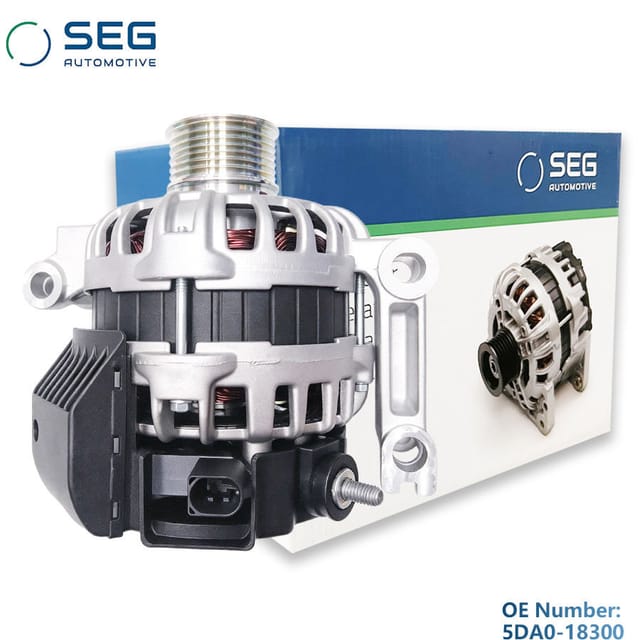 SEG Alternator 12V for FAW Besturn X80 (5DA0-18300)
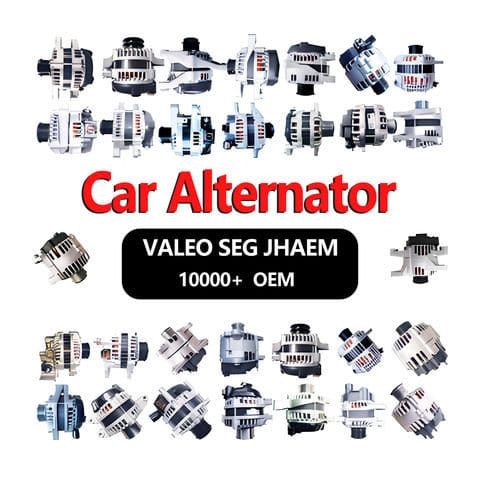 Alternators 12V / 48V — Valeo, SEG and JHAEM Lines
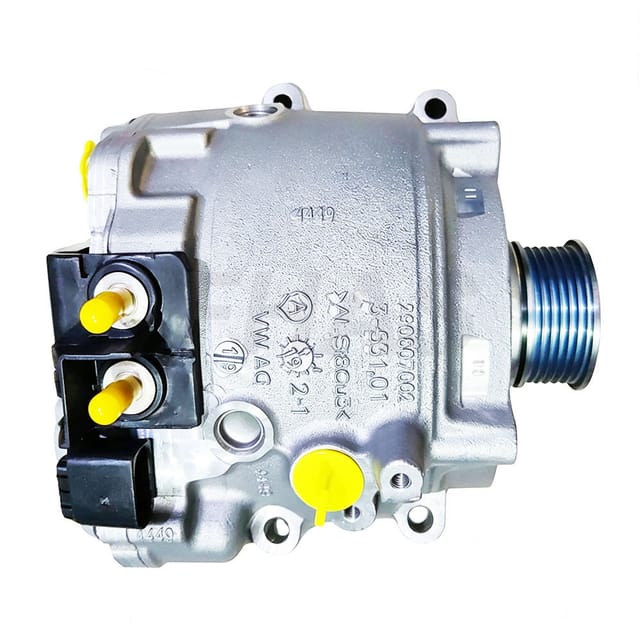 Continental Alternator 48V for Audi A6 / A7 / A8 / Q7 / Q8 Diesel — 4N0903028M
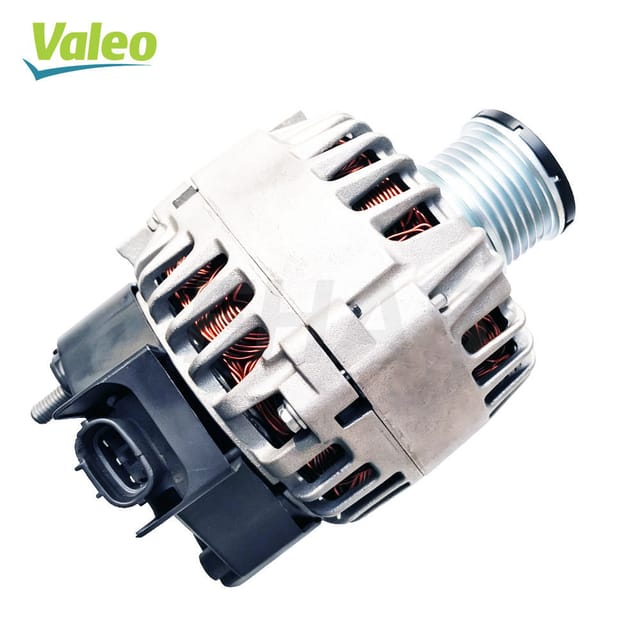 Valeo Alternator 12V 110A for Nissan Sylphy (23100-3RA2B)
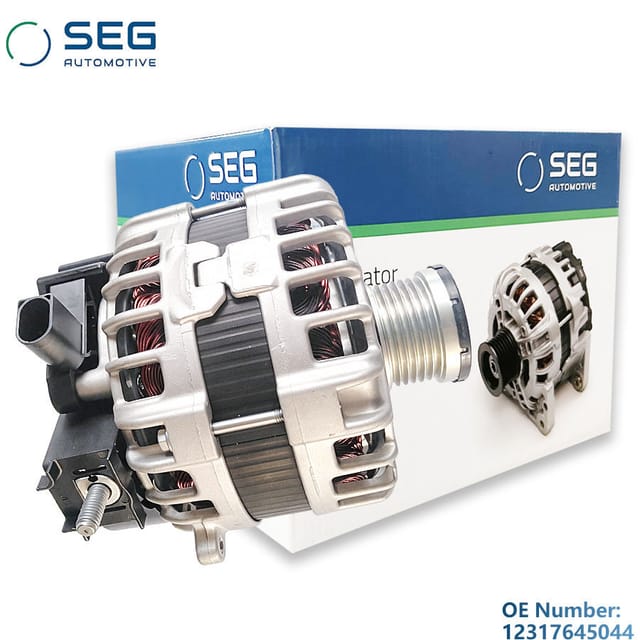 SEG Alternator 12V 180A for BMW 3 Series (12317645044)
Have a part number to price?
Send it over with the quantity and destination. You will get a fitment check, a unit price and a freight cost — usually the same business day.